
10 Best DevOps & Monitoring Dashboard Templates 2026
DevOps teams live in dashboards. Whether you’re monitoring server uptime, tracking CI/CD pipelines, or debugging production incidents at 3am, the right monitoring dashboard is the difference between a quick fix and a long night.
We evaluated the best open-source DevOps and monitoring dashboard tools available in 2026, from massive platforms like Grafana (73k stars) to focused tools like Uptime Kuma (84k stars). Every entry is self-hostable, actively maintained, and battle-tested in production environments.
Quick Picks
- Best overall monitoring: Grafana — 73k stars, connects to 100+ data sources, industry standard
- Best zero-config monitoring: Netdata — 76k stars, real-time metrics with zero configuration
- Best uptime monitoring: Uptime Kuma — 84k stars, beautiful self-hosted alternative to Uptime Robot
- Best Datadog alternative: SigNoz — 26k stars, unified logs/metrics/traces on OpenTelemetry
- Best status page: Cachet — 14k stars, self-hosted Statuspage.io alternative
1. Uptime Kuma
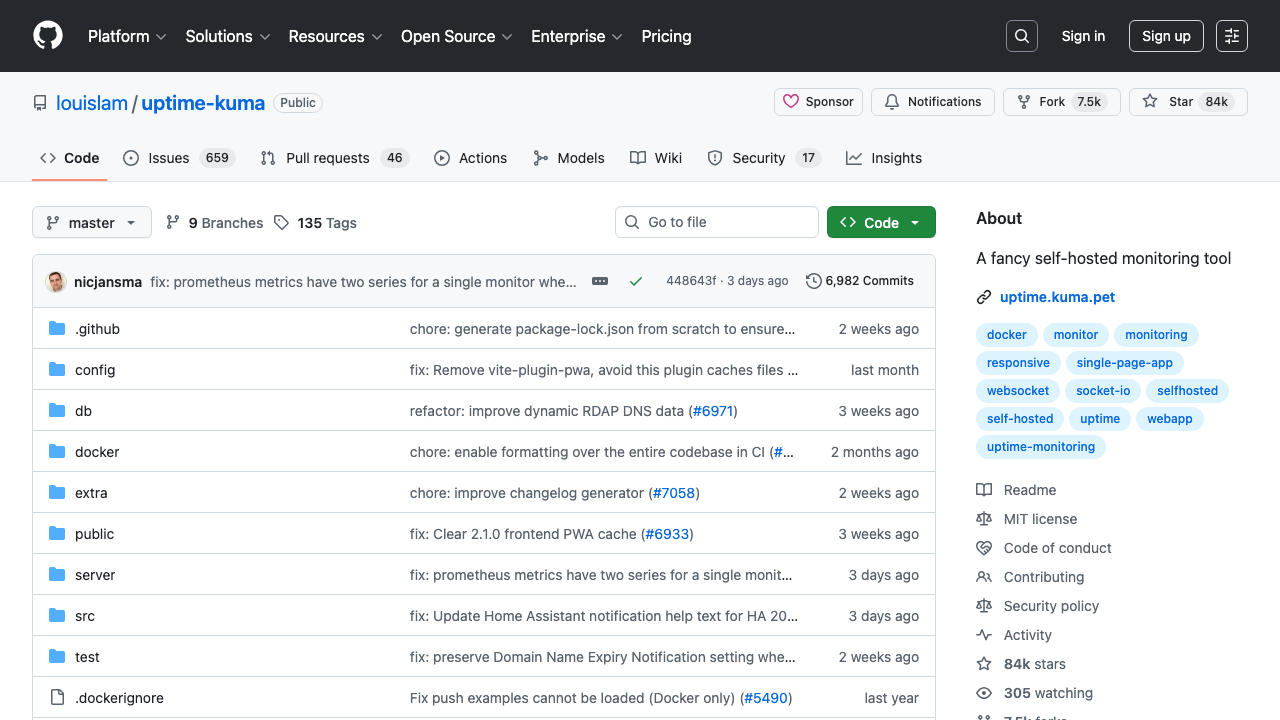
Why we like it: With 84k GitHub stars, Uptime Kuma is the most popular self-hosted monitoring tool on GitHub. The clean, modern UI monitors HTTP(s), TCP, Ping, DNS, Docker containers, and more, with 90+ notification integrations (Telegram, Discord, Slack, Email).
Uptime Kuma provides a dashboard showing all your monitored services with real-time status indicators, response time graphs, and uptime percentages. The built-in status page feature lets you create public-facing pages showing your service health — no separate status page tool needed.
Deploy with a single Docker command: docker run -d -p 3001:3001 louislam/uptime-kuma. Add monitors through the web UI, configure notifications, and you’re live in minutes.
2. Netdata
Why we like it: Install Netdata and it immediately starts collecting thousands of metrics per second — CPU, memory, disk, network, applications, containers — with zero configuration. Uses less than 1% CPU and includes built-in ML anomaly detection.
Netdata’s agent auto-discovers running services (MySQL, Nginx, Docker, etc.) and starts collecting metrics immediately. The web dashboard provides interactive, per-second granularity charts that are surprisingly fast to navigate even on modest hardware. The cloud option at app.netdata.cloud aggregates metrics from multiple nodes into a unified view.
At 76k stars, Netdata has one of the largest open-source monitoring communities. The recent addition of ML-based anomaly detection means the dashboard can highlight unusual patterns before they become incidents.
3. Grafana
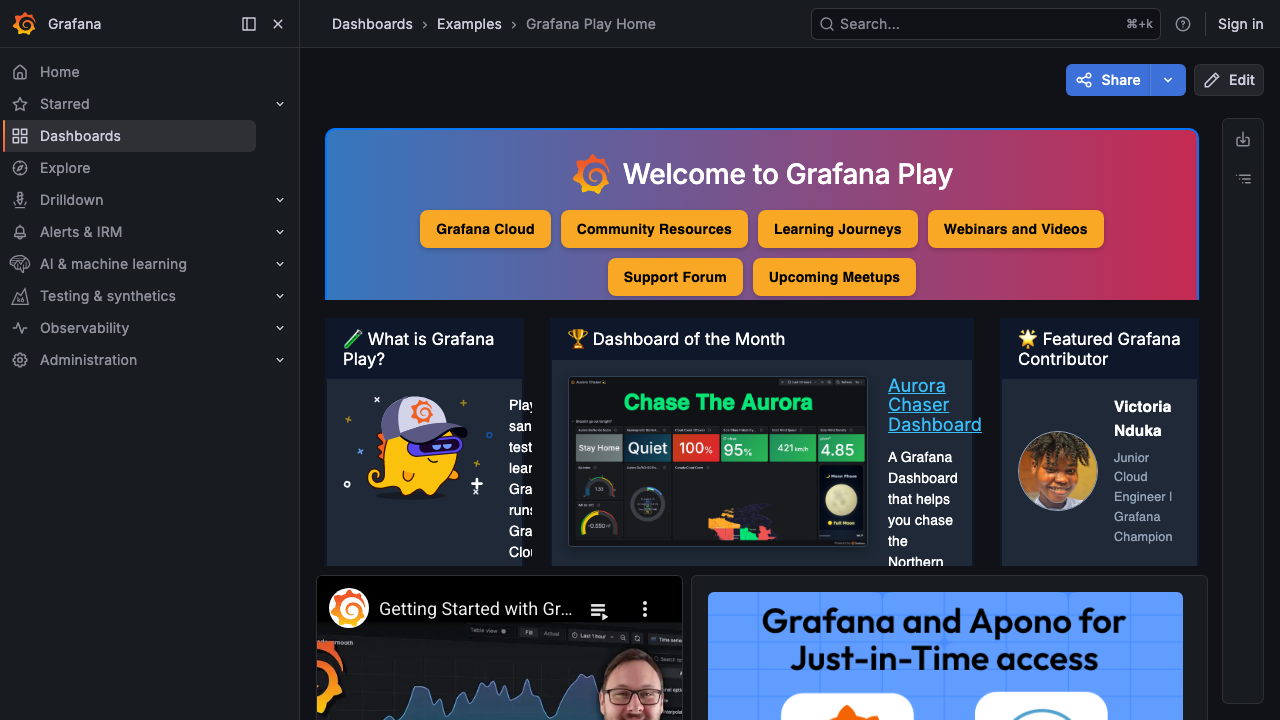
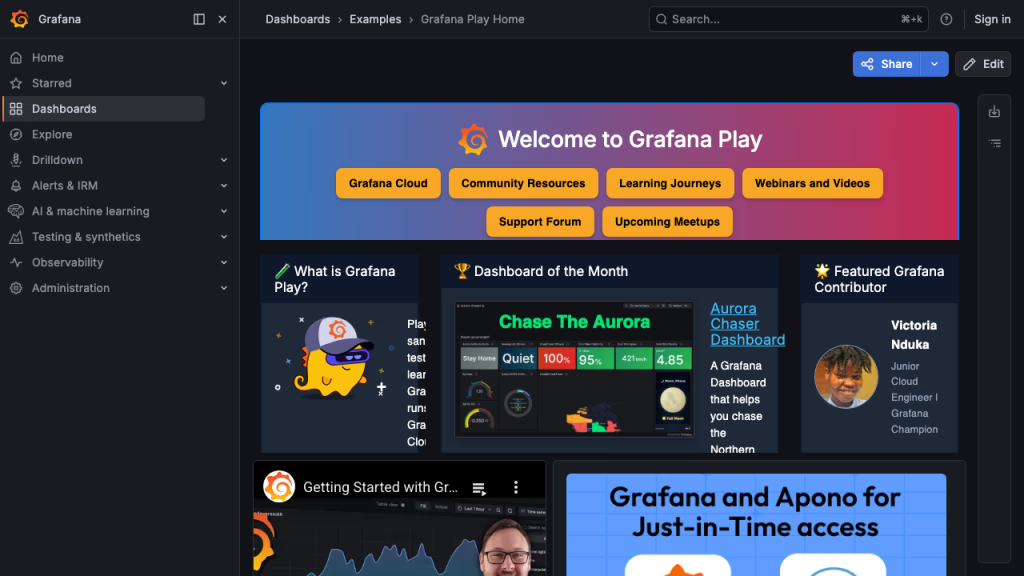
Why we like it: Grafana is the industry standard for monitoring visualization. Connect it to Prometheus, Loki, Elasticsearch, InfluxDB, PostgreSQL, or 100+ other data sources, and build dashboards with the most powerful visualization editor available.
At 73k stars, Grafana is the platform most DevOps teams already know. The real power is in its flexibility — you can visualize anything from infrastructure metrics to business KPIs, from healthcare monitoring to financial reporting, set up alerts based on complex queries, and share dashboards across teams. The community has published thousands of pre-built dashboards you can import.
The Grafana Play sandbox at play.grafana.org lets you explore real dashboards without installing anything. For production, pair Grafana with Prometheus for metrics and Loki for logs to build a complete observability stack.
4. Portainer
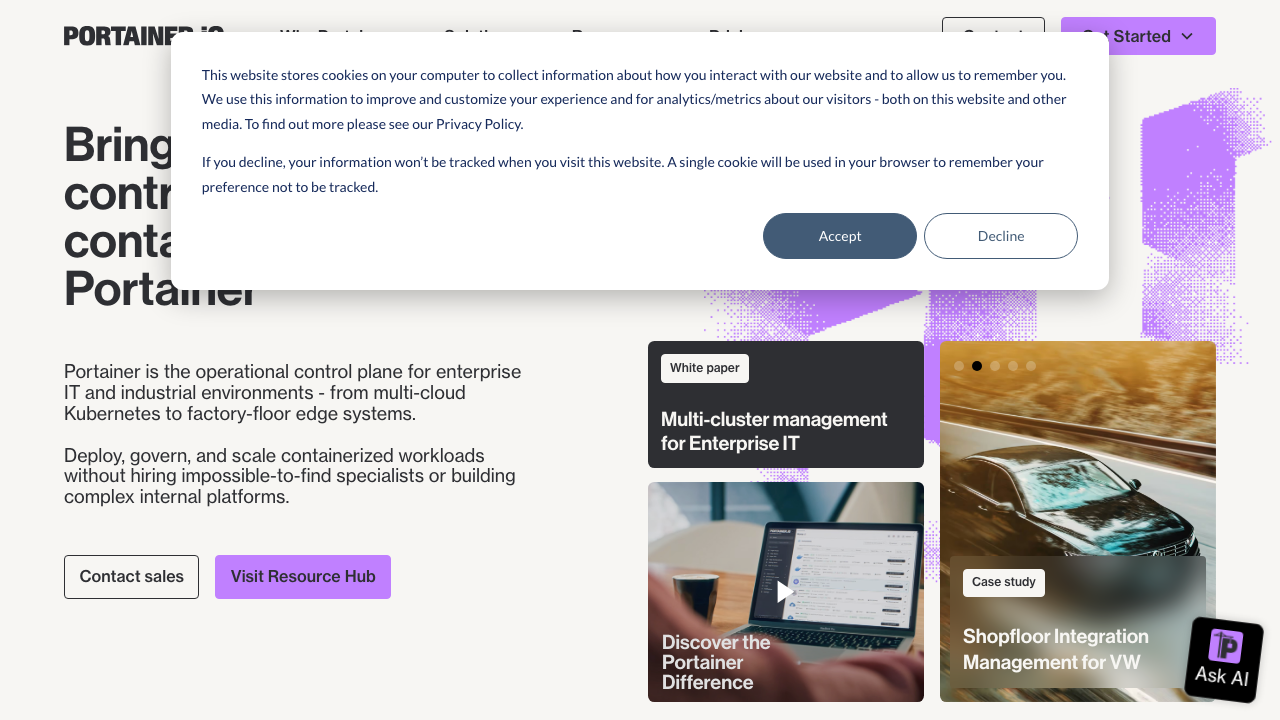
Why we like it: Portainer makes container management accessible. Managing Docker containers, images, volumes, networks, and Kubernetes workloads through a clean web UI is dramatically faster than command-line operations, especially for teams that aren’t container experts.
With 37k stars, Portainer is the most deployed container management UI. It supports Docker standalone, Docker Swarm, Kubernetes, and Azure Container Instances. Role-based access control means you can give developers container access without giving them SSH access to your servers.
The free Community Edition covers most use cases. Deploy it alongside your Docker stack and manage everything — from spinning up new containers to viewing logs and resource usage — through the browser. If you’re evaluating dashboard solutions more broadly, our guide on how to choose an admin dashboard template offers a practical decision framework.
5. SigNoz
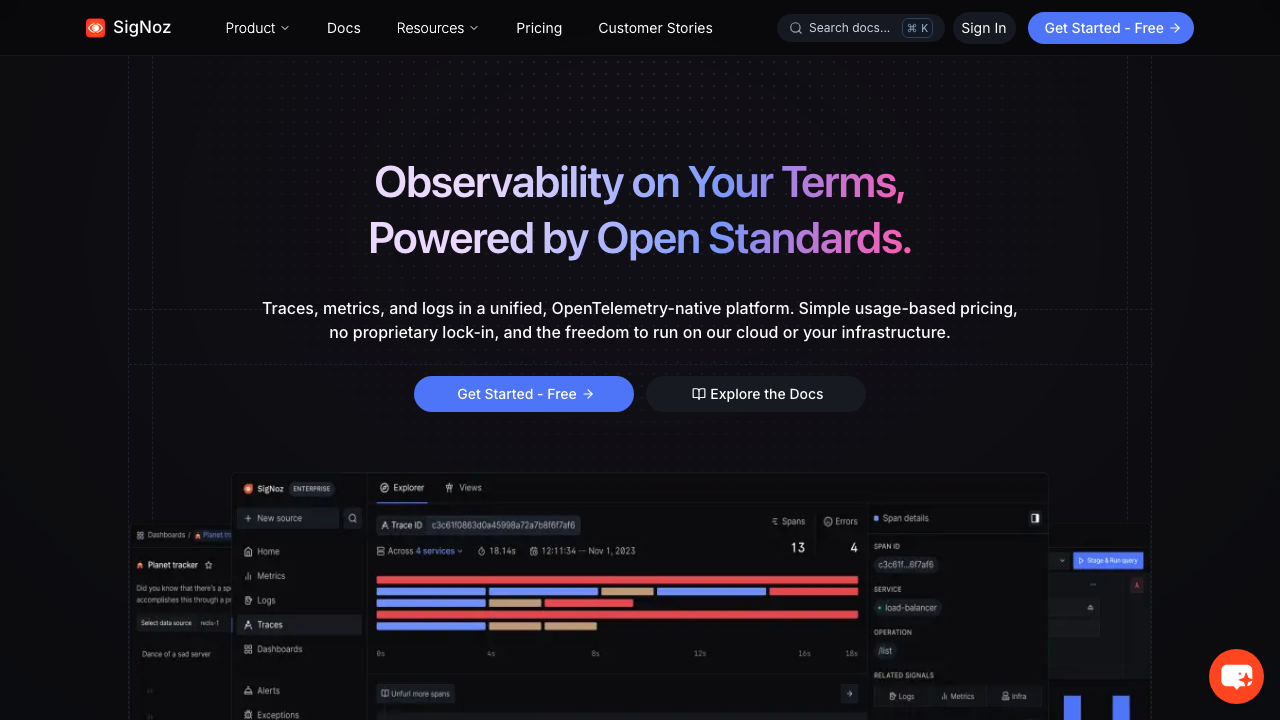
Why we like it: SigNoz provides unified logs, metrics, and traces in a single platform — the same value proposition as Datadog at a fraction of the cost. Built natively on OpenTelemetry, so instrumentation is vendor-neutral from day one.
At 26k stars, SigNoz is growing fast as teams look for alternatives to expensive observability SaaS. The ClickHouse storage backend handles massive data volumes efficiently, and the pre-built dashboard templates for MySQL, MongoDB, JVM, and HTTP APIs get you started quickly.
Features include APM with service maps, distributed tracing, log management, custom dashboards, alerting, and exception tracking. The OpenTelemetry-native approach means switching away from SigNoz later doesn’t require re-instrumenting your code.
6. OpenObserve
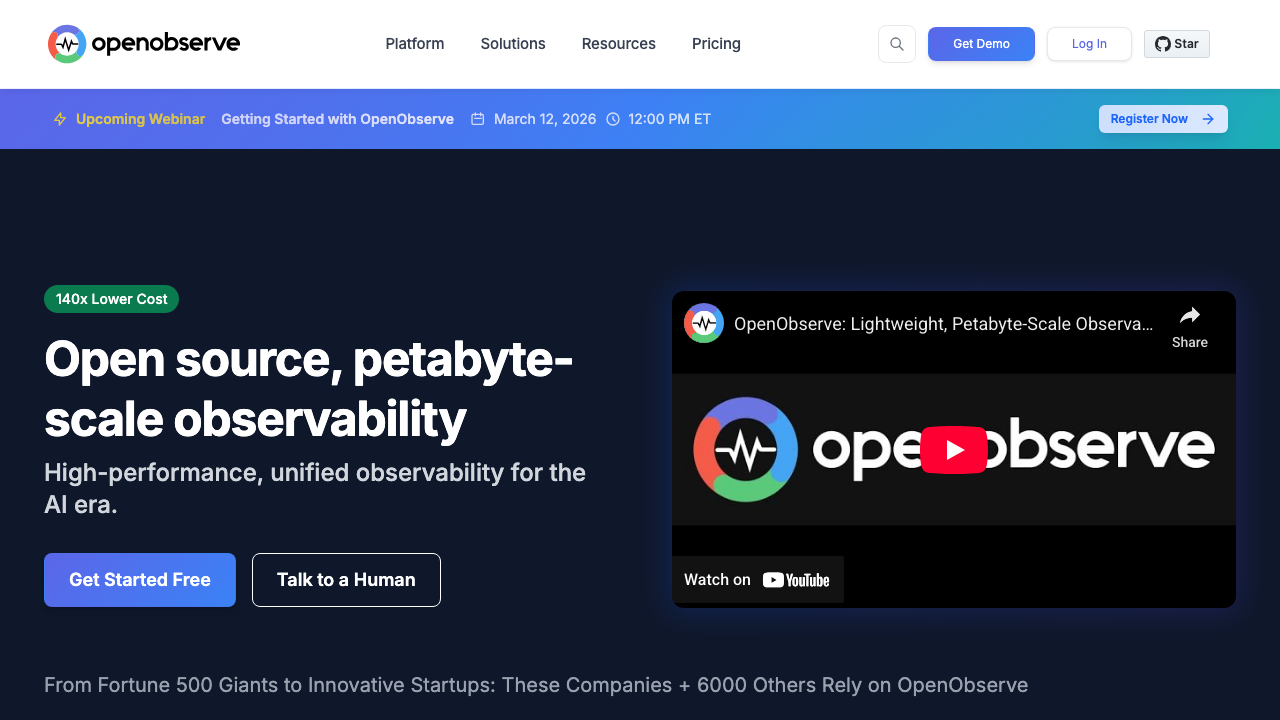
Why we like it: OpenObserve claims 140x lower storage costs than Elasticsearch — and backs it up with Parquet columnar storage on S3. For teams drowning in log storage costs, this is the most compelling alternative to Splunk and Datadog.
Built in Rust for performance, OpenObserve (18k stars) is a single-binary deployment that handles logs, metrics, traces, and frontend monitoring. The SQL query interface for logs and PromQL for metrics means your team’s existing knowledge transfers directly. Community dashboards are available for import.
7. Checkmate
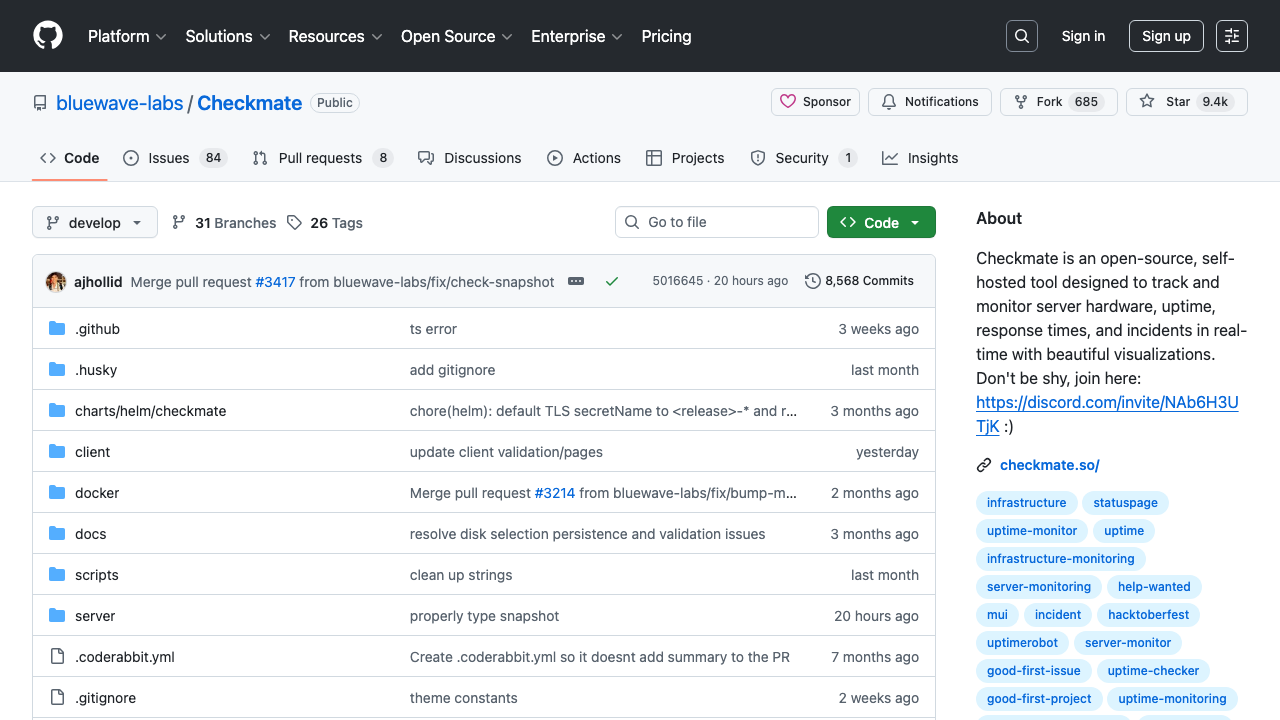
Why we like it: Checkmate combines uptime monitoring with hardware monitoring in a single tool. The “Capture” agent reports CPU, memory, disk, and temperature metrics alongside your HTTP checks — giving you full-stack visibility without running separate tools.
A fast-growing project at 9.4k stars, Checkmate tracks server hardware health, uptime, response times, and incidents. Stress-tested with 1000+ active monitors, it offers beautiful visualizations and alerting. Deploy via Docker Compose with MongoDB for persistent storage.
8. Woodpecker CI
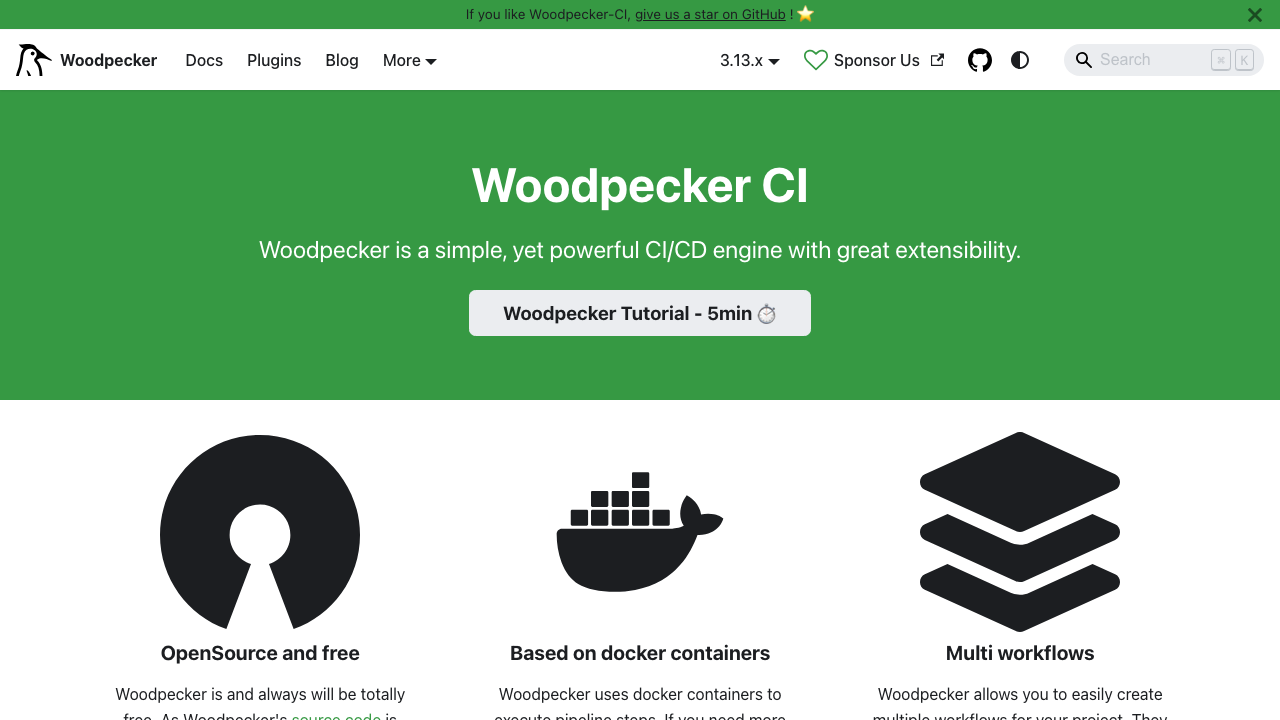
Why we like it: Woodpecker is what Drone CI should have stayed — a simple, container-based CI/CD engine with a clean web dashboard. It integrates natively with Gitea, Forgejo, GitHub, GitLab, and Bitbucket without the complexity of Jenkins or GitLab CI.
Forked from Drone when its license changed, Woodpecker (6.6k stars) provides a clean pipeline dashboard showing build status, logs, and history. Pipelines run in Docker containers with a YAML-based configuration. The plugin system supports custom pipeline steps for deployment, notifications, and testing.
9. Cachet
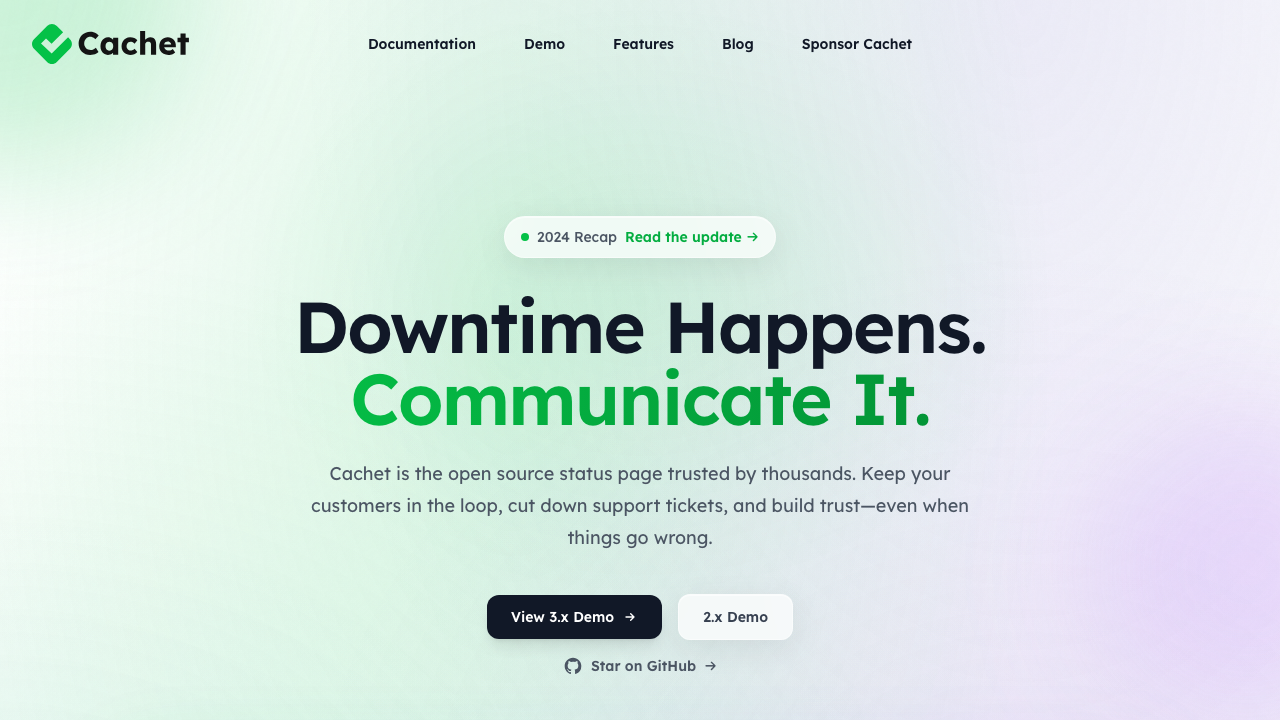
Why we like it: Cachet is the most established open-source status page system with 14k GitHub stars. Component groups, incident management, scheduled maintenance, subscriber notifications, and a JSON API — everything you need for a professional status page.
If you’re paying for Statuspage.io or similar services, Cachet provides the same functionality self-hosted. The UI supports multiple languages, custom themes, and metric graphs. The JSON API enables automated status updates from your CI/CD pipeline or monitoring tools.
10. Grafana Dashboards for Kubernetes
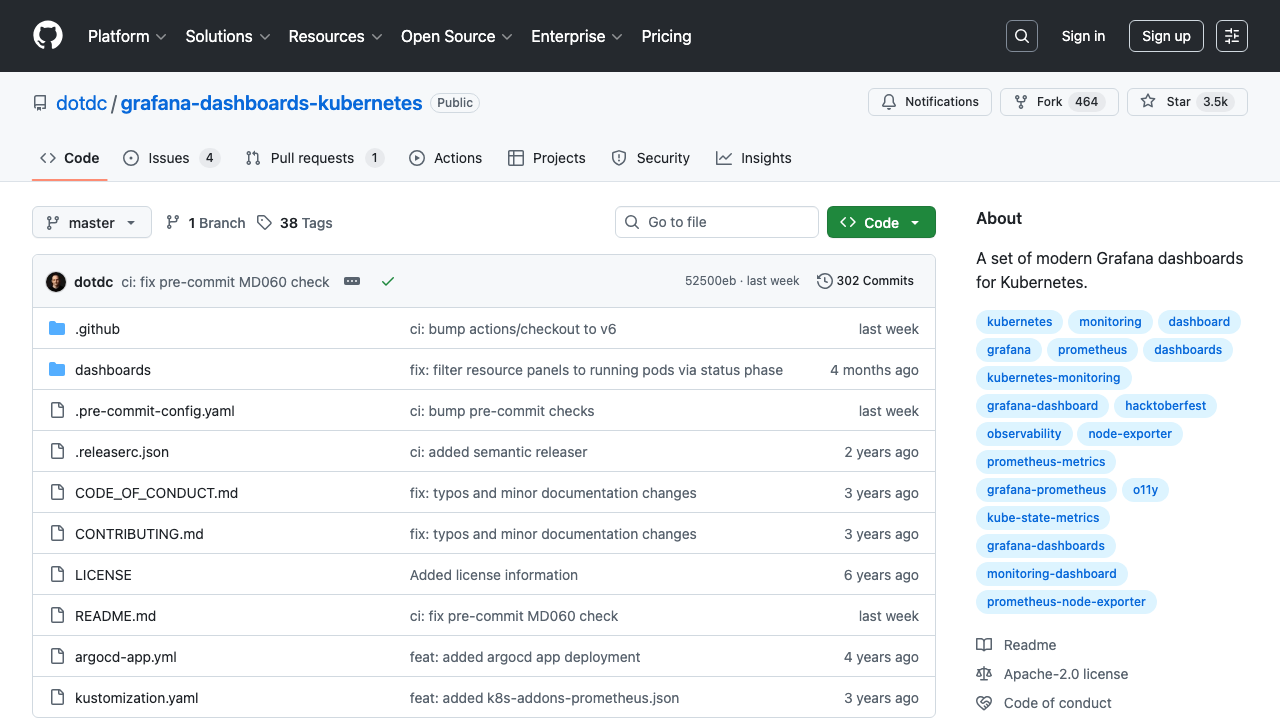
Why we like it: If you’re running Kubernetes with Grafana + Prometheus (which most teams are), this curated set of dashboards covers cluster overview, namespace resources, node resources, pod resources, and workload views with clean, consistent panel layouts.
This collection (3.4k stars) provides production-ready Grafana dashboard JSON files specifically for Kubernetes environments. Unlike the default kube-prometheus-stack dashboards, these are modern, well-organized, and visually consistent. Import them via Grafana’s dashboard import or deploy via Helm chart.
Building Your DevOps Dashboard Stack
Most teams combine multiple tools. Here are proven combinations:
Small team / startup: Uptime Kuma for endpoint monitoring + Netdata for server metrics. Both deploy in minutes, require zero configuration, and cover 90% of monitoring needs.
Growing engineering team: Grafana + Prometheus for metrics, Loki for logs. Add Portainer for container management and Cachet for a public status page.
Enterprise / high-scale: SigNoz or OpenObserve for unified observability. Both provide the logs + metrics + traces experience that Datadog charges tens of thousands per month for. For specialized financial monitoring needs, our fintech and banking dashboard templates guide covers purpose-built solutions.
Kubernetes-native: Grafana with the K8s dashboard collection, Prometheus via kube-prometheus-stack, and Portainer for workload management.
You Might Also Like

Comments (No Comments)