20 Best Tailwind CSS Portfolio Templates 2026
Your portfolio is your resume, your business card, and your proof of work — all in one URL. A Tailwind CSS portfolio template gives you a professionally designed starting point with utility-first styling that’s fast to customize. If you’re also looking for dashboard solutions with the same framework, check out our collection of Tailwind admin templates. No fighting with opinionated CSS frameworks or overriding component styles — just clean, composable classes that match your personal brand.
We reviewed 60+ portfolio templates across GitHub, ThemeForest, and framework-specific ecosystems to find the 20 best options for developers, designers, and creators in 2026. The list covers Astro, Next.js, Nuxt, React, and plain HTML — with a strong lean toward Astro templates, which have become the dominant choice for static portfolio sites.
Quick Picks
- Best overall: leerob.io — the gold standard developer portfolio, Next.js 15 + MDX + Tailwind
- Best Astro: AstroWind — 5,400+ stars, PageSpeed 100, blog + portfolio in one
- Best for developers: DevPortfolio — config-driven, minimal, built for shipping fast
- Best 3D/creative: JS Mastery Portfolio — Three.js globe, bento grid, 3,600+ stars
- Best premium: Gerold — 10 home pages, dark + light, React/Next.js/WordPress versions
- Best Vue/Nuxt: Canvas — Nuxt 3 + NuxtUI v3 + Tailwind v4, i18n, contact form
1. leerob.io
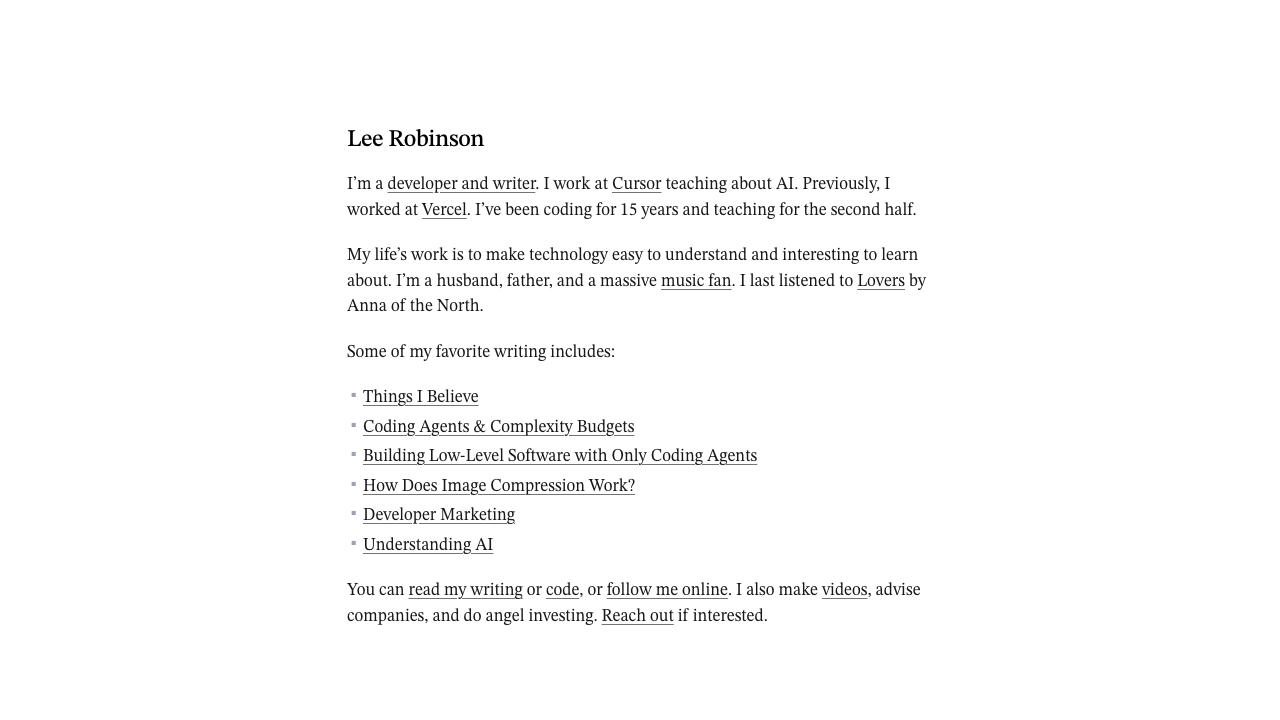
Why we like it: Lee Robinson (VP of Product at Vercel) open-sourced his personal site — arguably the most referenced developer portfolio in the Next.js ecosystem. 7,500+ GitHub stars speak for themselves.
Blog-first portfolio built with Next.js 15, MDX for content, Postgres for view counts, and Tailwind CSS for styling. The design is intentionally minimal — clean typography, fast page loads, and zero visual clutter. The MDX setup supports code blocks with syntax highlighting, embedded components, and frontmatter metadata.
This isn’t a template with placeholder sections — it’s a production portfolio that demonstrates Next.js best practices including App Router, Server Components, and edge-ready deployment. Fork it, replace the content, and you have a portfolio that’s genuinely impressive to technical hiring managers.
2. AstroWind
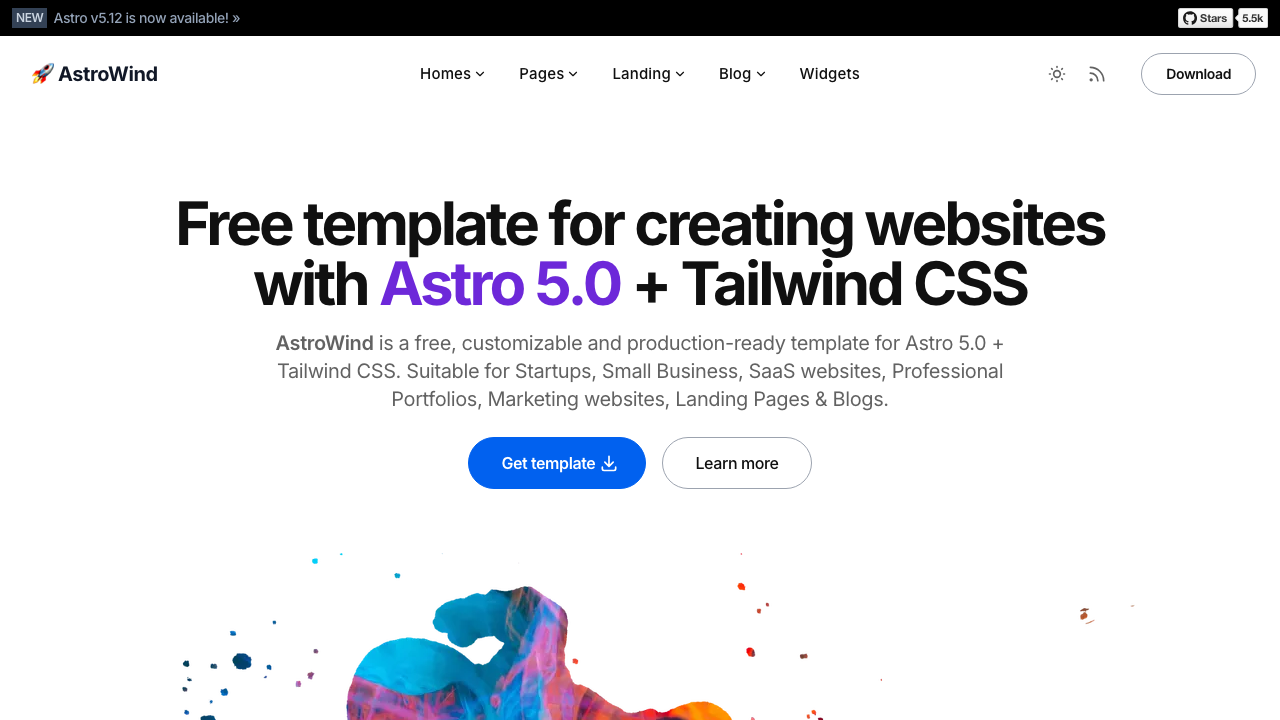
Why we like it: The most starred Astro template on GitHub (5,400+). Perfect PageSpeed scores, dark mode, blog with MDX/RSS, and RTL support — it covers every base a portfolio site needs.
AstroWind is the Astro community’s flagship template. It combines a landing page hero, features grid, testimonials, pricing, and FAQ sections with a full blog system powered by Astro Content Collections. Dark mode is built in with system preference detection. The SEO setup includes auto-generated sitemaps, RSS feeds, and Open Graph images.
The template works equally well as a developer portfolio, a SaaS landing page, or a personal blog. The Tailwind styling is clean and well-organized with custom components that are easy to extend. If you want one template that does everything for a personal web presence, AstroWind is the safest bet.
3. DevPortfolio
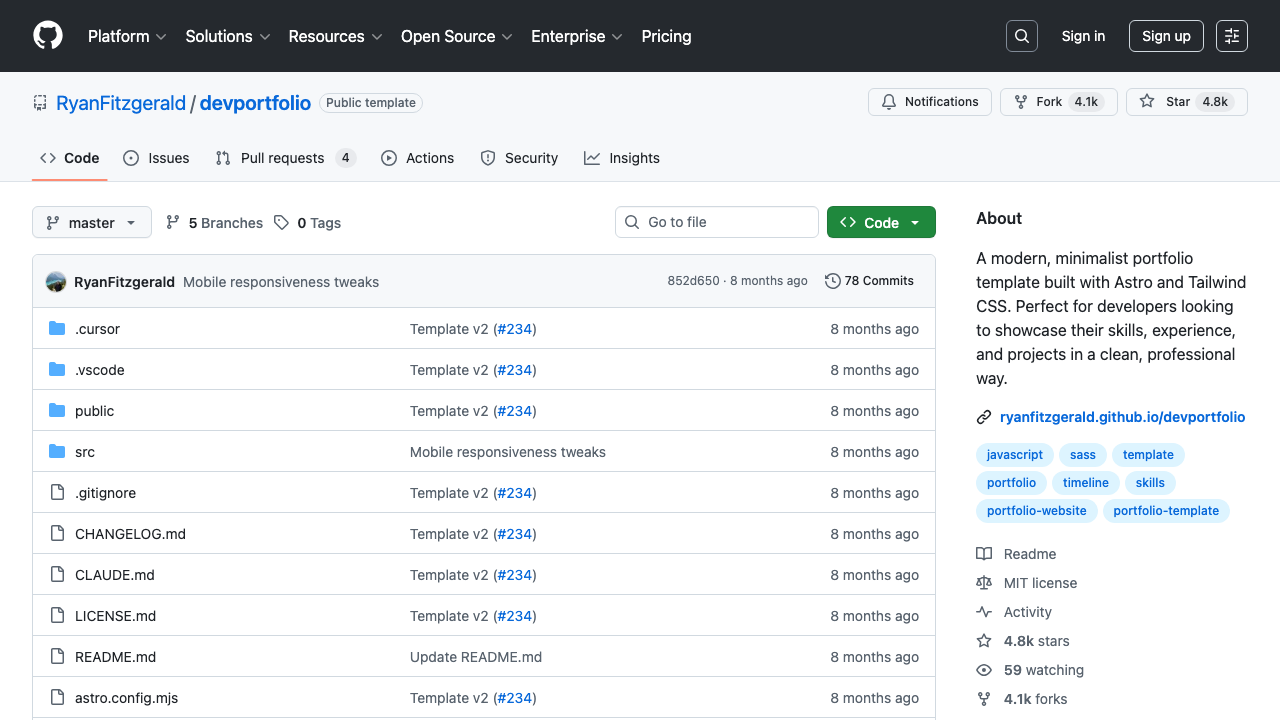
Why we like it: Config-driven — edit one TypeScript file and your entire portfolio updates. 4,800+ stars, actively maintained (last push: March 2026), ships with CLAUDE.md for AI-assisted customization.
DevPortfolio is purpose-built for software developers. The template includes sections for About, Education, Experience, Projects, and Skills — all controlled through a single src/config.ts file. No need to edit HTML or dig through component files; update the config and Astro builds the rest.
The design is intentionally restrained: clean typography, professional layout, fast load times. It won’t win design awards, but it will make a hiring manager’s job easy. The Astro build generates a fully static site that deploys anywhere — Vercel, Netlify, Cloudflare Pages, or a simple CDN.
4. brittanychiang.com (v4)
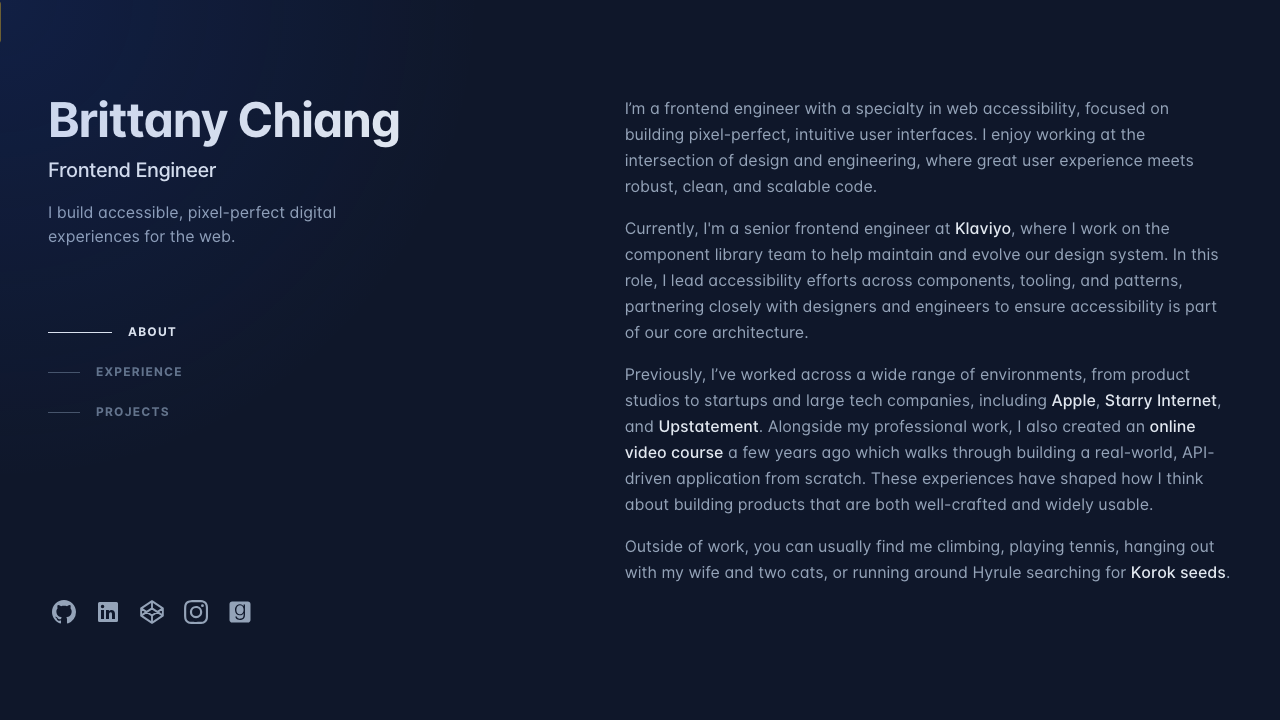
Why we like it: 8,100+ stars — the most forked developer portfolio on GitHub. The dark-themed, terminal-inspired design has become iconic in the developer community.
Brittany Chiang’s portfolio has been forked thousands of times for good reason: the design is polished, the UX is smooth, and it hits every section a software engineer needs — hero with animated text, about, experience (tabbed layout), projects, and contact. The subtle animations and attention to detail set it apart from generic templates.
While the original uses Gatsby and Styled Components, the design patterns and layout have inspired countless Tailwind CSS ports. The v4 codebase is well-structured and well-documented, making it straightforward to adapt to your own framework preference. If you’ve ever seen a developer portfolio you admired, there’s a good chance it was inspired by this one.
5. JS Mastery Portfolio
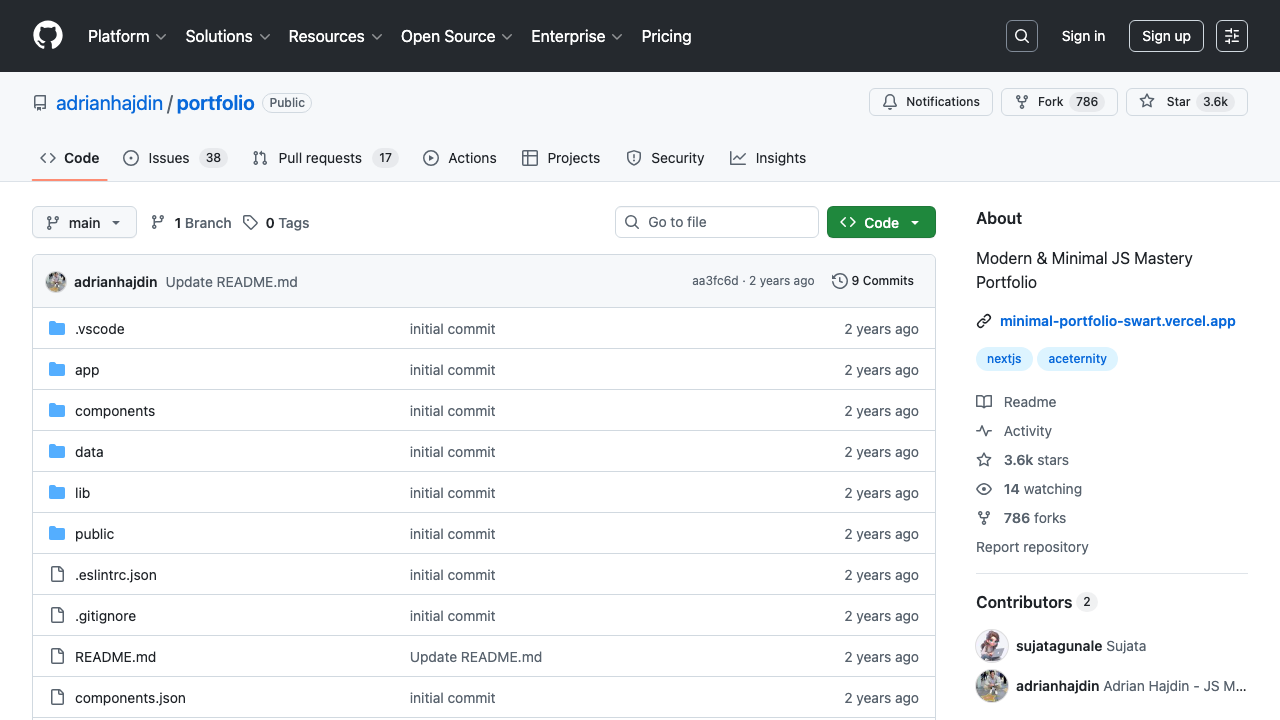
Why we like it: The most visually impressive portfolio template available. Bento grid layout, interactive 3D GitHub globe, card hover effects, and smooth Framer Motion animations — 3,600+ stars.
Adrian Hajdin’s portfolio template goes all-in on visual impact. The bento grid layout gives each section a distinct visual weight, the Three.js globe shows your GitHub contribution locations, and every interaction has polished Framer Motion animations. Sections include hero, about (with tech stack grid), projects, testimonials, work experience timeline, and contact.
The Three.js integration is the standout — it creates a memorable first impression that static templates can’t match. The trade-off is a larger bundle size and more complex code, but for developers who want their portfolio to demonstrate frontend skills, this template proves you can build impressive UIs.
6. Astro Paper
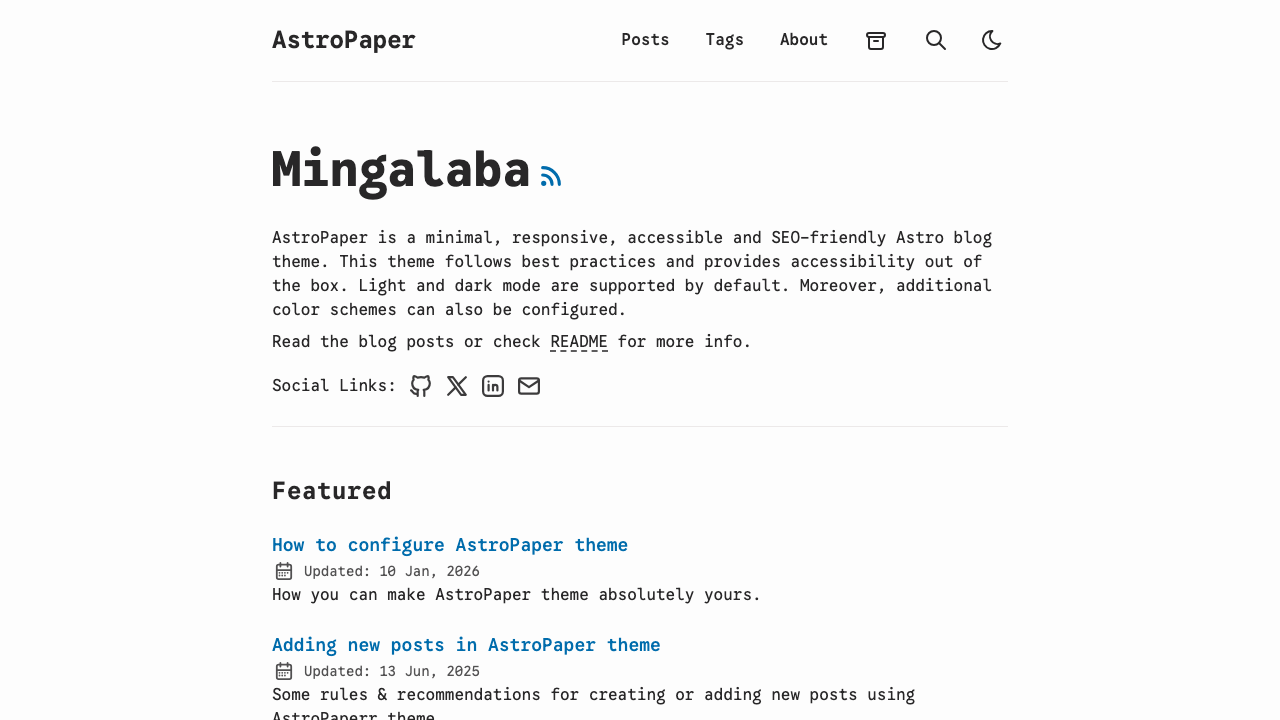
Why we like it: 4,300+ stars. The best Astro blog theme — accessible, SEO-optimized, and lightning fast. Perfect for developers who write.
Astro Paper is a minimal, accessible blog theme that doubles as a portfolio. Built with Tailwind CSS and TypeScript, it features light/dark mode, fuzzy search, tag-based filtering, dynamic OG image generation, and draft post support. The content is managed through Markdown/MDX files with type-safe frontmatter.
The accessibility work is exceptional — keyboard navigation, screen reader support, and semantic HTML throughout. If your portfolio strategy is “show what you know by writing about it,” Astro Paper is the best vehicle. The clean design keeps the focus on your content, not the template.
7. Developer Portfolio (said7388)
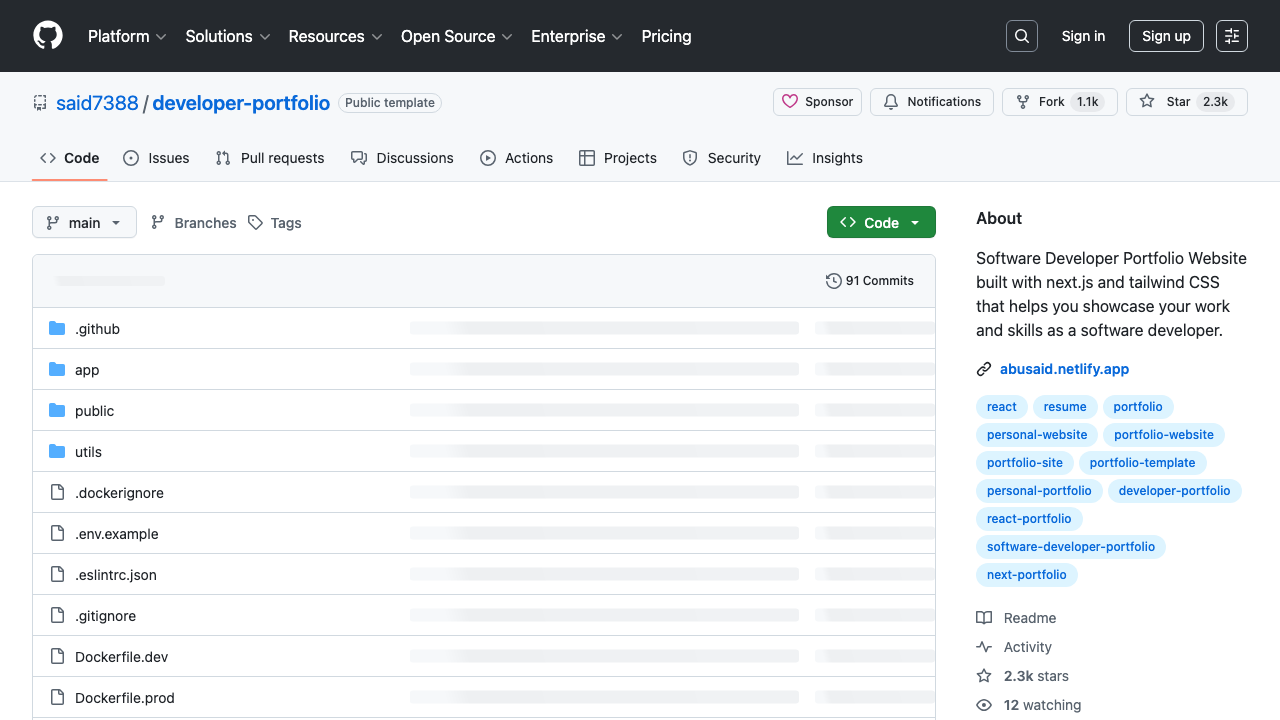
Why we like it: 2,300+ stars and actively maintained. Covers every section a developer needs — education, skills, experience, projects, and blog — with dark/light mode toggle.
A comprehensive Next.js developer portfolio with sections for Home, About, Resume, Education, Skills, Experience, Projects, Blog, and Contact. The dark/light mode toggle uses system preference detection with manual override. The design is clean and professional without being flashy.
What sets this template apart is completeness — most portfolio templates skip the resume/education sections, but this one covers the full professional story. The skills section uses visual indicators, and the project cards include live demo and GitHub links. Updated regularly (last push: February 2026).
8. ScrewFast
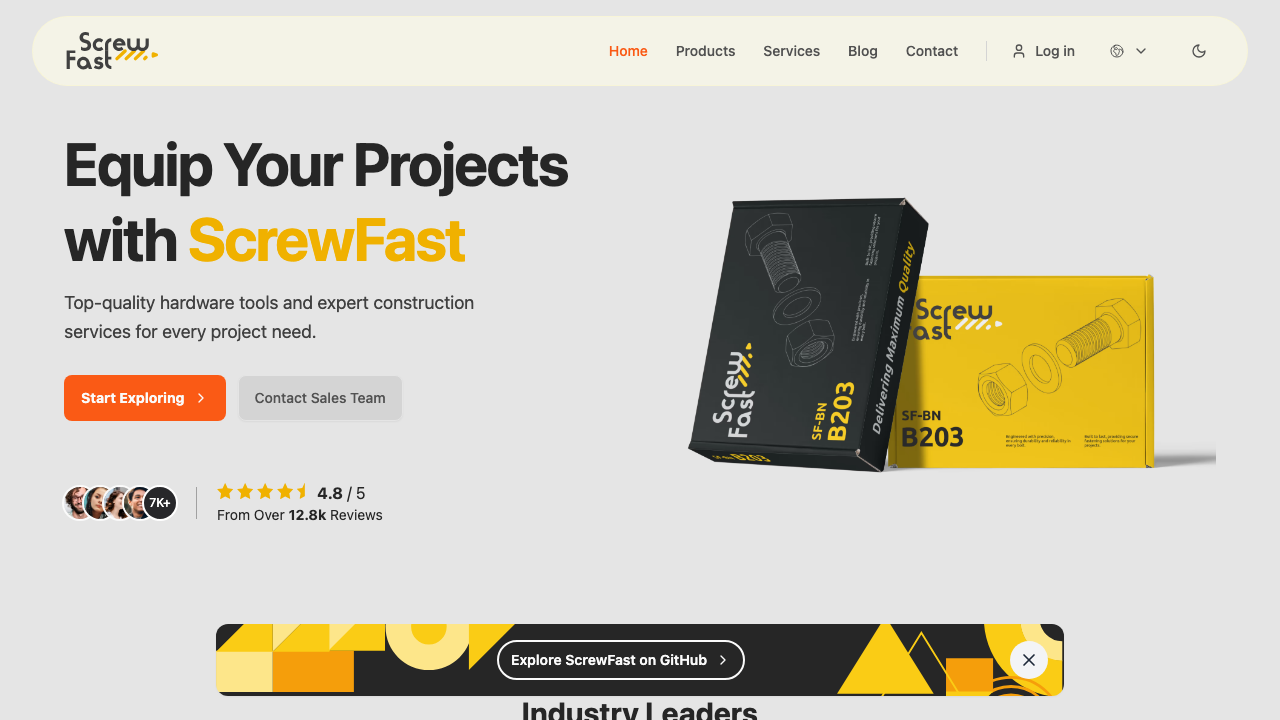
Why we like it: 1,200+ stars. The most complete agency/business portfolio in the Astro ecosystem — Starlight docs integration, i18n, GSAP animations, and SEO optimization.
ScrewFast goes beyond personal portfolios into agency territory. It includes product/service pages, pricing, testimonials, FAQ, blog, and — uniquely — a Starlight documentation site built in. GSAP animations add polish without the complexity of Three.js. The i18n support makes it viable for international freelancers.
The Preline UI integration provides accessible, pre-styled components that complement Tailwind CSS. Deploy to Vercel or Netlify with zero configuration. If you’re a freelancer or small agency that needs a portfolio and documentation site in one package, ScrewFast is the most efficient option.
9. Astrofy
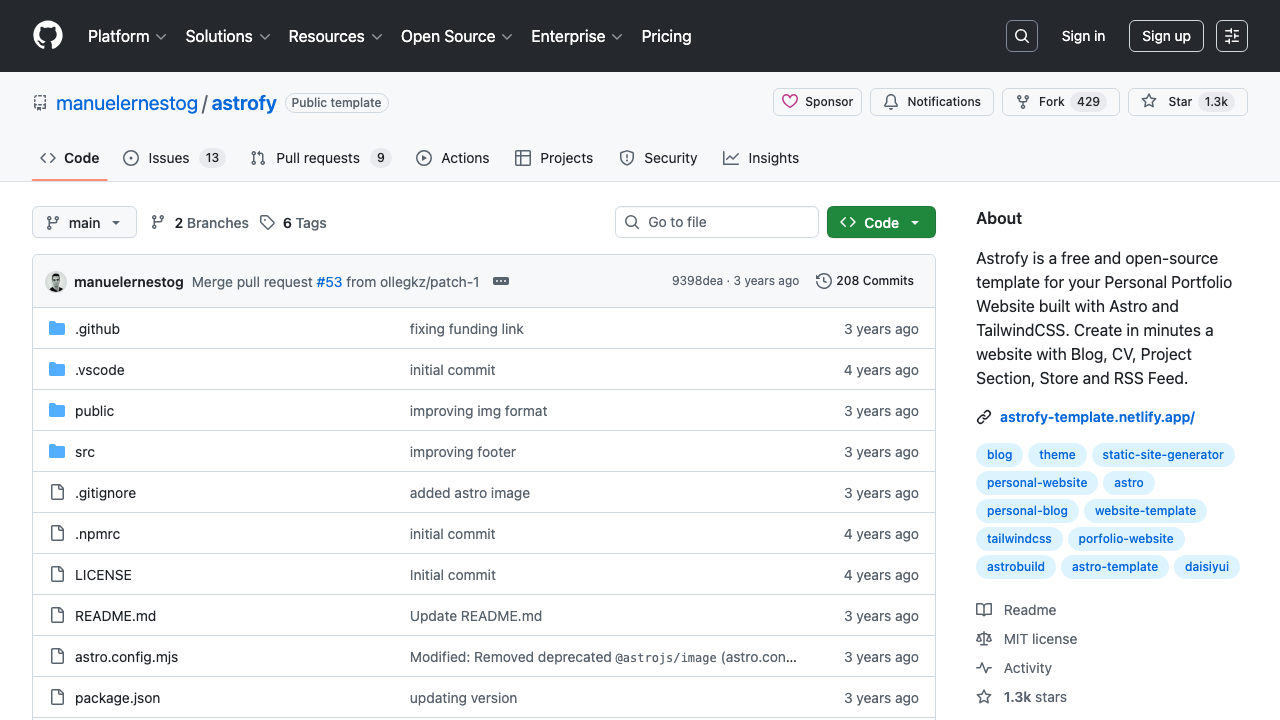
Why we like it: 1,300+ stars. Sidebar layout with social icons, 30+ DaisyUI theme variations, blog, CV, projects, and even a store page — the most feature-rich free Astro portfolio.
Astrofy takes a unique approach with its sidebar-based layout featuring a profile image, name, and social links always visible. The main content area flows between blog posts, project showcases, a CV/resume page, and an optional store. DaisyUI provides 30+ theme variations you can switch between — from light and corporate to dark and retro.
The store page is an unusual addition that works well for developers selling digital products (courses, ebooks, templates). RSS feed support and SEO optimization are built in. If you want a portfolio that feels like a personal brand hub rather than a single-page resume, Astrofy delivers.
10. Next.js Developer Portfolio Starter
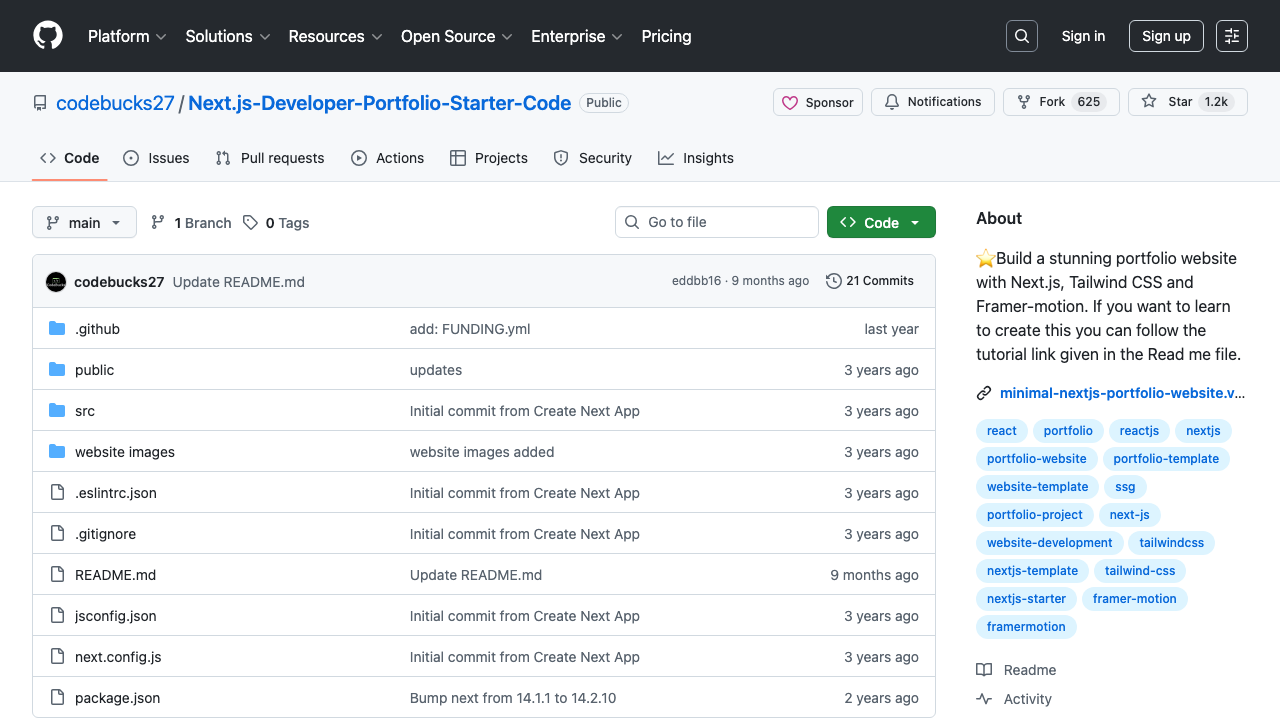
Why we like it: 1,200+ stars and comes with a full YouTube tutorial. Learn while you build — the best educational portfolio template.
CodeBucks’ portfolio starter pairs a polished template with a comprehensive video tutorial explaining every component. Smooth Framer Motion page transitions, animated hero section, project cards with hover effects, and a contact form — all explained step by step.
This is the best choice for developers who want to understand how their portfolio works, not just deploy a template. The code is well-commented and follows Next.js conventions. Even if you end up customizing heavily, the tutorial foundation means you’ll know exactly how to modify each piece.
11. Canvas
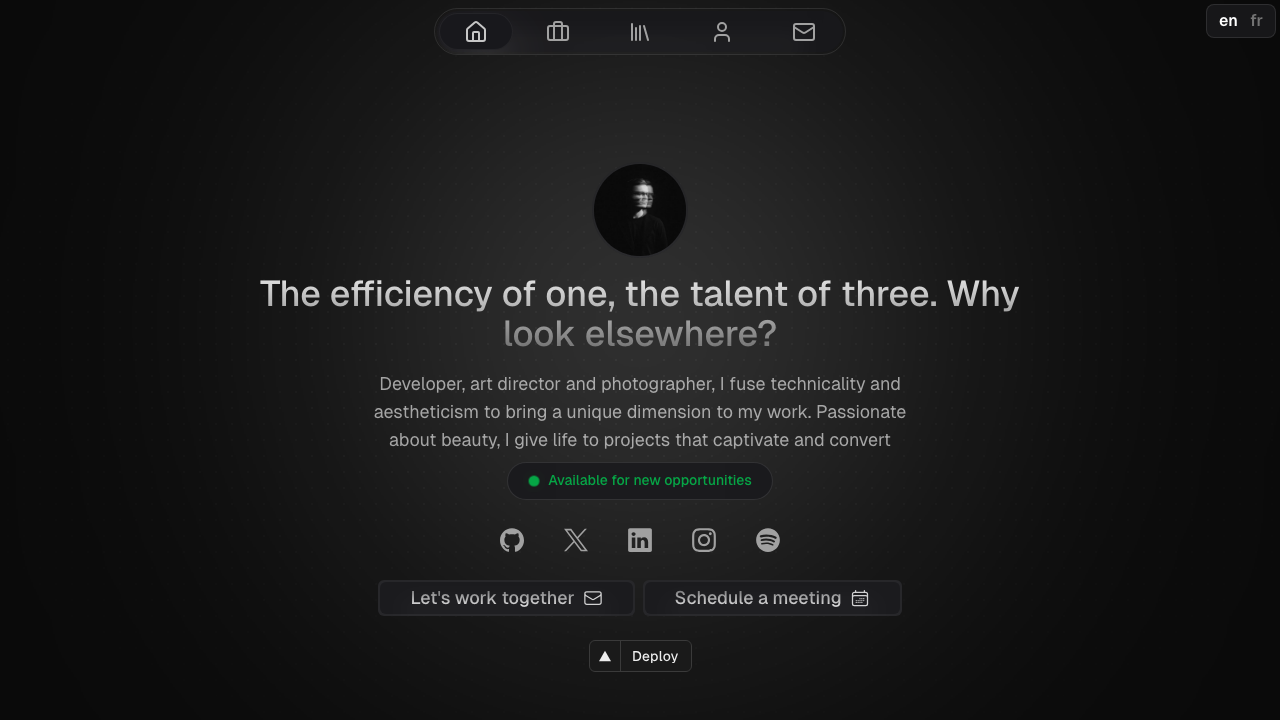
Why we like it: The best Vue/Nuxt portfolio template available. Nuxt Content v3, i18n multi-language, Resend contact form, NuxtHub deployment, and Tailwind CSS v4 — cutting-edge stack.
Canvas by Hugo Richard is a modern portfolio built on the latest Nuxt ecosystem — NuxtUI v3, Nuxt Content v3, and Tailwind CSS v4. The design is minimal and elegant with smooth transitions. Blog content is managed through Markdown files, and the i18n support makes it ready for multilingual portfolios.
The Resend integration provides a working contact form out of the box — no third-party form service needed. NuxtHub deployment means you can host on Cloudflare’s edge network for global performance. For Vue developers, this is the definitive portfolio template in 2026.
12. React Tailwind Portfolio
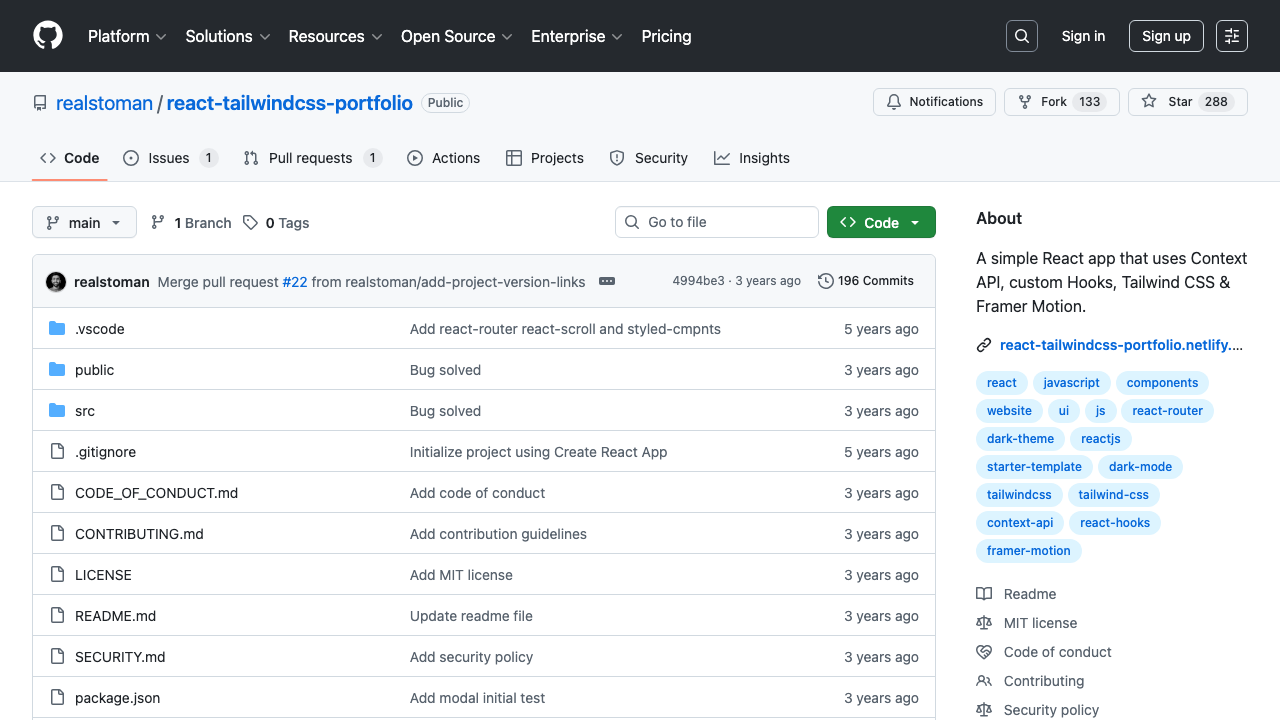
Why we like it: Pure React + Tailwind — no Next.js, no Gatsby, no framework opinions. Dark mode, project filtering by category, search, and smooth animations.
Realstoman’s React portfolio is a clean, no-framework React app with Context API for state management. The standout feature is project filtering — visitors can browse your work by category or search by keyword, which is valuable if you have a diverse project portfolio. Framer Motion handles animations.
If you want React without the overhead of Next.js or Gatsby (perhaps you’re deploying to a specific hosting environment), this template is the best option. The Context API usage for theme and project filtering is well-structured and easy to extend.
13. Vue.js Tailwind Portfolio
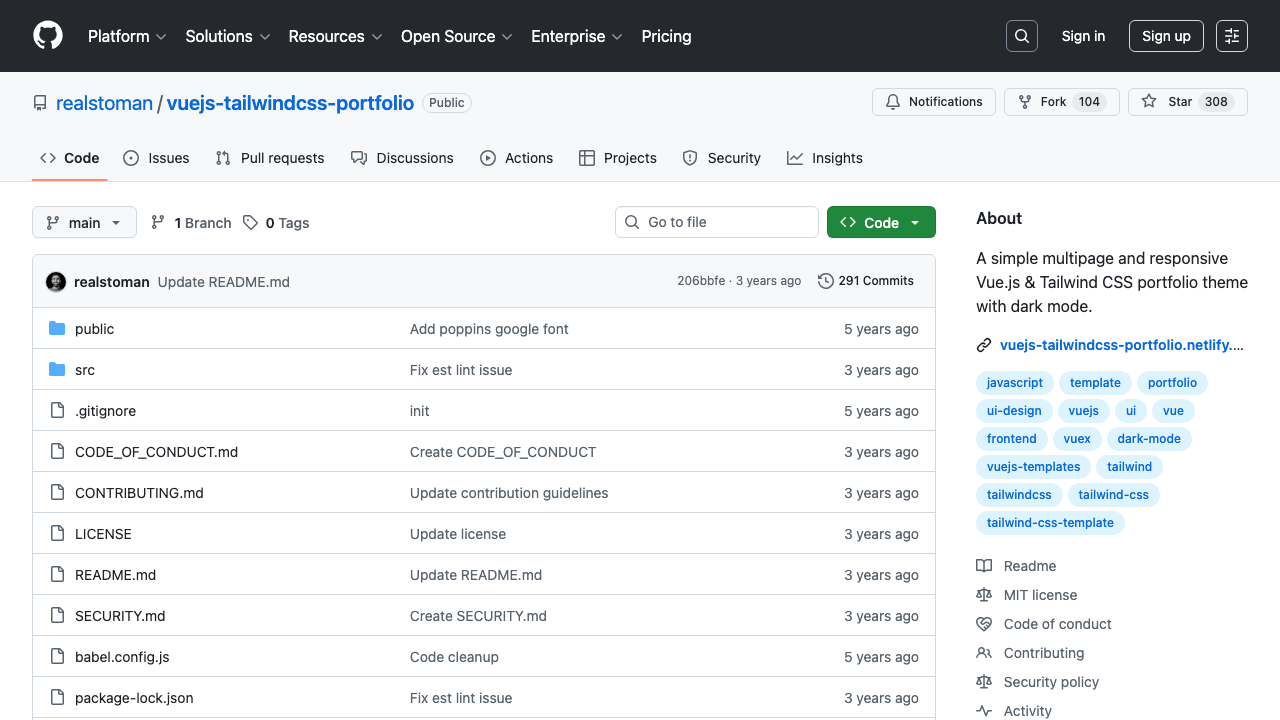
Why we like it: The React portfolio’s Vue counterpart — same author, same quality. Vue 3 Composition API, dark mode, multipage routing, project filtering and search.
The Vue companion to the React portfolio above (also by Realstoman). Vue 3 Composition API throughout with the same feature set — dark/light mode, multipage layout, project filtering by category, search functionality, and reusable components. If you’re a Vue developer, you get the same polished portfolio experience.
The 300+ GitHub stars and active maintenance confirm this is the most popular standalone Vue portfolio template with Tailwind CSS. The Composition API code is clean and follows modern Vue patterns.
14. braydoncoyer.dev
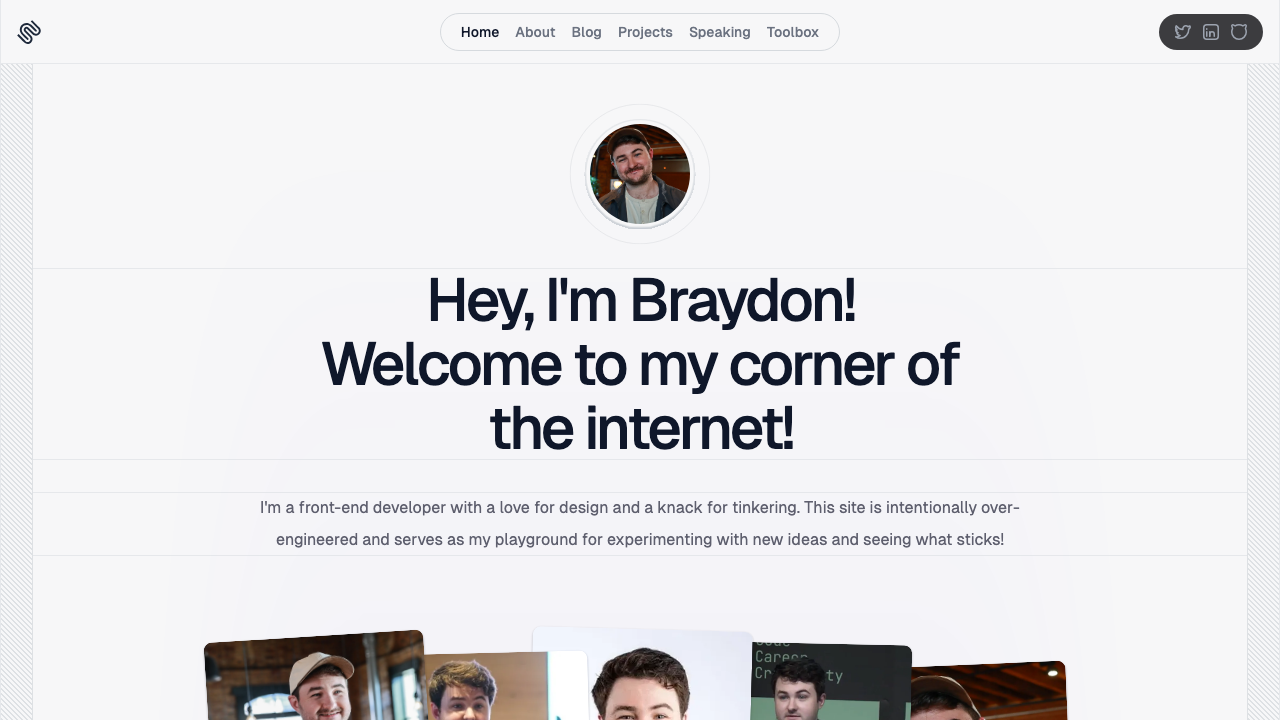
Why we like it: A production portfolio rebuilt from scratch in 2026 with Next.js 15, Supabase backend, and polished design. 770+ stars and a great reference for modern full-stack portfolios.
Braydon Coyer’s portfolio is a full-stack application — not just a static site. The Supabase backend powers view counts, guestbook entries, and newsletter subscriptions. Built with Next.js 15 and Tailwind CSS, the design balances personality with professionalism.
The blog system is particularly well-done, with code block syntax highlighting, table of contents, and reading time estimates. If you want a portfolio that’s also a content platform — hosting articles, tutorials, and project case studies — this template shows how to build it with a modern stack.
15. craftzdog-homepage
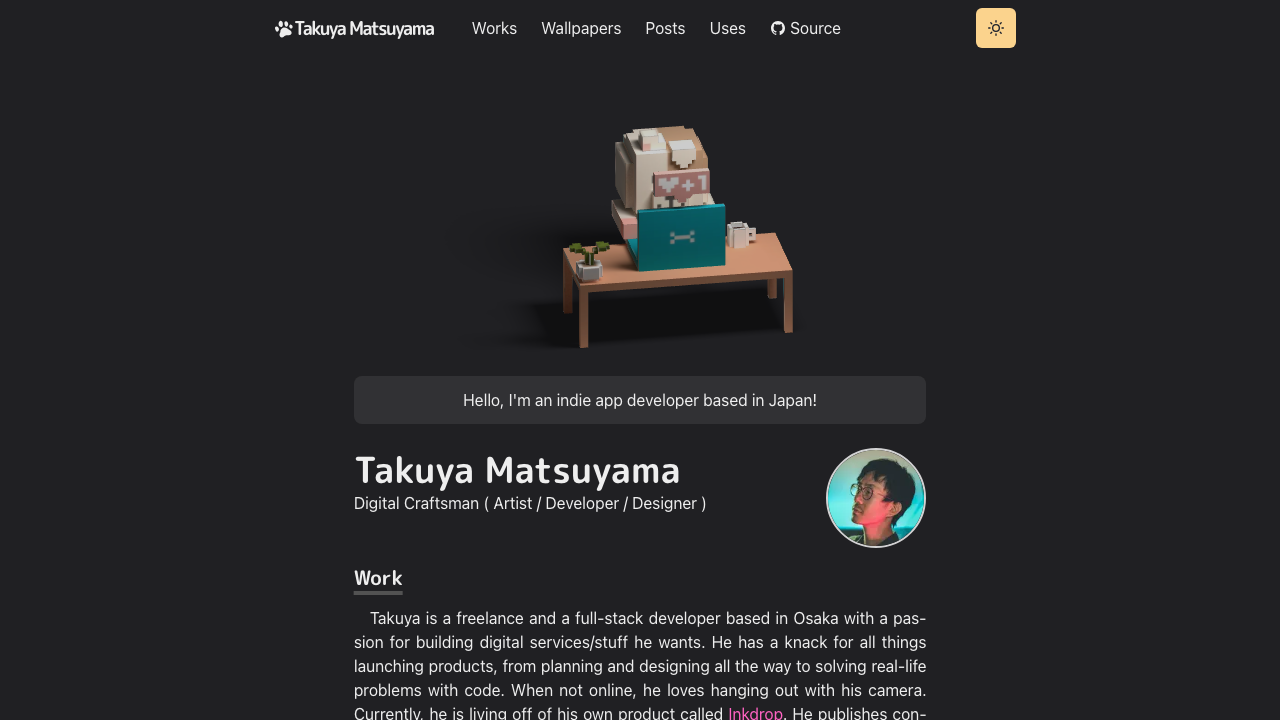
Why we like it: 2,400+ stars. Famous indie developer Takuya Matsuyama’s (devaslife) portfolio with unique 3D voxel art, personality-rich design, and a distinctive visual style.
Takuya Matsuyama’s portfolio is one of the most recognizable developer sites on the internet, featured across YouTube with millions of views. The 3D voxel art model, handcrafted aesthetic, and personal tone create a portfolio that feels genuinely unique — not like a template at all.
The codebase combines Next.js with Three.js for the 3D elements and Chakra UI alongside Tailwind for styling. While the highly personalized design makes it harder to directly fork-and-deploy compared to generic templates, it’s an outstanding reference for developers who want their portfolio to express personality.
16. Minimal Astro Portfolio
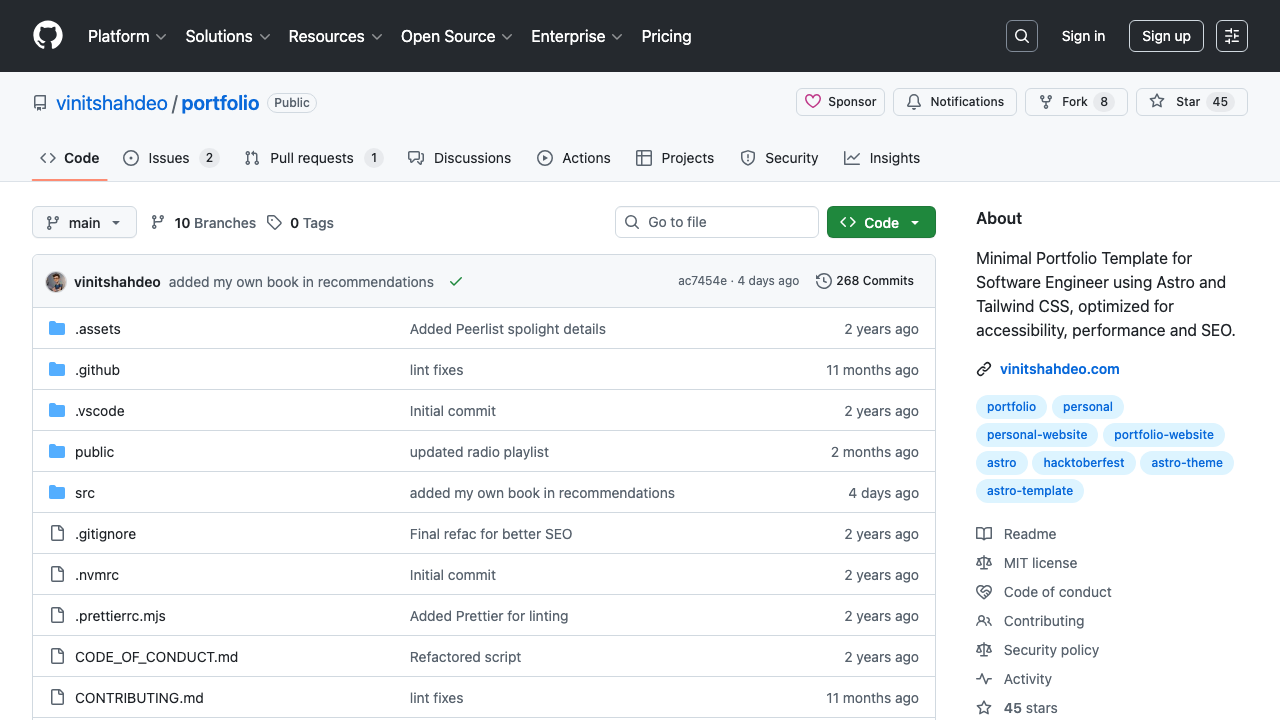
Why we like it: Accessibility-first design, extreme performance focus, and zero visual bloat. Actively maintained (March 2026). The portfolio for developers who believe less is more.
Vinit Shahdeo’s portfolio template strips away everything non-essential. No animations, no 3D effects, no component library — just semantic HTML, Tailwind CSS, and fast load times. The accessibility work is thorough with proper ARIA labels, keyboard navigation, and screen reader support.
This template appeals to developers who prioritize substance over style. The content speaks for itself with clean typography and generous whitespace. If you’re turned off by flashy portfolio templates and want something that loads instantly and reads well, this is your pick.
17. Creative Tim Portfolio Page
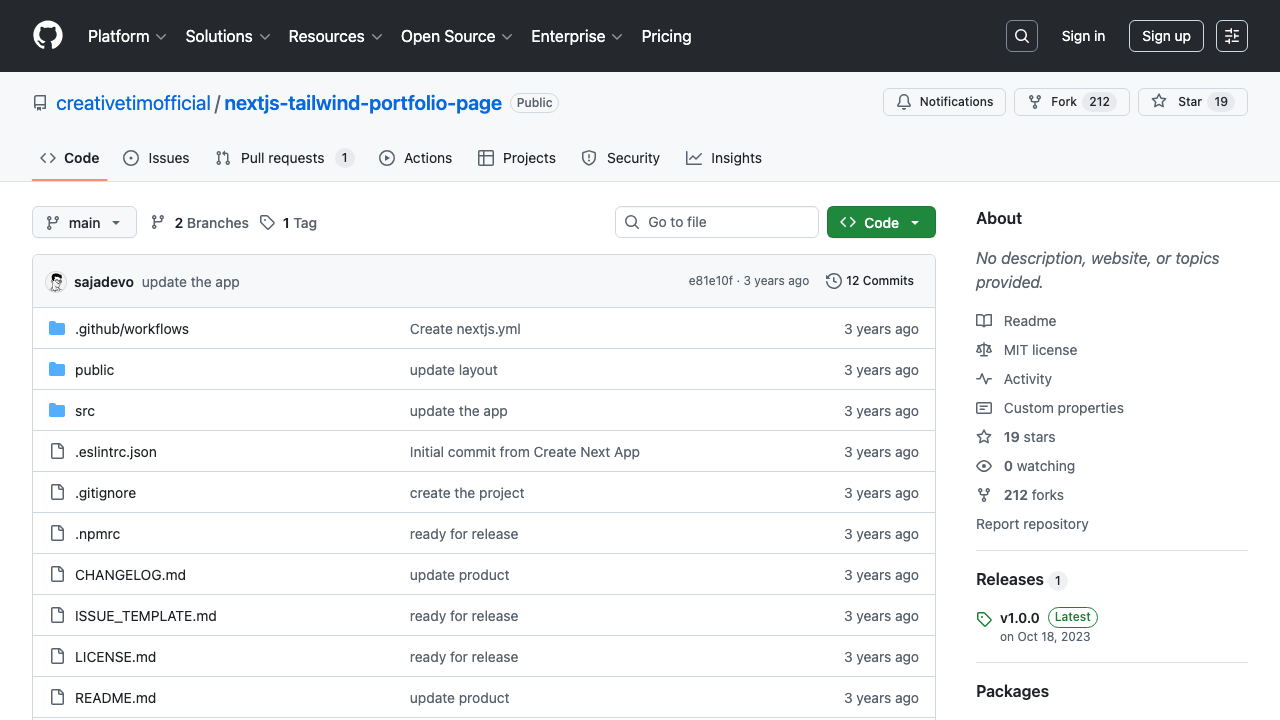
Why we like it: Material Design polish from a trusted template vendor. Hero, logo showcase, testimonials, features — a portfolio that doubles as a client-facing landing page.
Creative Tim’s portfolio page template combines their Material Tailwind component library with Next.js. The design leans toward agency/freelancer portfolios rather than developer personal sites — hero section, client logo showcase, testimonials carousel, and feature highlights. Material Design components ensure a consistent, professional look.
The single-page layout works well for freelancers who need a quick professional presence. The Material Tailwind components are well-documented and easy to customize. Free under MIT license with optional premium upgrades for additional pages and components.
18. Gerold
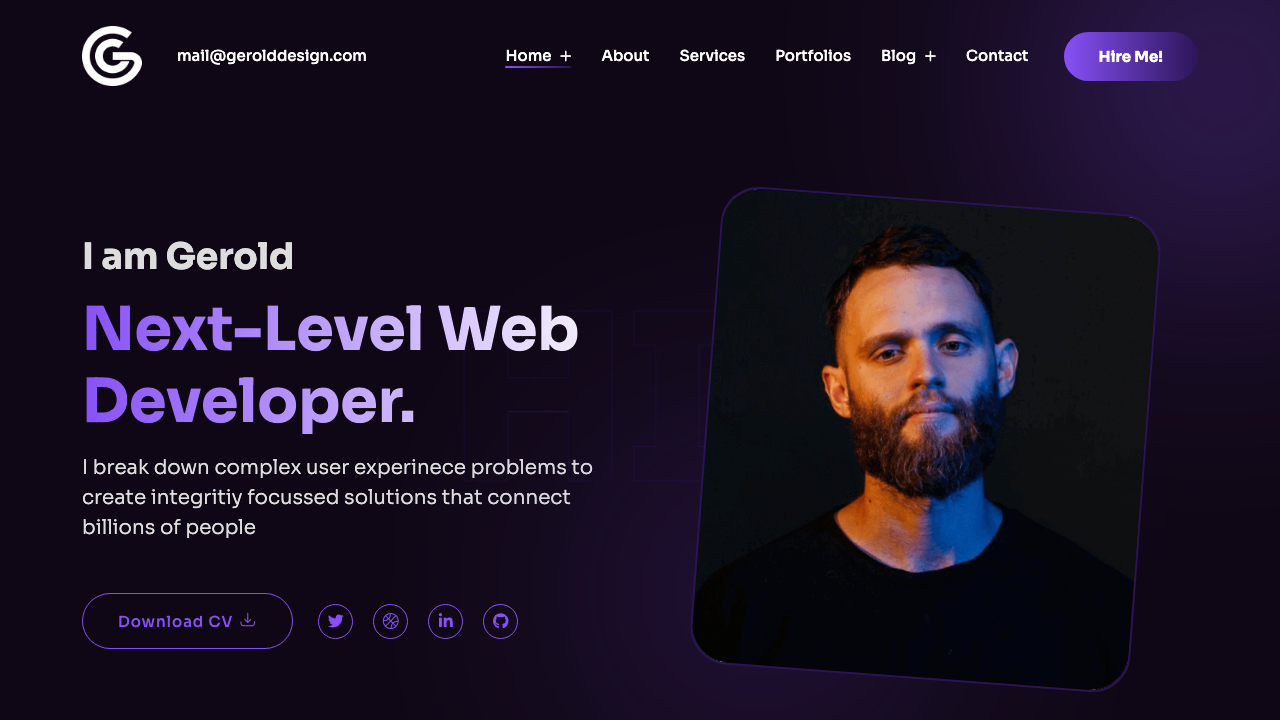
Why we like it: 10 unique home pages, dark + light versions, 20 portfolio section variants, blog pages, and available as HTML, React/Next.js, and WordPress — the most versatile premium option.
Gerold is the most comprehensive premium portfolio template on ThemeForest. Ten distinct home page designs cover developers, designers, photographers, agencies, and creative professionals. Each comes in dark and light variants, giving you 20 starting points. The portfolio sections alone have 20 layout variations — grid, masonry, slider, and filterable options.
The multi-framework availability (HTML, React/Next.js, WordPress) means you can use the same design regardless of your tech stack. The WordPress version is particularly useful for non-technical clients who need to update content themselves. At $14-19, the price-to-value ratio is exceptional.
19. Bentofolio
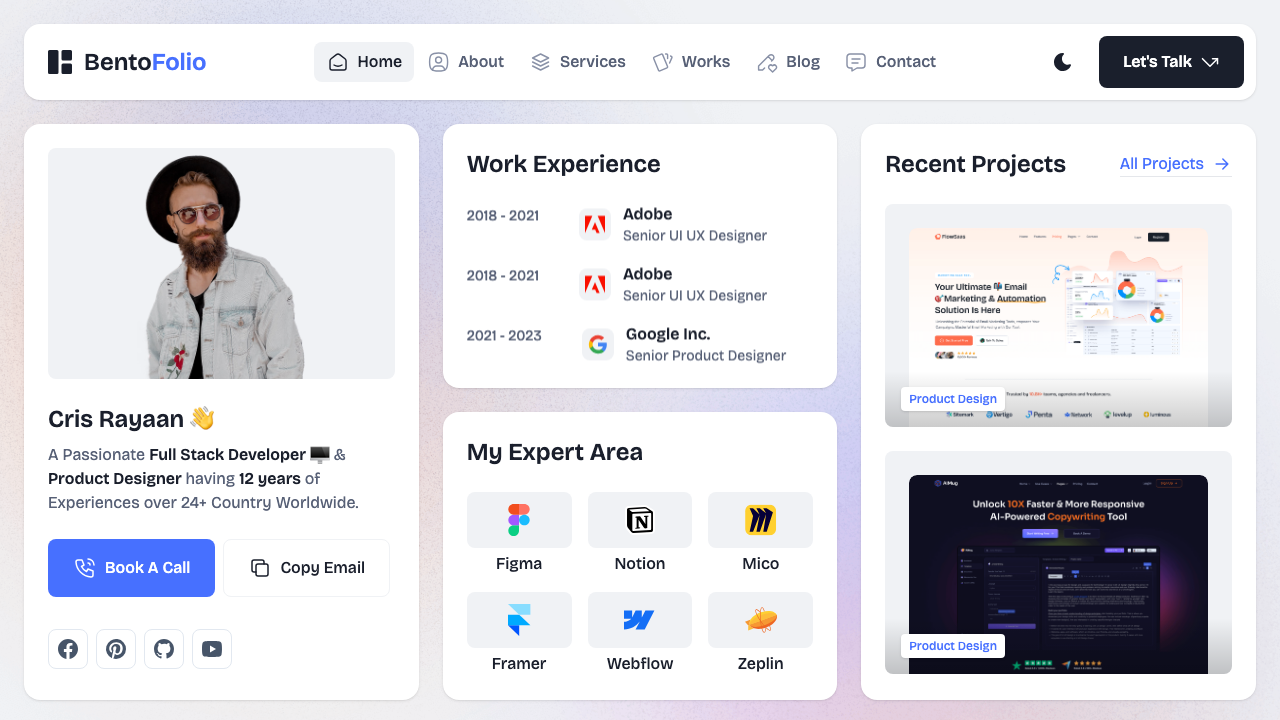
Why we like it: The bento grid trend, executed well. 30+ UI components, dark/light themes, and a trendy layout style that’s dominating portfolio design in 2026.
Bentofolio rides the bento grid design wave — the same layout pattern that Apple, GitHub, and Linear have popularized. Each portfolio section gets its own card in a responsive grid that rearranges cleanly on mobile. The 30+ pre-built components give you cards for projects, skills, testimonials, contact info, and social links.
The visual style is modern and trendy, which is ideal for designers and creative professionals who need their portfolio to demonstrate an eye for current design patterns. The Tailwind + SCSS combo gives you both utility classes and traditional component styling. At $14, it’s a steal for the design quality.
20. Amara
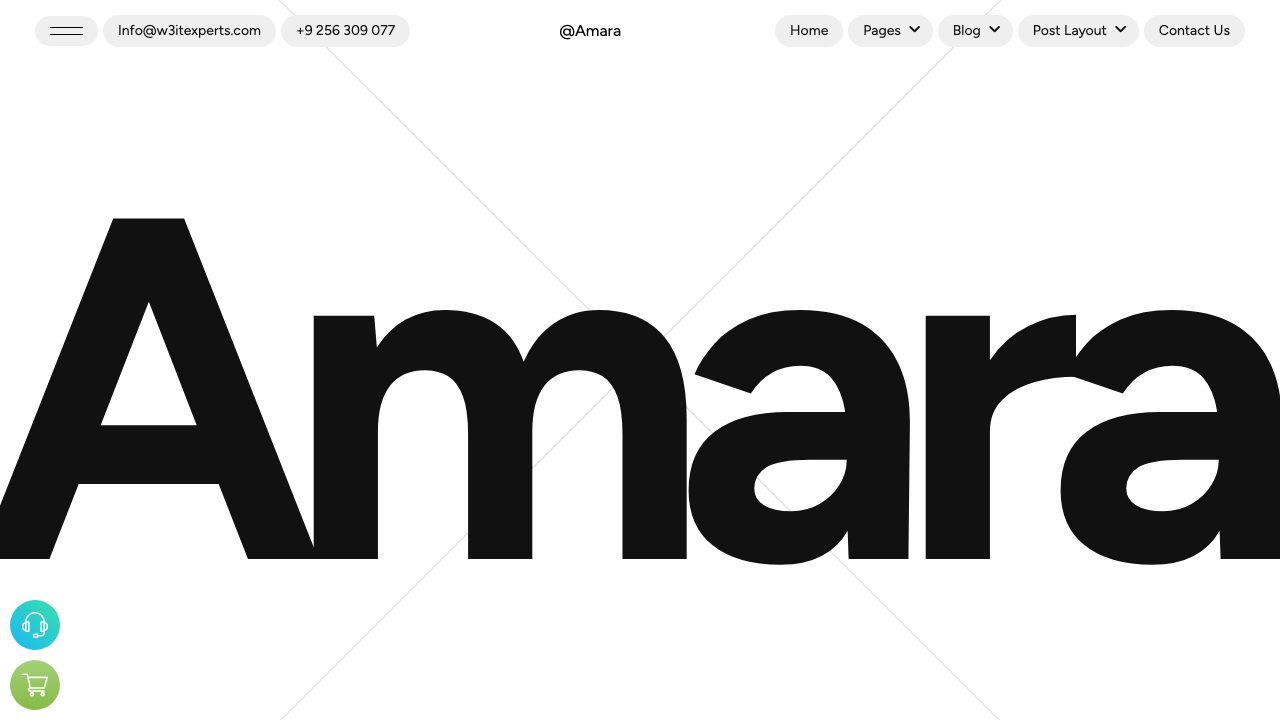
Why we like it: Released February 2026 — built on Tailwind CSS v4.1 from day one. Smooth animations, contemporary minimal aesthetic, designed for agencies and studios.
Amara is the newest template on this list, released in February 2026 with Tailwind CSS v4.1. The design is contemporary minimal — clean lines, generous whitespace, and purposeful animations that enhance rather than distract. Designed specifically for agencies, studios, and freelancers who serve premium clients.
Being built on Tailwind v4 from the start means no migration headaches — the CSS is native @layer-based with the latest Tailwind features. The animations are smooth and performant, using CSS transitions rather than heavy JavaScript libraries. If you want the most current design language and tech stack, Amara is it.
How to Choose
Match the template to your role and what you need to showcase:
- Software engineers: leerob.io, DevPortfolio, or brittanychiang.com — clean designs that let projects and experience speak
- Creative developers: JS Mastery or craftzdog-homepage — 3D elements and animations that demonstrate frontend skills
- Technical writers: Astro Paper or braydoncoyer.dev — blog-first portfolios for developers who write
- Vue/Nuxt developers: Canvas (Nuxt 3) or Vue.js Tailwind Portfolio (standalone Vue)
- Designers + creatives: Bentofolio (bento grid) or Gerold (10 home pages, multi-format)
- Agencies + freelancers: ScrewFast (free, Astro) or Amara (premium, Tailwind v4)
For the fastest path to a live portfolio: Astro templates (AstroWind, DevPortfolio, Astro Paper, Astrofy) generate fully static sites that deploy instantly to any CDN. For dynamic features like view counts, guestbooks, or newsletters: Next.js templates (leerob.io, braydoncoyer.dev) with a Vercel + database setup give you the most flexibility. And if you need a polished front page for your project, our React landing page templates roundup has strong options.
You Might Also Like