
16 Best Free Hugo Themes & Templates 2026
Hugo is the fastest static site generator available, compiling thousands of pages in milliseconds thanks to its Go-based engine. With over 80,000 GitHub stars and zero Node.js dependencies, it’s the top choice for developers who want a rock-solid, dependency-free publishing workflow.
We’ve ranked 16 free, open-source Hugo themes by GitHub stars to give you a clear picture of community adoption. Each entry covers the CSS framework, license, maintenance status, and practical trade-offs so you can pick the right theme without reading walls of text.
Best Free Hugo Themes & Templates
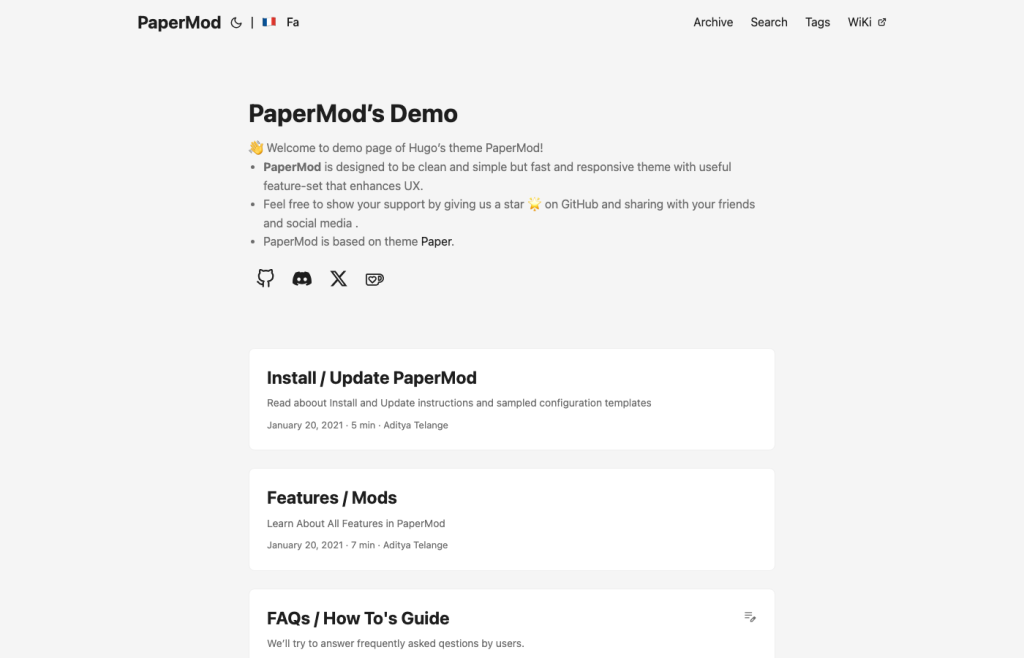
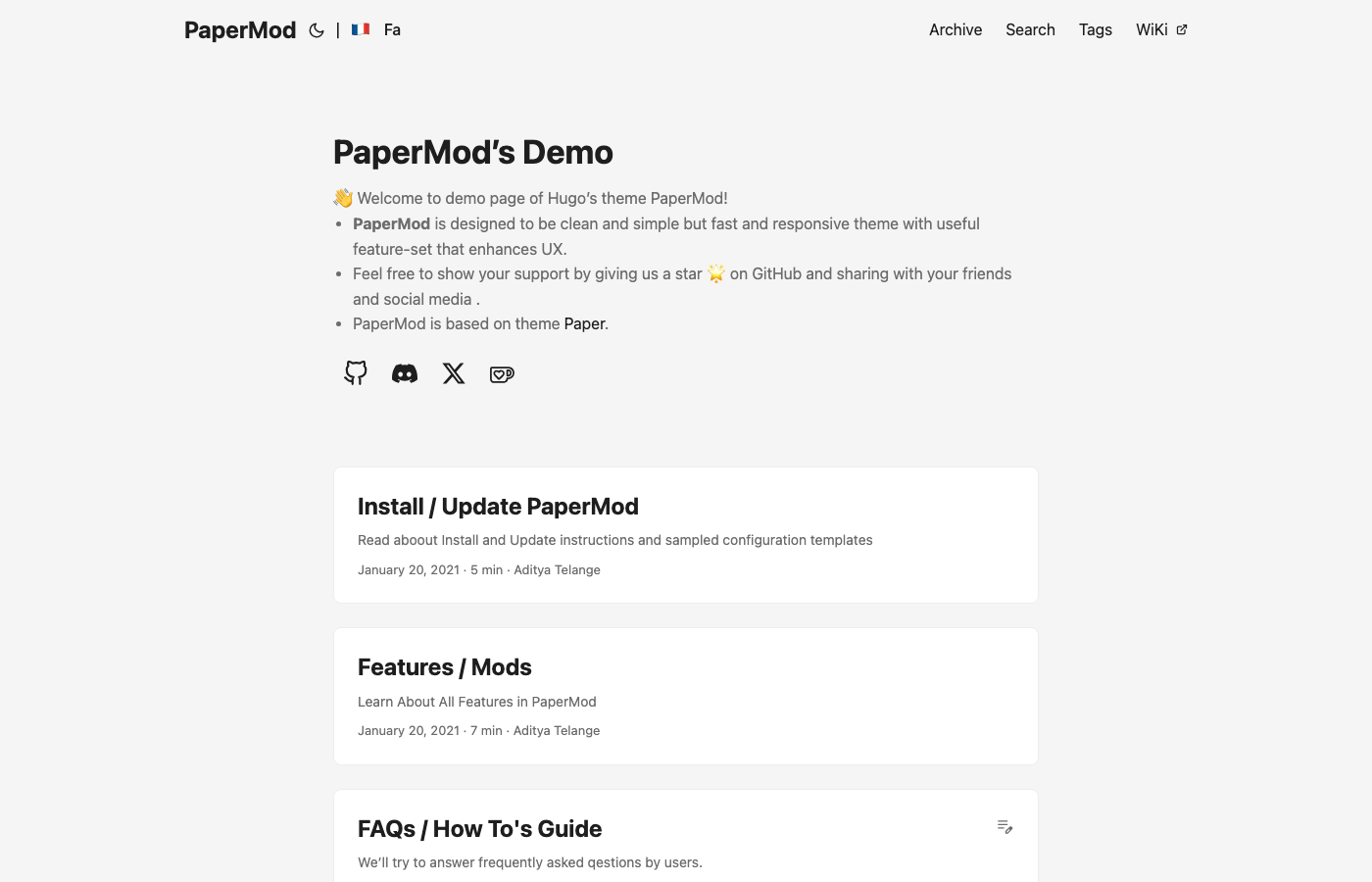
1. PaperMod
⭐ 13,085 GitHub Stars
Category: Blog / Portfolio | CSS: Custom CSS | License: MIT
The most popular Hugo theme by a wide margin. Ships with zero JS build tooling yet includes three layout modes, Fuse.js search, i18n, cover images, breadcrumbs, auto table of contents, and light/dark mode with system preference detection. Actively maintained as of early 2026 with near-perfect PageSpeed scores.
Best for: Developers who want a fast, dependency-free blog that just works out of the box with sensible defaults.
2. Hugo Blox (formerly Wowchemy)
⭐ 9,986 GitHub Stars

Category: Academic / Portfolio | CSS: Tailwind CSS | License: MIT
A modular block/widget system adopted by NVIDIA, MIT, Stanford, and Harvard across 150,000+ websites. Features Jupyter notebook rendering, BibTeX/DOI citation management, dark mode, multilingual support, and built-in search. Steeper learning curve than simple blog themes, but nothing else matches it for academic use cases.
Best for: Academics and researchers who need citation management, publication lists, and structured portfolio layouts.
3. Stack
⭐ 6,247 GitHub Stars
Category: Blog | CSS: Custom SCSS | License: GPL-3.0
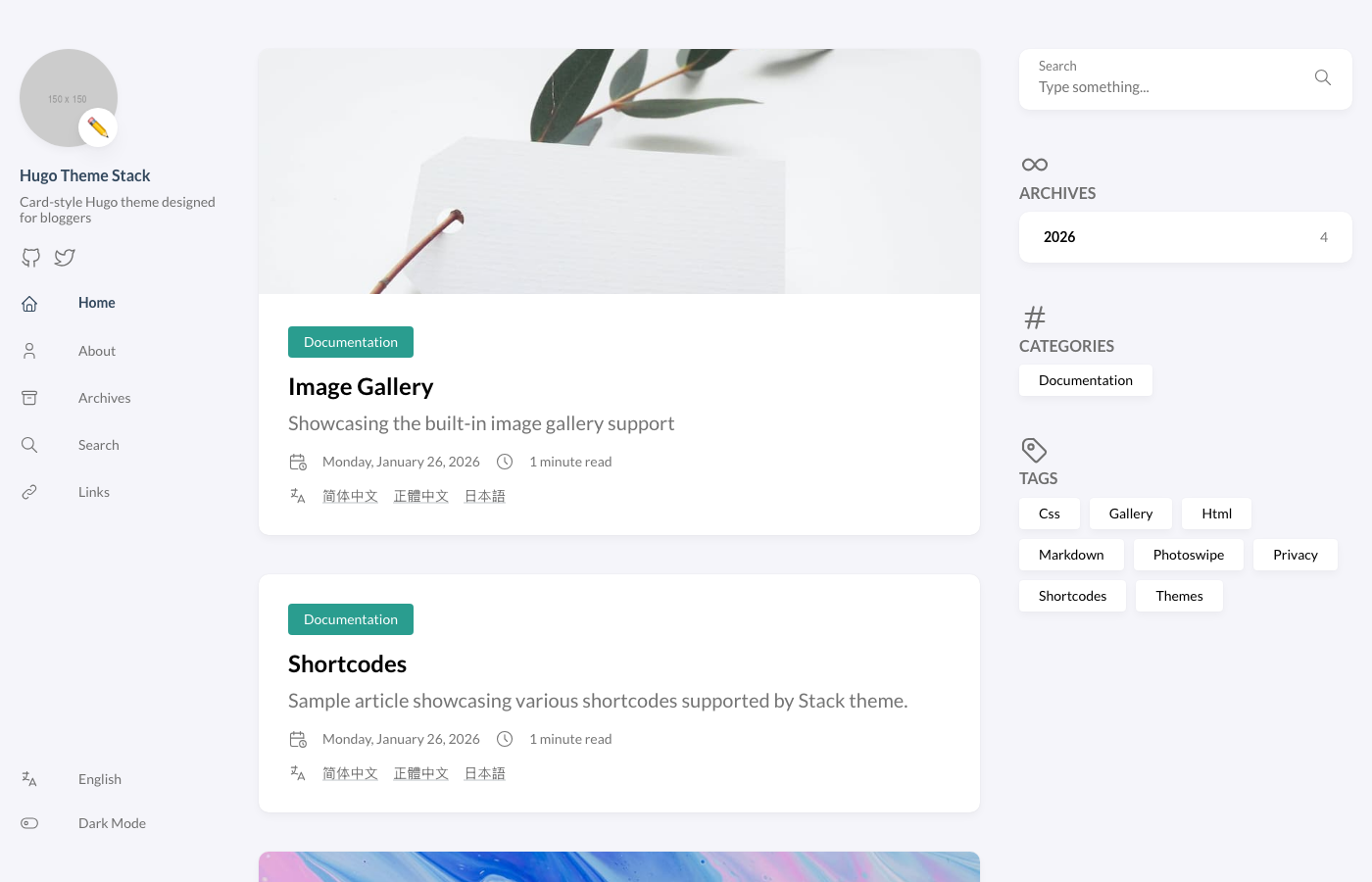
A distinctive card-based layout where every post is a visual card with cover images, making the homepage feel like a curated magazine. Includes sidebar widgets, built-in search, PhotoSwipe galleries, and polished dark mode. Note the GPL-3.0 license — derivative works must also be open-source.
Best for: Visual bloggers who want a magazine-style card layout with rich image support.
If you’re building admin panels alongside your static sites, our roundup of the best Tailwind admin dashboard templates covers the broader ecosystem including React, Vue, and framework-agnostic options.
4. Book
⭐ 3,941 GitHub Stars
Category: Documentation | CSS: Custom SCSS | License: MIT
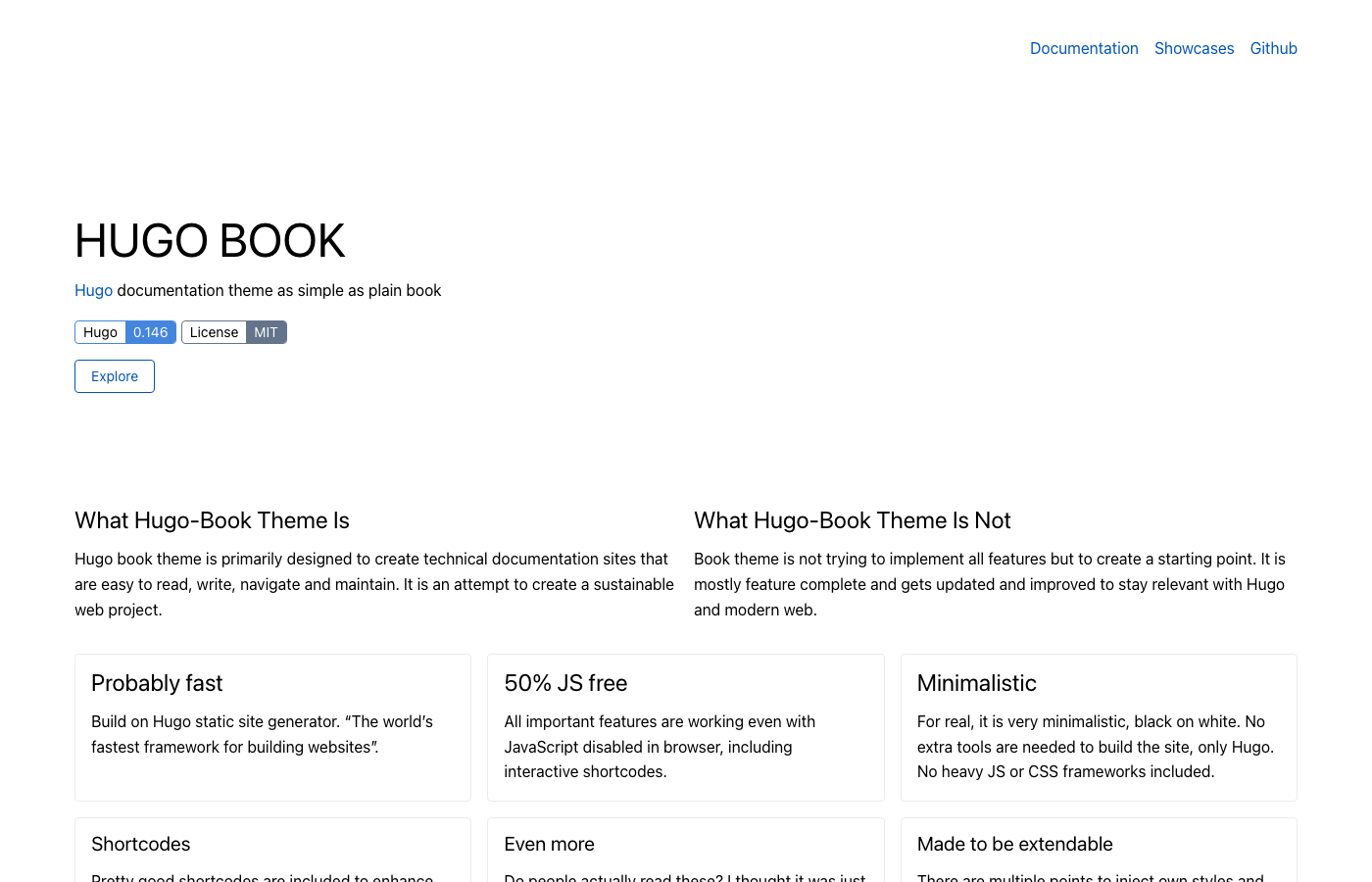
Turns Markdown into a clean, book-like documentation site with collapsible sidebar navigation, per-page table of contents, and FlexSearch. Ships with rich shortcodes for buttons, columns, tabs, hints, Mermaid diagrams, and KaTeX math. Works fully without JavaScript — competes with GitBook and Docusaurus minus the Node.js dependency chain.
Best for: Open-source project docs, internal knowledge bases, and any hierarchically structured content.
5. LoveIt
⭐ 3,791 GitHub Stars

Category: Blog | CSS: Custom SCSS/JS | License: MIT
One of the most feature-dense Hugo themes: 23+ languages, 9 comment systems, 27 social share options, KaTeX, Mermaid, ECharts, music player, and 99/100 PageSpeed. However, the project is in maintenance-only mode since September 2025 — for active development, see its fork FixIt (#16).
Best for: Feature-hungry bloggers who want maximum integrations, provided they accept a mature but no-longer-active codebase.
6. Coder
⭐ 3,027 GitHub Stars
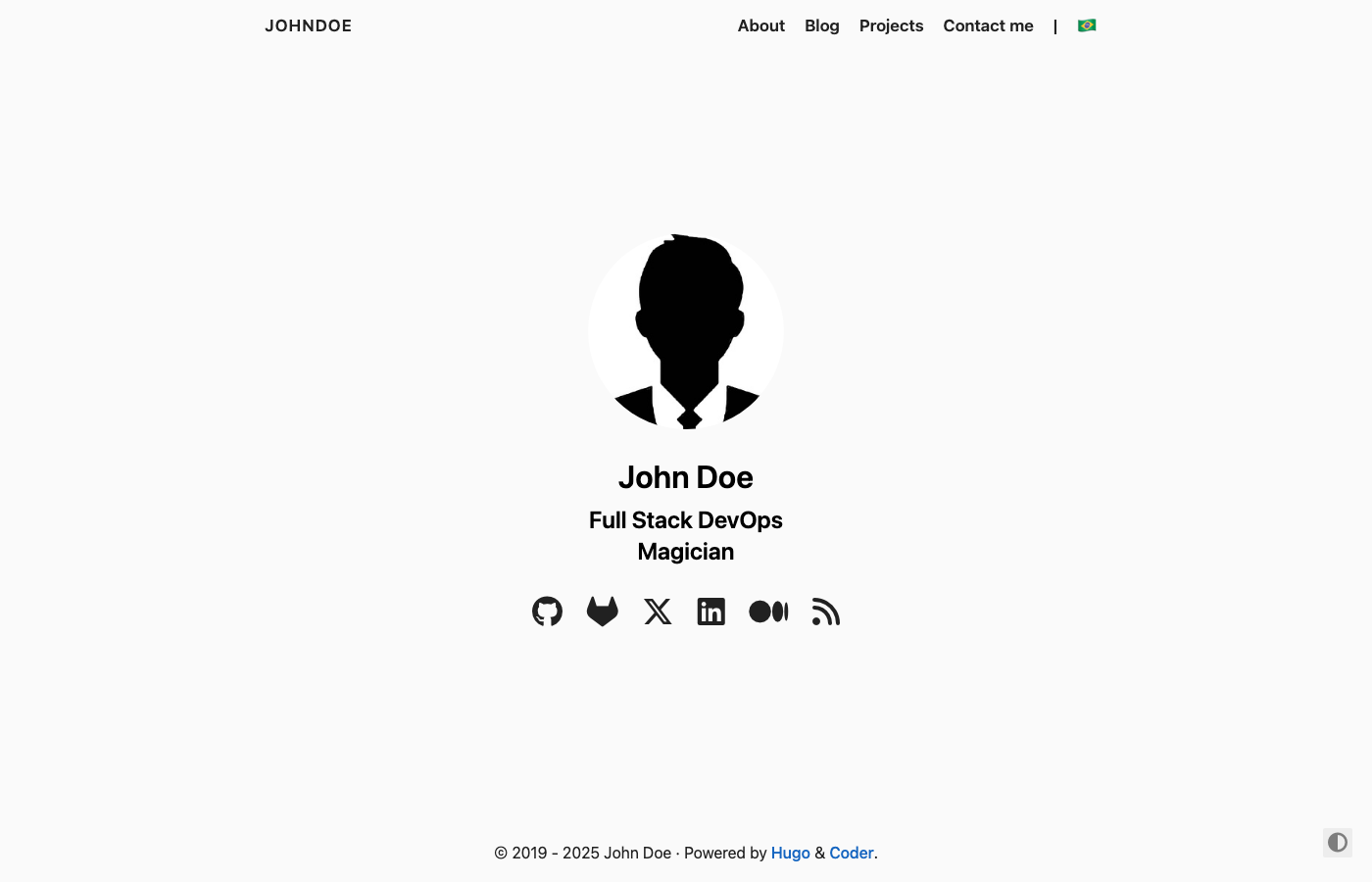
Category: Blog / Personal | CSS: Custom SCSS | License: MIT
Intentionally sparse design: clean typography, generous whitespace, zero visual clutter. No card layouts, no hero images, no widget sidebars — just content, navigation, and social links. Dark mode and multilingual support built in, with 178 contributors ensuring stability and edge-case coverage.
Best for: Developers who want a clean, fast personal site that stays completely out of the way.
7. Docsy
⭐ 2,897 GitHub Stars
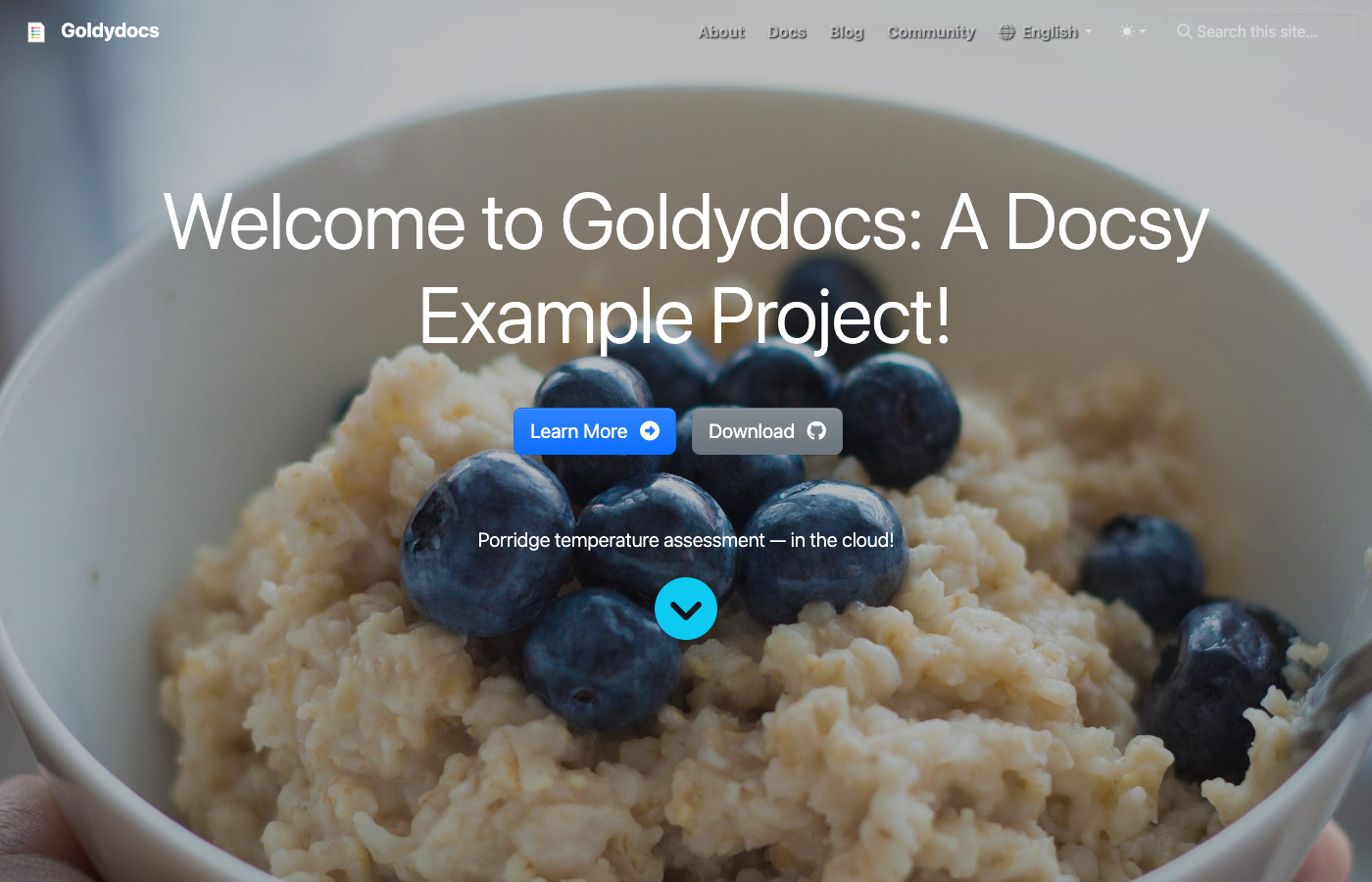
Category: Documentation | CSS: Bootstrap 5 | License: Apache-2.0
Google’s open-source documentation theme, powering docs for Kubernetes, gRPC, Istio, and Knative. Purpose-built for large-scale technical docs with multi-level sidebar navigation, versioned documentation, API reference layouts, dark mode, and i18n. Heavier than Book or Hextra due to Bootstrap, but backed by Google engineers with an enterprise-friendly Apache-2.0 license.
Best for: Enterprise and open-source projects needing hierarchical navigation, versioning, and proven large-scale documentation structure.
Building web applications alongside your documentation sites? Check out our guide to the best Next.js admin dashboard templates for full-stack admin panel options.
8. Terminal
⭐ 2,675 GitHub Stars
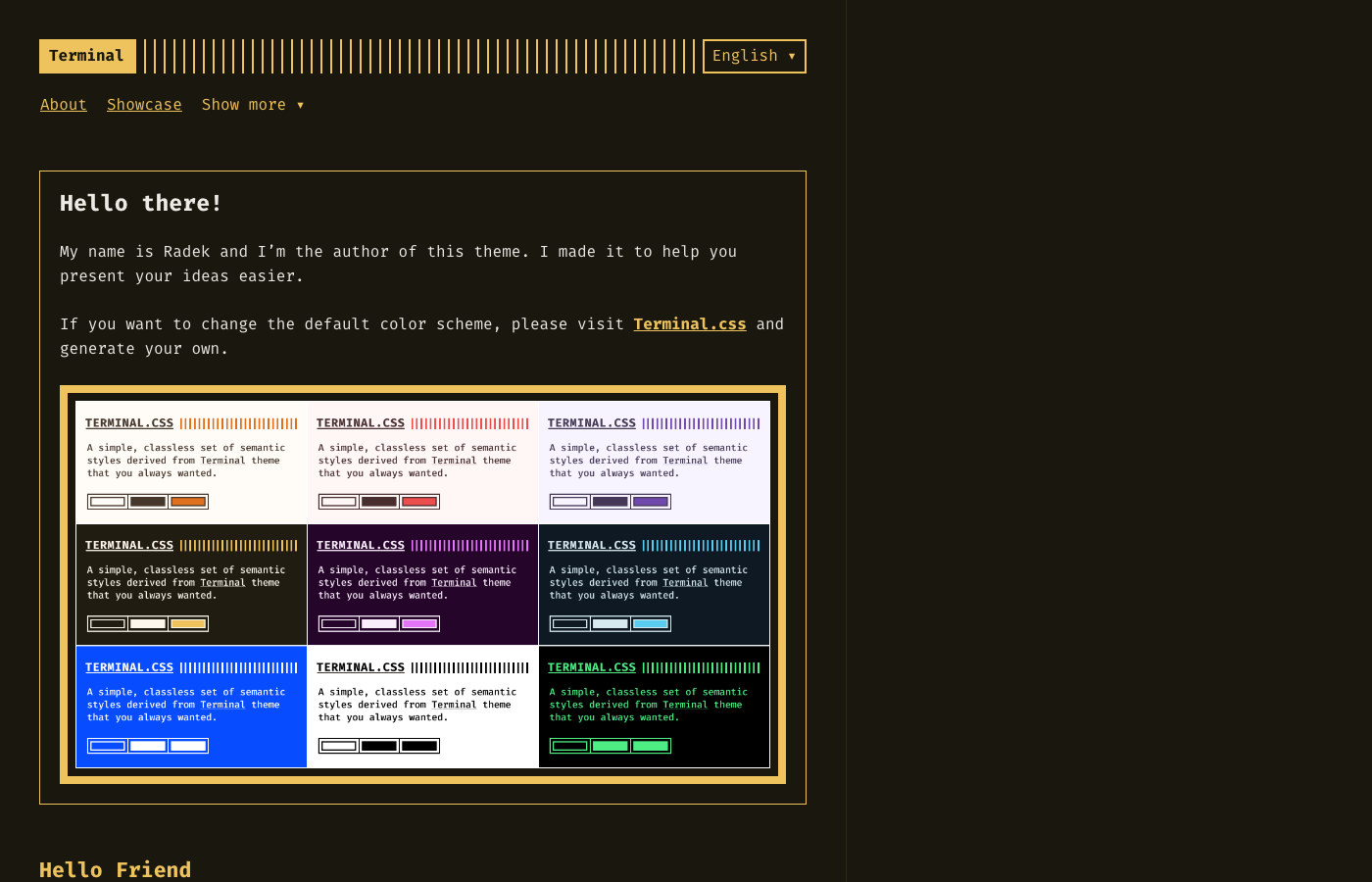
Category: Blog / Personal | CSS: Terminal.css | License: MIT
Retro terminal aesthetic with Fira Code monospace font, Chroma syntax highlighting, and duotone color styling. Includes an interactive color creator tool for custom palettes without touching CSS. Intentionally limited to blog posts, pages, and basic navigation — no widget systems or complex layouts.
Best for: Developers who want a blog with genuine personality and a terminal aesthetic that stands apart from the typical minimal look.
9. Blowfish
⭐ 2,603 GitHub Stars
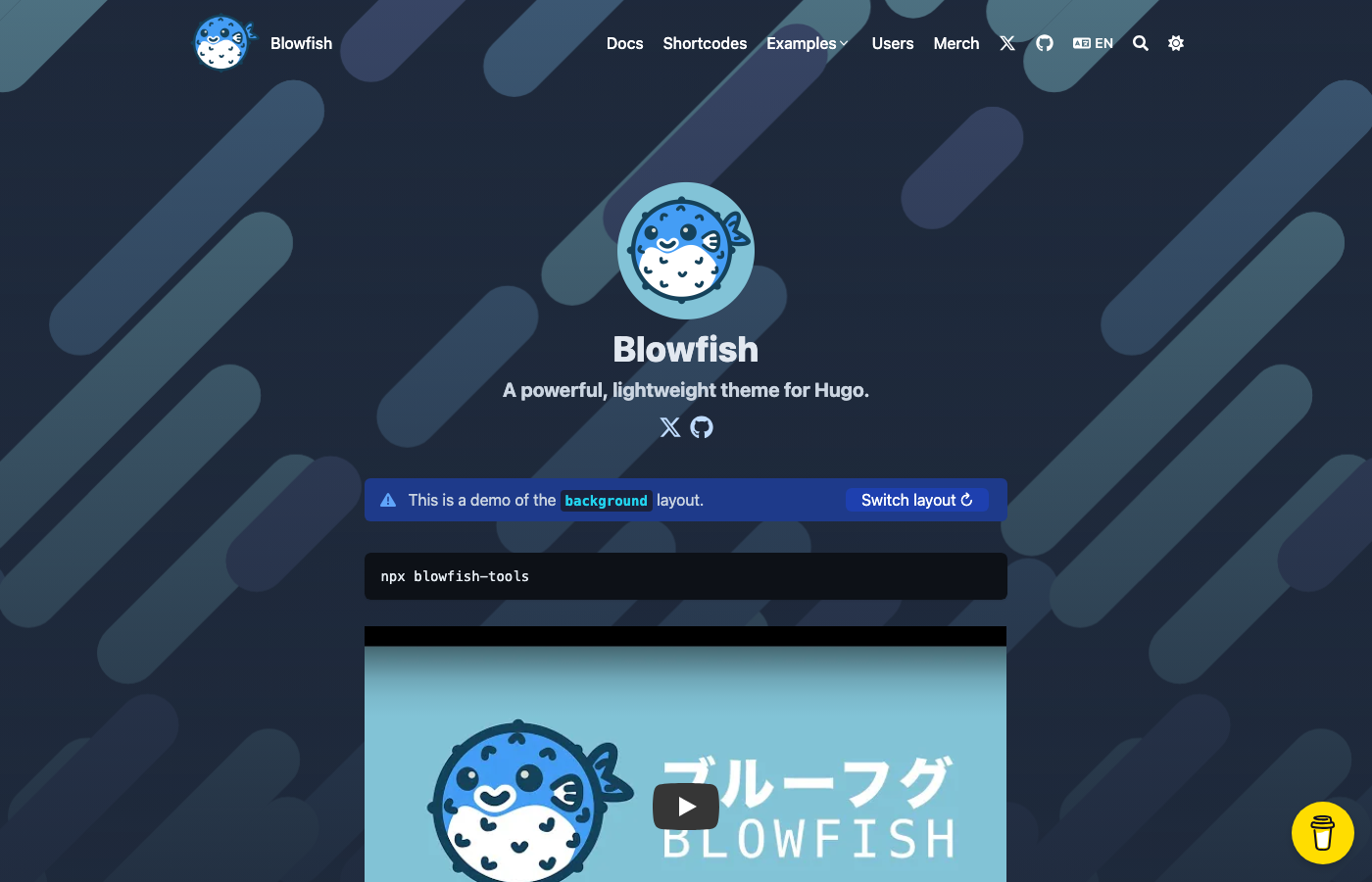
Category: Blog / Personal | CSS: Tailwind CSS 3 | License: MIT
One of the most actively developed Hugo themes in 2026. Built on Tailwind CSS 3 with dark mode, Fuse.js search, RTL support, Firebase view counters and likes, zen reading mode, image galleries, timeline layouts, and Mermaid/Chart.js/KaTeX rendering. Excellent documentation at blowfish.page.
Best for: Bloggers who want modern Tailwind styling with interactive elements like view counts and likes, sitting between PaperMod’s simplicity and Hugo Blox’s complexity.
10. Paper
⭐ 2,376 GitHub Stars
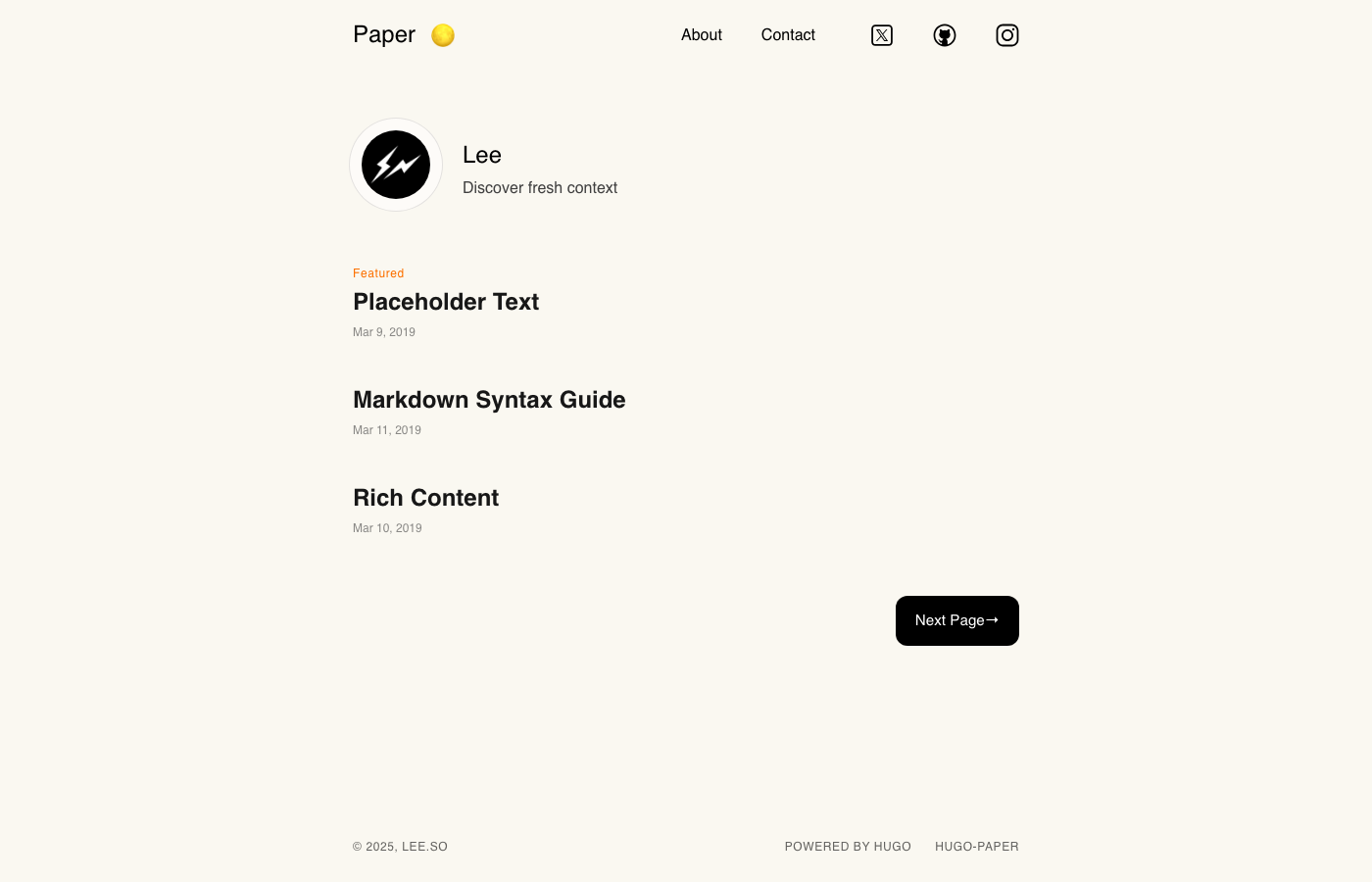
Category: Blog | CSS: Custom CSS/PostCSS | License: MIT
Ruthlessly minimalist with four curated color schemes (linen, wheat, gray, light), RTL support, and comments via Disqus, Giscus, or Graph Comment. Social links include modern platforms like Bluesky, Mastodon, and Threads. If PaperMod feels like too much, Paper is the further-distilled alternative.
Best for: Writers who want their content to be the entire focus, with zero visual noise and maximum readability.
11. Doks (Thulite)
⭐ 2,329 GitHub Stars
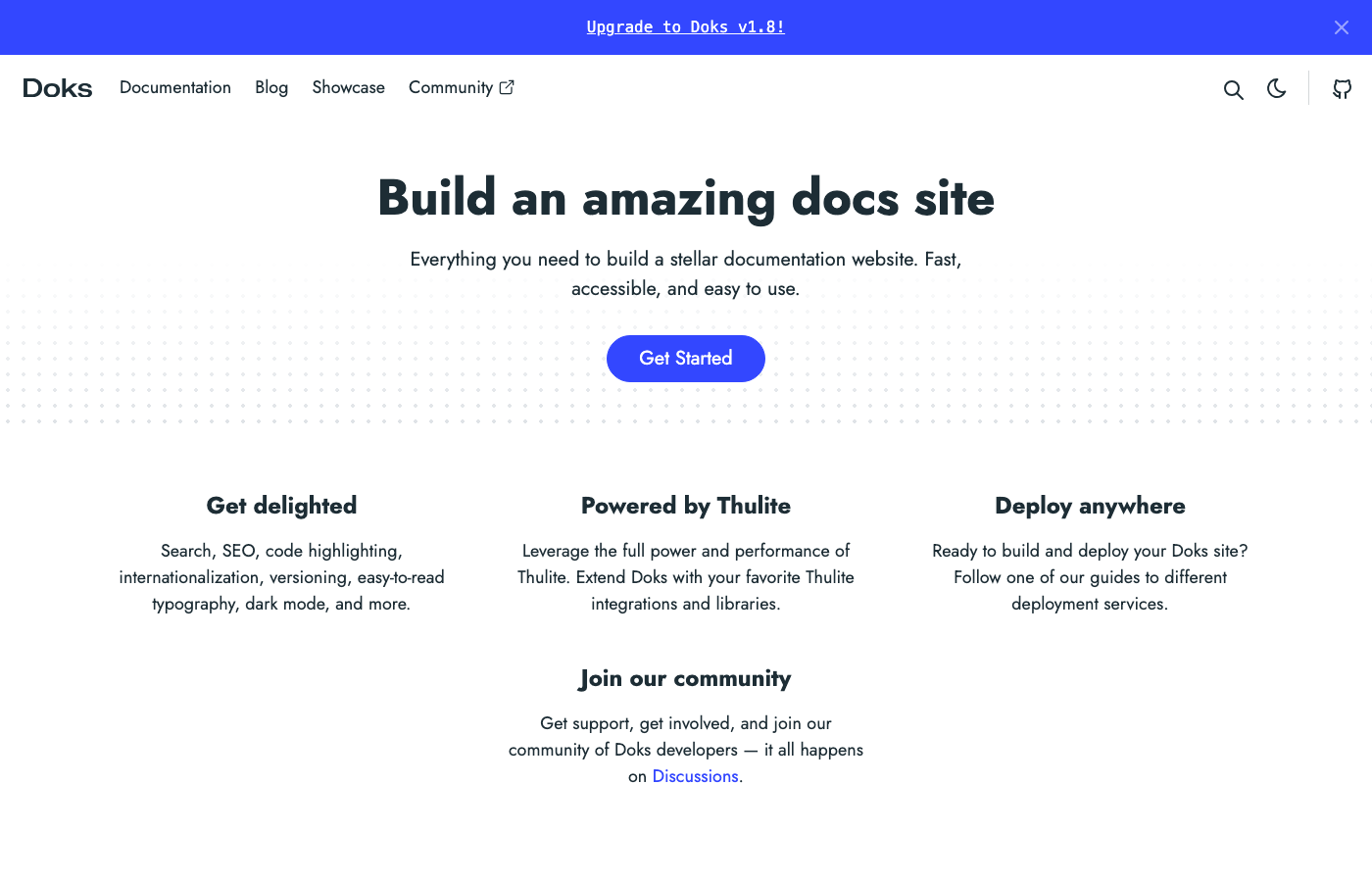
Category: Documentation | CSS: Thulite Design System | License: MIT
Part of the Thulite ecosystem, set up through npm rather than as a standalone Hugo theme. Includes FlexSearch, dark/light mode, syntax highlighting with copy buttons, multilingual support, and versioned docs. Note: requires Node.js, which departs from Hugo’s zero-dependency philosophy.
Best for: Teams already using npm who want Hugo’s speed with an opinionated, toolchain-integrated documentation pipeline.
For admin dashboards with a modern component-driven approach, our collection of the best shadcn admin dashboard templates covers options across React, Next.js, and other frameworks.
12. Hextra
⭐ 1,949 GitHub Stars
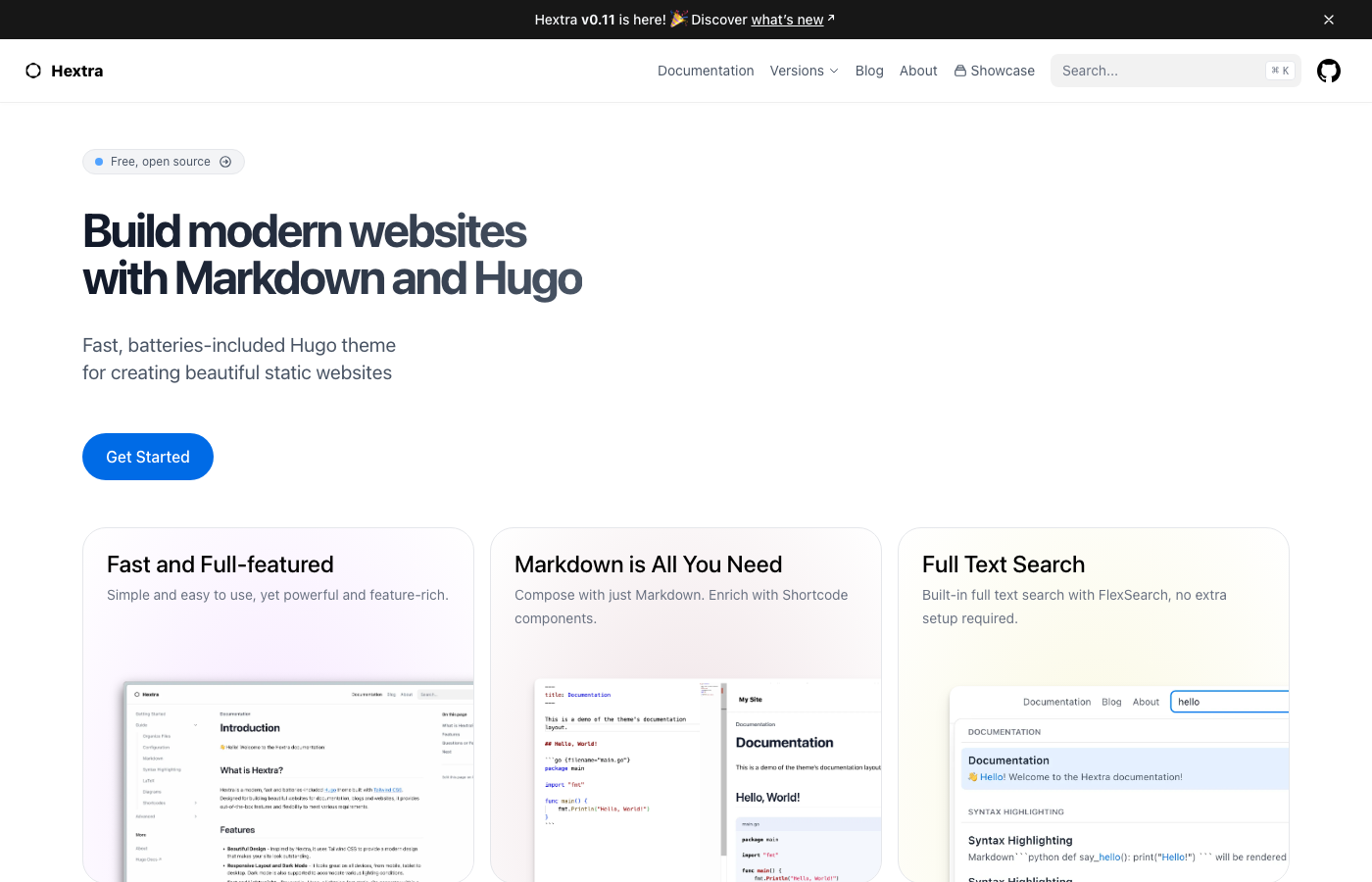
Category: Docs / Blog | CSS: Tailwind CSS | License: MIT
Brings Nextra’s clean aesthetic to Hugo without requiring Node.js. Features a responsive collapsible sidebar, auto table of contents, breadcrumbs, pagination, and FlexSearch. A rising star growing rapidly in 2025-2026, offering modern docs without Bootstrap’s weight or a Node.js dependency chain.
Best for: New docs sites that want a current, polished Tailwind look without complexity or JavaScript build tooling.
13. Congo
⭐ 1,584 GitHub Stars
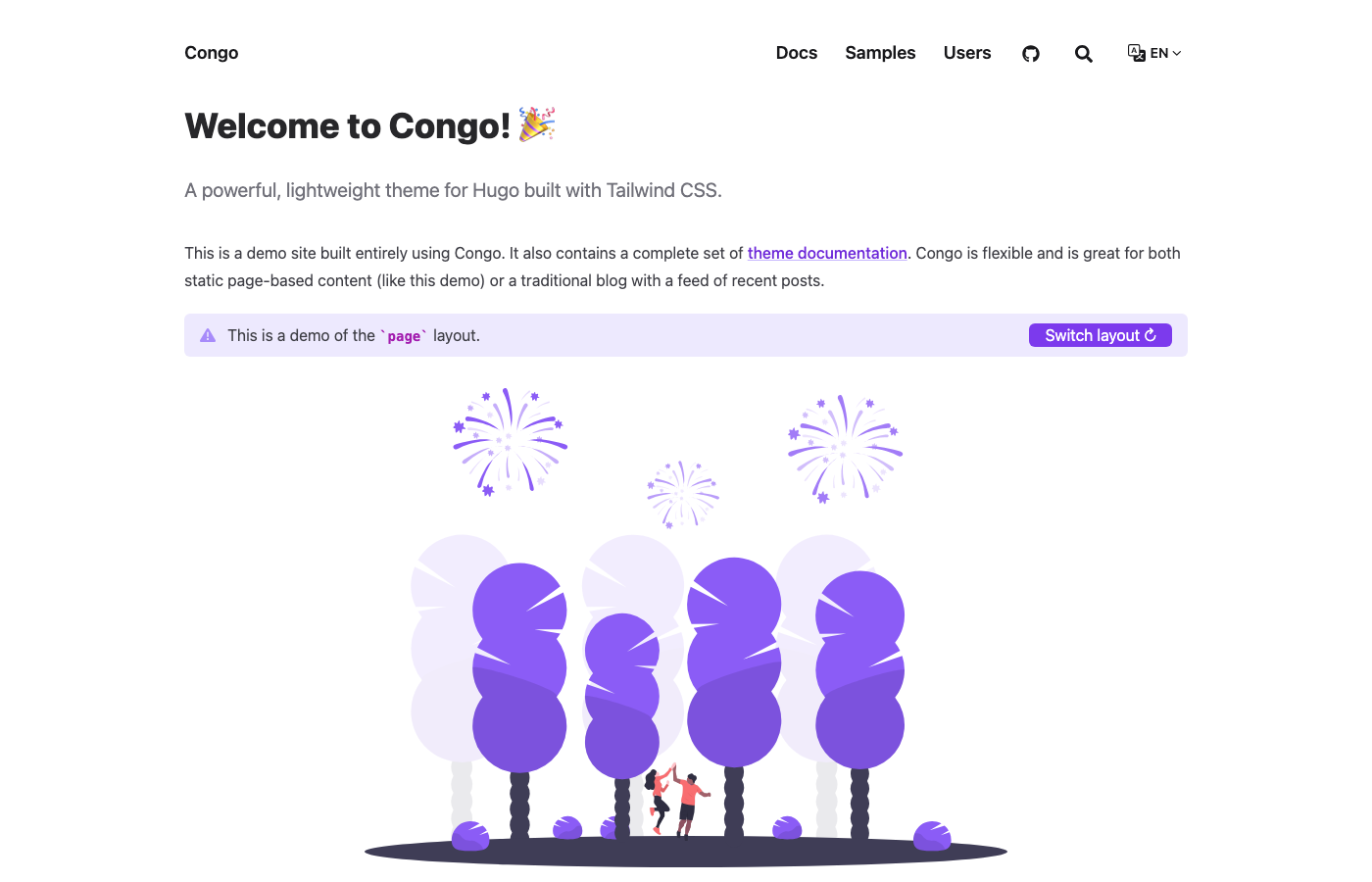
Category: Blog / Personal | CSS: Tailwind CSS 3 | License: MIT
Blowfish’s closest competitor in the Tailwind Hugo space. Multiple color schemes, dark mode, Fuse.js search, RTL support, Mermaid/Chart.js/KaTeX rendering, and FontAwesome 6 icons. Standout metric: consistently achieves perfect 100/100 Lighthouse scores across all categories.
Best for: Developers who want Tailwind styling with measurably perfect performance scores and a restrained, content-focused design.
14. Ananke
⭐ 1,357 GitHub Stars
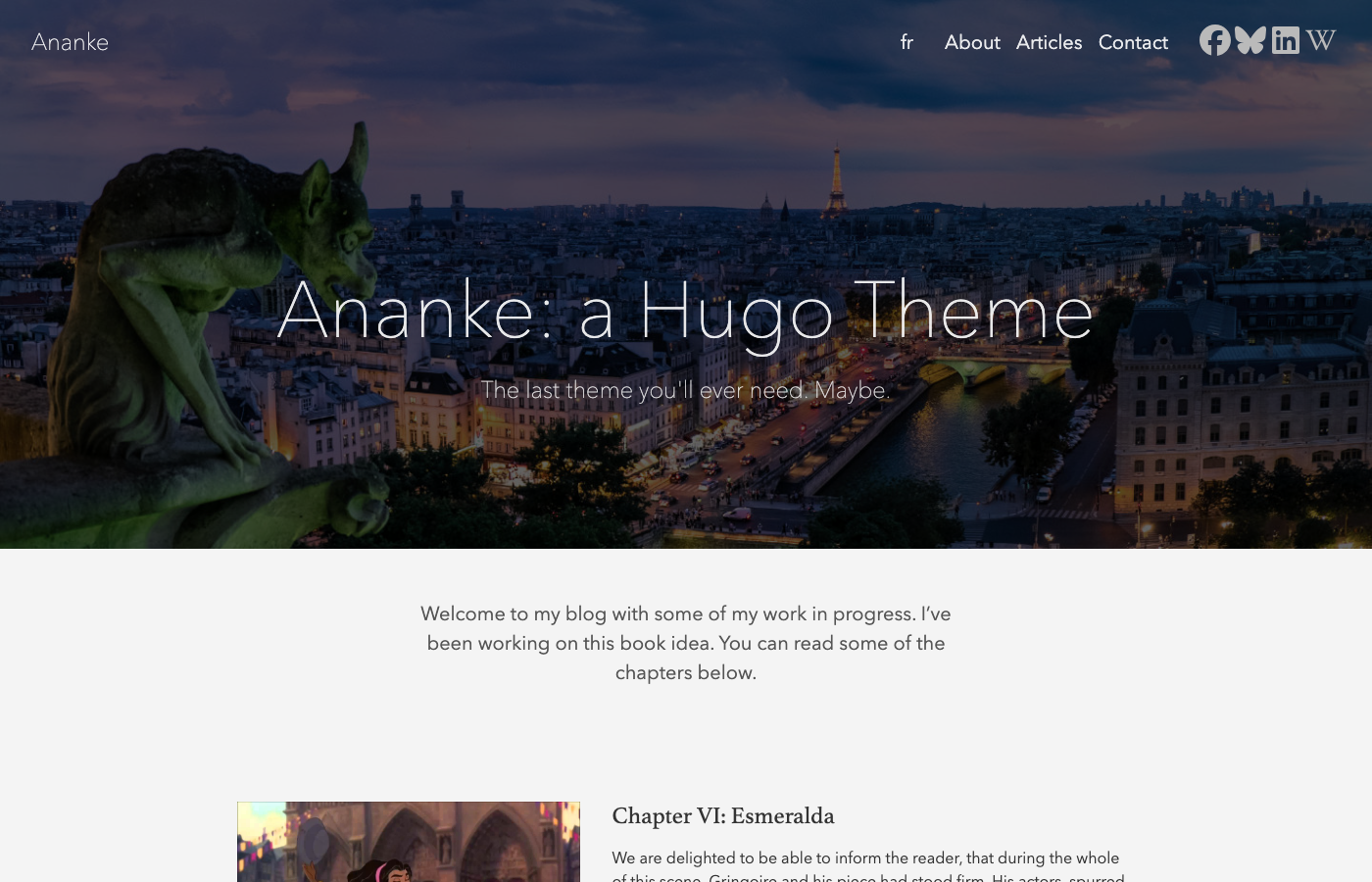
Category: Blog / Starter | CSS: Tachyons CSS | License: MIT
The official Hugo Quick Start theme, recommended in Hugo’s own documentation. Built on Tachyons CSS (utility-first, predating Tailwind) with responsive design, Formspree contact forms, and sensible typography defaults. Maintained by The New Dynamic, guaranteeing compatibility with the latest Hugo releases.
Best for: Hugo beginners, site prototyping, or straightforward blogs where you want to customize incrementally from a simple base.
Looking for admin panels to complement your static sites? Our guide to the best Vue admin dashboard templates covers options from lightweight dashboards to full enterprise solutions.
15. Toha
⭐ 1,219 GitHub Stars
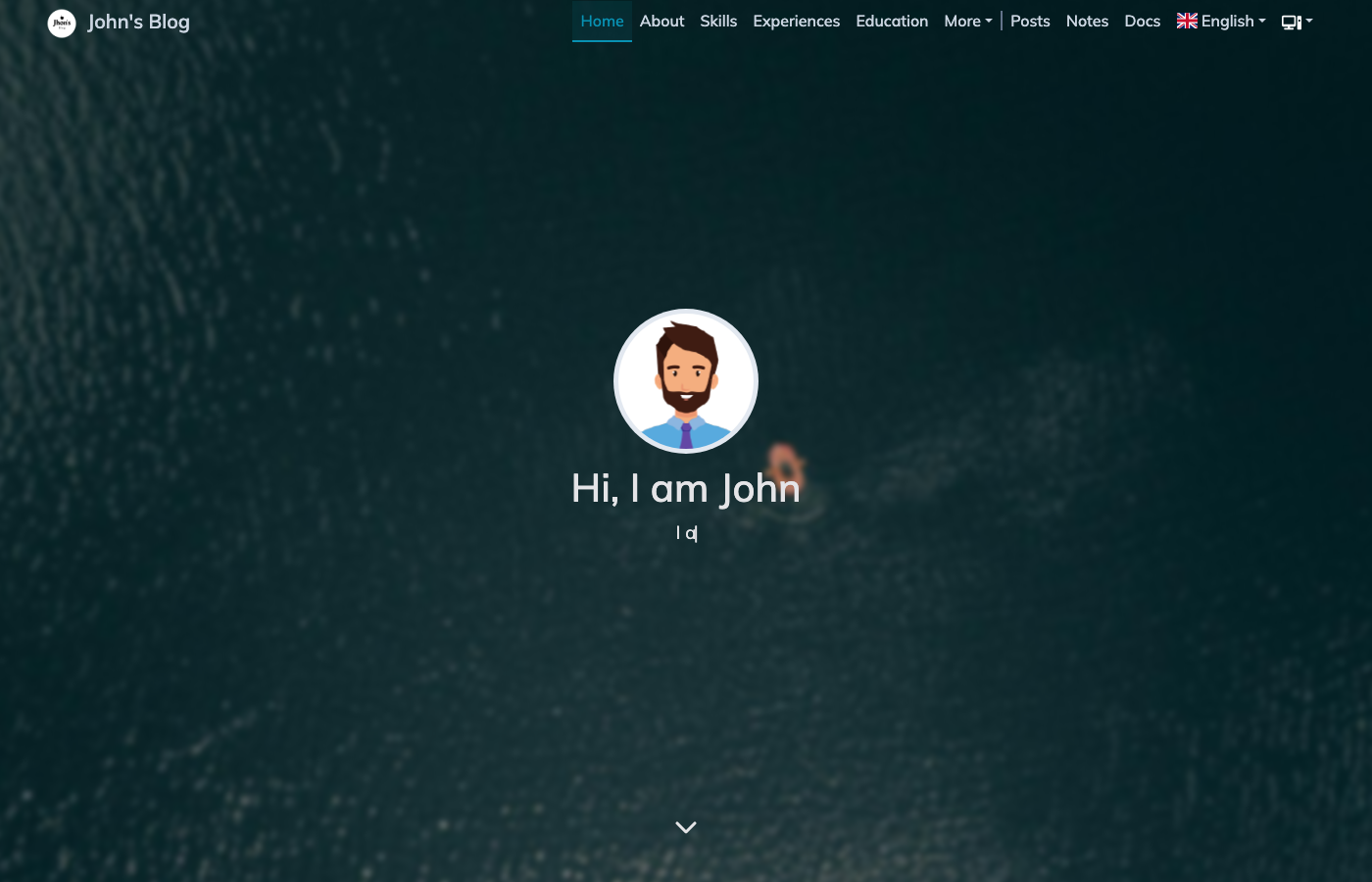
Category: Portfolio / Resume | CSS: Bootstrap SCSS | License: MIT
Purpose-built for developer portfolios and online resumes with dedicated sections for skills, work experience (interactive timeline), projects, education, and achievements — all as a polished single-page site. Supports 22+ languages and analytics integration. Works best when all sections are fully populated.
Best for: Developers and professionals who want a comprehensive online CV with structured, resume-friendly layouts beyond a simple blog.
16. FixIt
⭐ 1,076 GitHub Stars
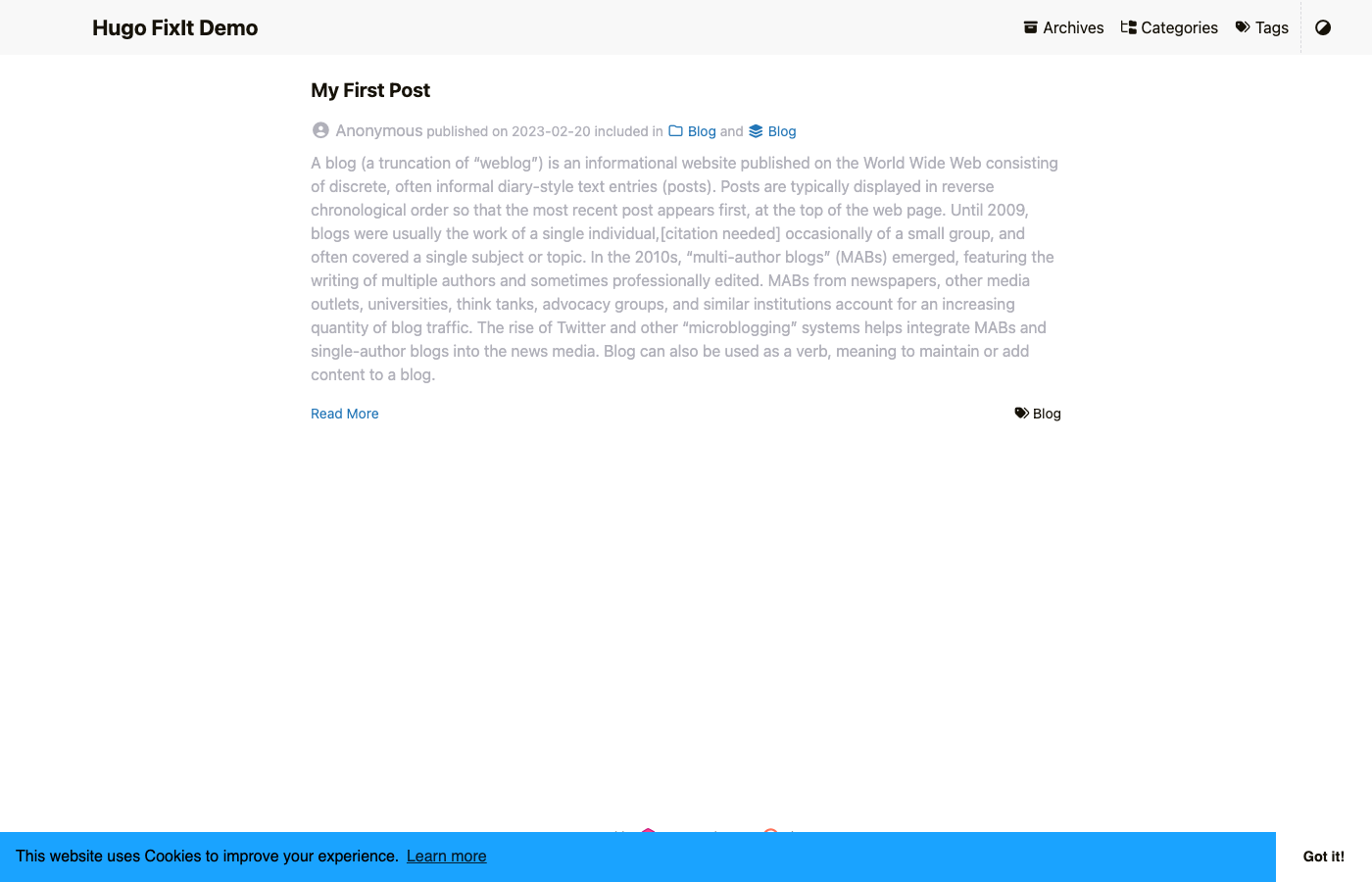
Category: Blog | CSS: Custom SCSS | License: MIT
The actively maintained successor to LoveIt (#5). Inherits 99/100 PageSpeed, 87 social link options, and 28 share integrations, then adds PWA support, content encryption, and AI-powered auto summaries and search. Frequent commits in early 2026 make it the clear choice over the now-dormant LoveIt.
Best for: Feature maximalists who want every integration option, active maintenance, and cutting-edge AI-powered functionality.
Hugo’s theme ecosystem in 2026 is mature, diverse, and remarkably well-maintained. From PaperMod’s elegant simplicity to Hugo Blox’s academic powerhouse to FixIt’s feature-maximalist approach, there’s a theme for every use case. The common thread is performance — Hugo’s Go engine ensures every theme builds in seconds and serves pages faster than virtually any JavaScript alternative. Bookmark this page — we’ll update it as the ecosystem evolves.
You Might Also Like

Comments (No Comments)