
20 Popular Websites Built With Django (2026)

Django powers some of the most-visited sites on the internet — but these lists are also full of myths. We checked engineering blogs, open-source repositories and conference talks to confirm which household names actually run on Django, and quietly dropped the ones that don’t (sorry, Spotify).
Below are 20 popular websites and apps genuinely built with Django, what each one uses it for, and — importantly — whether that usage is present-day or historical. A few big names run Django through Wagtail, the Django-based CMS; we’ve flagged those too.
Why do so many high-traffic products pick Django in the first place? It’s “batteries-included” (ORM, authentication, admin, migrations and security defaults), it has been proven at massive scale, and it rides Python’s enormous data and machine-learning ecosystem. Want to build on it yourself? See our guides to the best Django website templates and Django admin dashboard templates.
Websites Built With Django at a Glance
| Company | Category | How they use Django |
|---|---|---|
| Social | Massive Django/Python backend at billions of requests | |
| Disqus | Comments | One Django app scaled to ~8B page views/month |
| Sentry | Dev tools | Open-source + SaaS both built on Django |
| Bitbucket | Dev tools | Bitbucket Cloud built on Django since 2008 |
| Eventbrite | Marketplace | Python/Django ticketing backend |
| Zapier | Automation | Django on the HTTP side, Celery for async |
| Robinhood | Fintech | Django backend incl. crypto systems (+ Go) |
| Mozilla | Nonprofit | support & add-ons sites are open-source Django |
| NASA | Science/Gov | nasa.gov runs on Wagtail (Django CMS) |
| NHS (nhs.uk) | Government | 50M+ visits/month on Wagtail (Django) |
Social & Community Platforms
1. Instagram
Still on Django · Social
Instagram runs one of the largest Django deployments on the planet — a massive Django and Python backend serving billions of requests a day. The team is a major contributor to Python performance work (they famously disabled the garbage collector to reclaim roughly 10% of capacity), as detailed on their. If you ever doubted Django can scale, Instagram is exhibit A.
2. Pinterest
Historical · Social

In its explosive growth years, Pinterest’s application layer ran on Python and a heavily modified Django (alongside Tornado), as co-founder Paul Sciarra confirmed. The stack has since diversified, but Django was central to how Pinterest scaled early on.
3. Nextdoor
Still on Django · Social
The neighborhood social network is built on Python and Django — with Jinja2 templates, PostgreSQL, and nginx/uWSGI — per its engineering blog. React powers the frontend and some newer services use Go, but Django remains the core of the serving stack.
4. Disqus
Still on Django · Comments
Disqus scaled a single Django application to serve comments across millions of sites — around 8 billion page views a month at its peak. Its “Scaling Django” writeups are required reading for anyone running Django at serious scale.
Media & Publishing
5. The Washington Post
Django’s birthplace · Media
Django itself was born at The Washington Post: co-creator Adrian Holovaty built it while working in the newsroom, which shipped celebrated Django data-journalism projects from congressional vote databases to interactive features. The paper’s main site now runs on its own Arc XP platform, but this is the framework’s origin story.
6. The Onion
Django-powered · Media
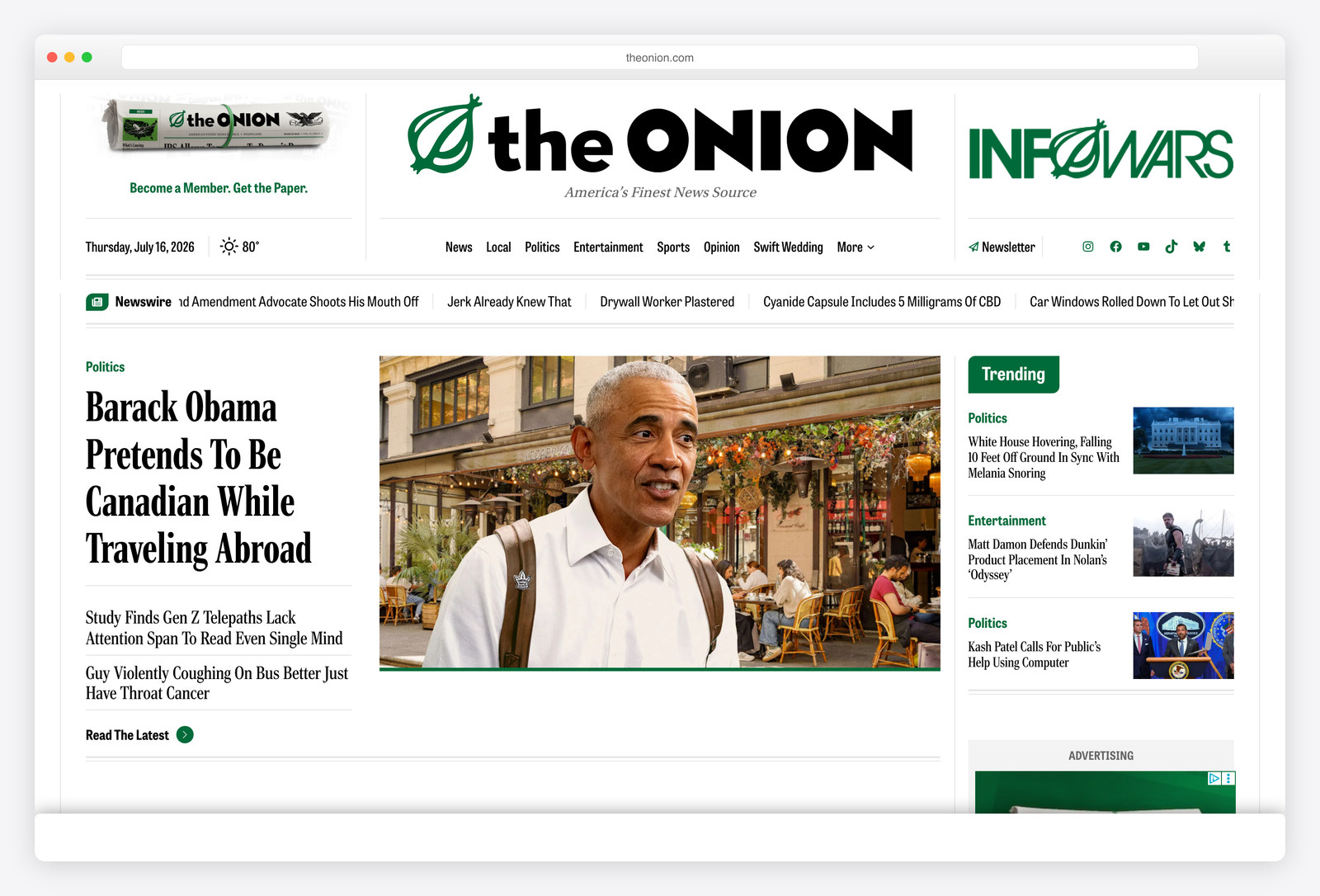
The satirical publisher migrated off a heavily customized Drupal install to Django, citing a preference for a clean, programmer-friendly Python framework — one of the most-cited CMS-migration case studies of its era.
7. National Geographic
Django CMS · Media
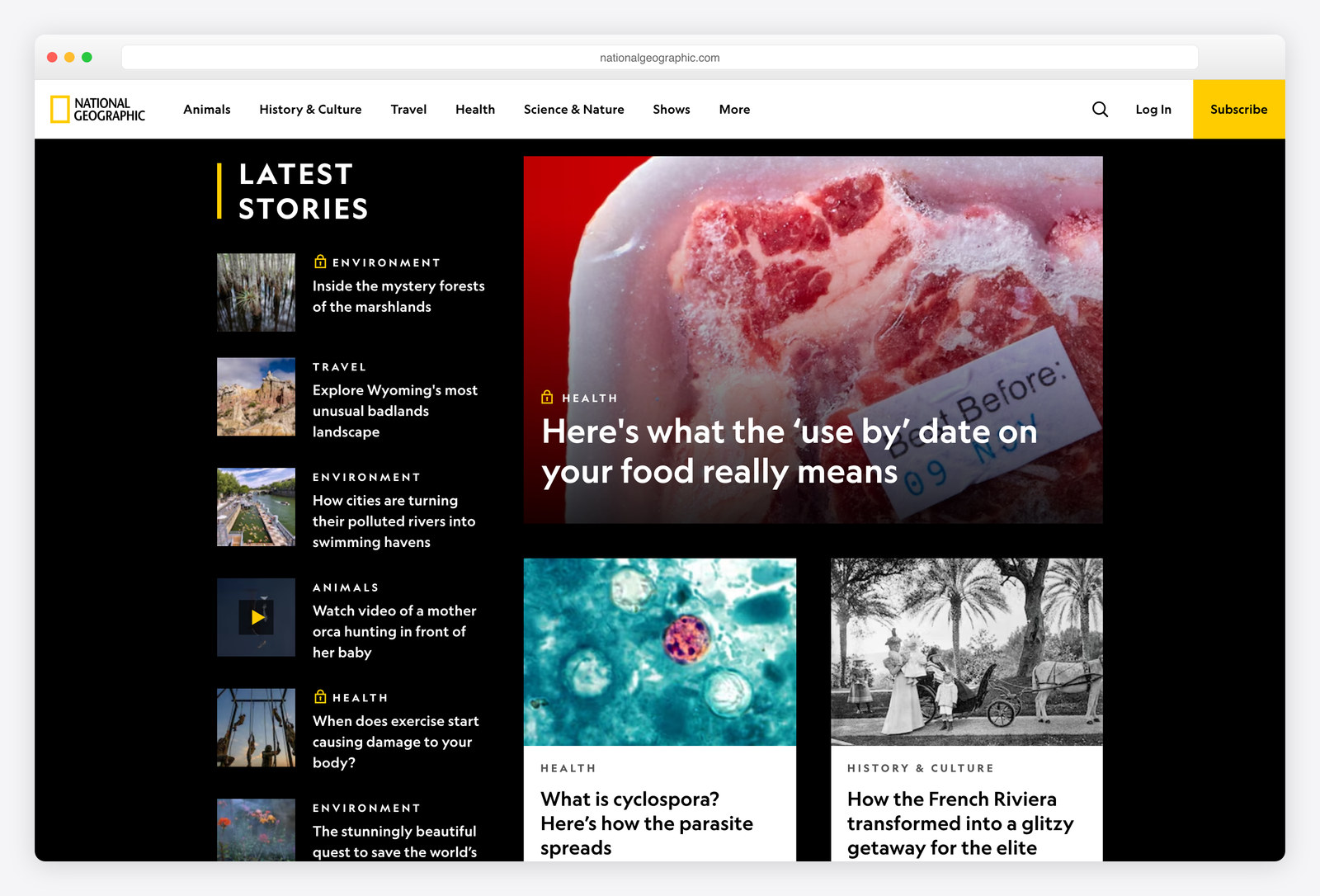
Nat Geo manages content on several properties with Django CMS, the Django-based content management system, and appears among its trusted-by organizations.
Developer Tools
8. Bitbucket
Still on Django · Dev Tools
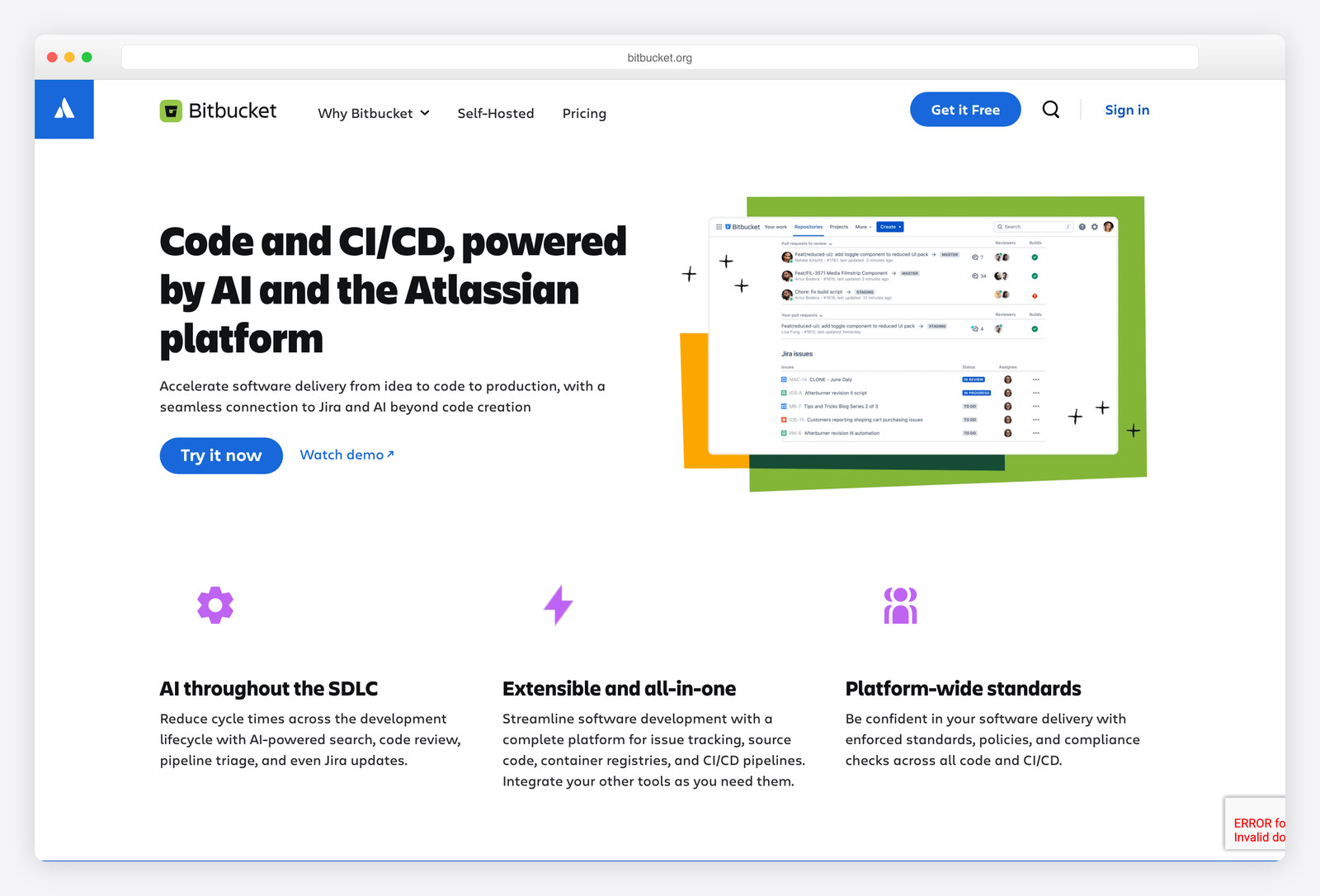
Bitbucket Cloud — Atlassian’s Git and Mercurial hosting service — was built in Python on Django from its 2008 launch, and its founder credited Django for shipping fast. (The separate self-hosted Bitbucket Data Center is a Java product — a distinction most listicles miss.)
9. Sentry
Still on Django · Dev Tools
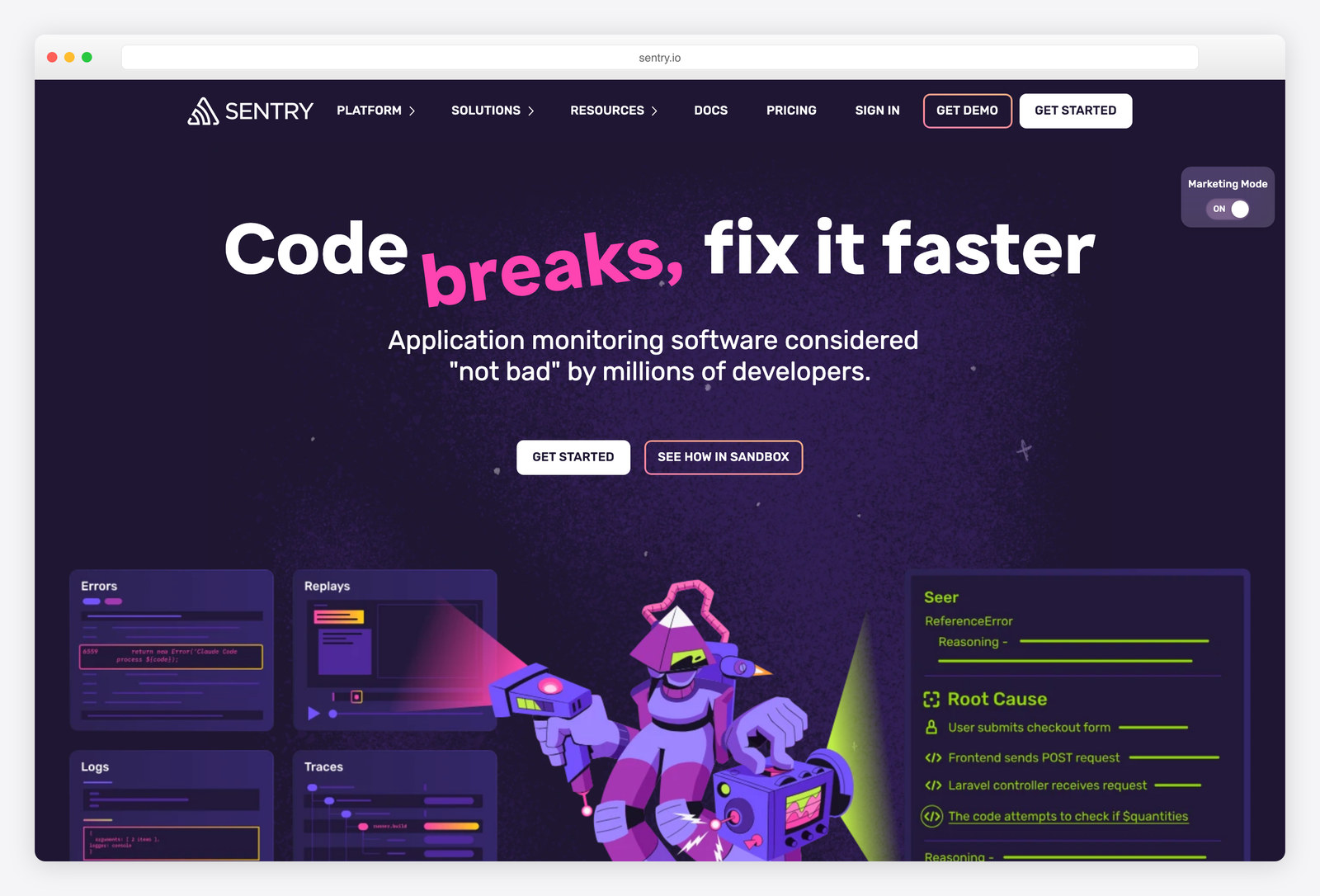
The popular error-monitoring platform is a Django application — both the open-source sentry project and the commercial getsentry service are Django, with the paid product extending the OSS app through Django signals. You can read the architecture docs and the code on GitHub.
Marketplaces & E-commerce
10. Eventbrite
Still on Django · Marketplace
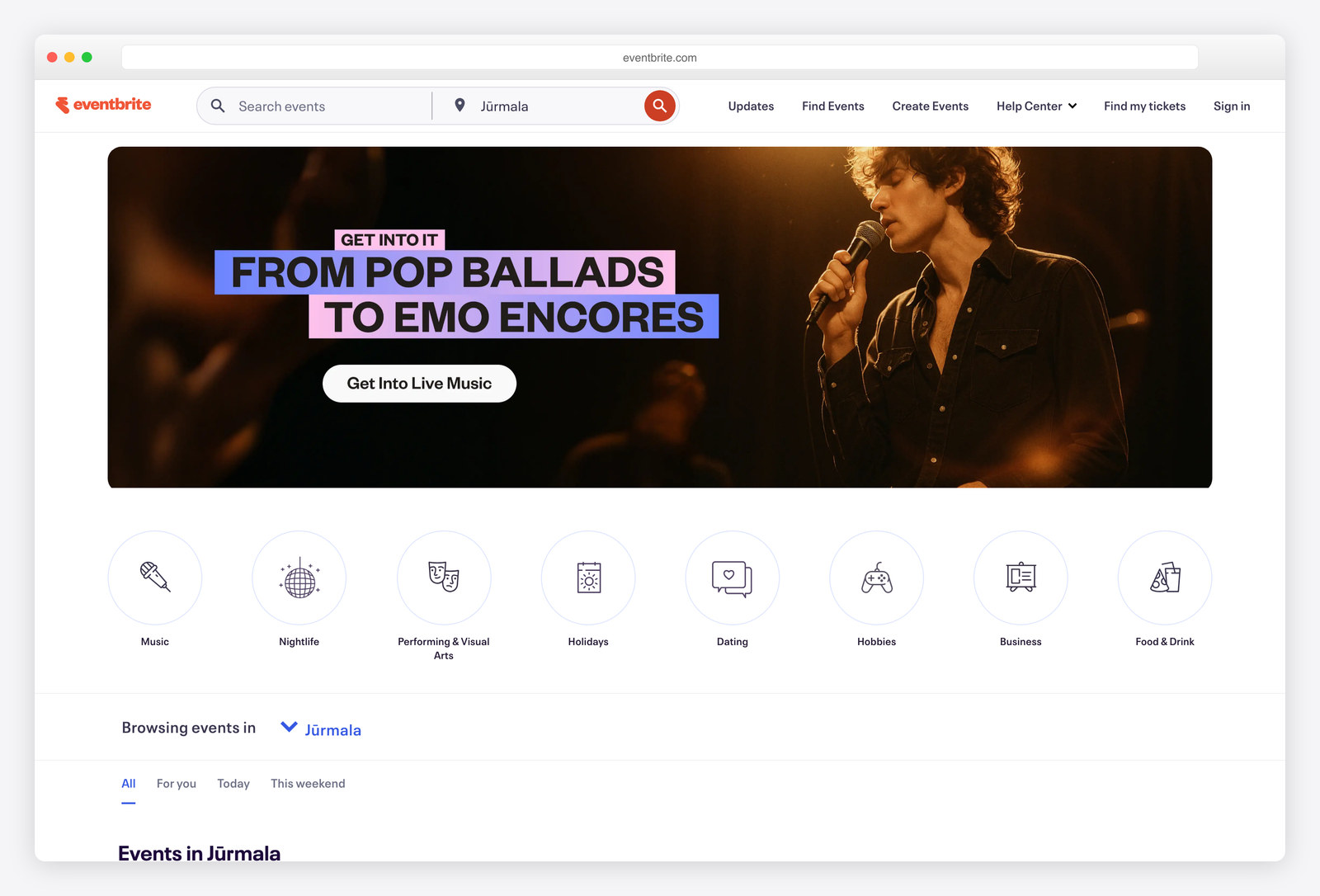
Eventbrite migrated from in-house frameworks to Django around 2010 and runs a Python/Django backend at ticketing scale; its has multiple posts on the migration and on operating Django in production.
11. DoorDash
Historical/partial · Delivery

DoorDash grew up as a Python 2 and Django monolith and still runs production Django apps — see its guide to Django at scale — though it has been re-platforming core services to Kotlin microservices as it grew.
12. Rover
Still on Django · Marketplace
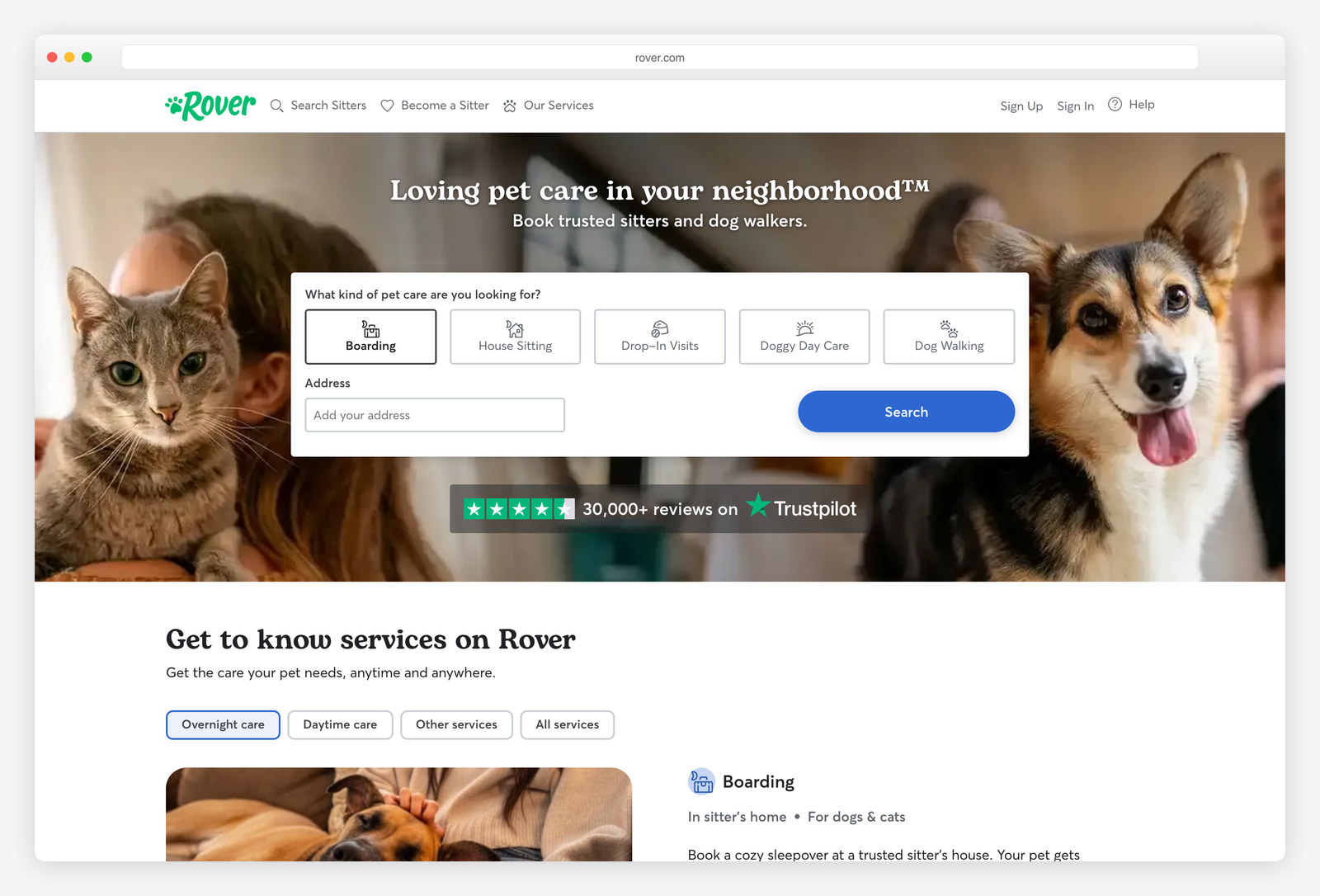
Rover, the dog-walking and pet-sitting marketplace, runs its primary web app as a single large Django application with 80+ sub-apps, and blogs in detail about its Django upgrade process.
Fintech
13. Robinhood
Django + Go · Fintech
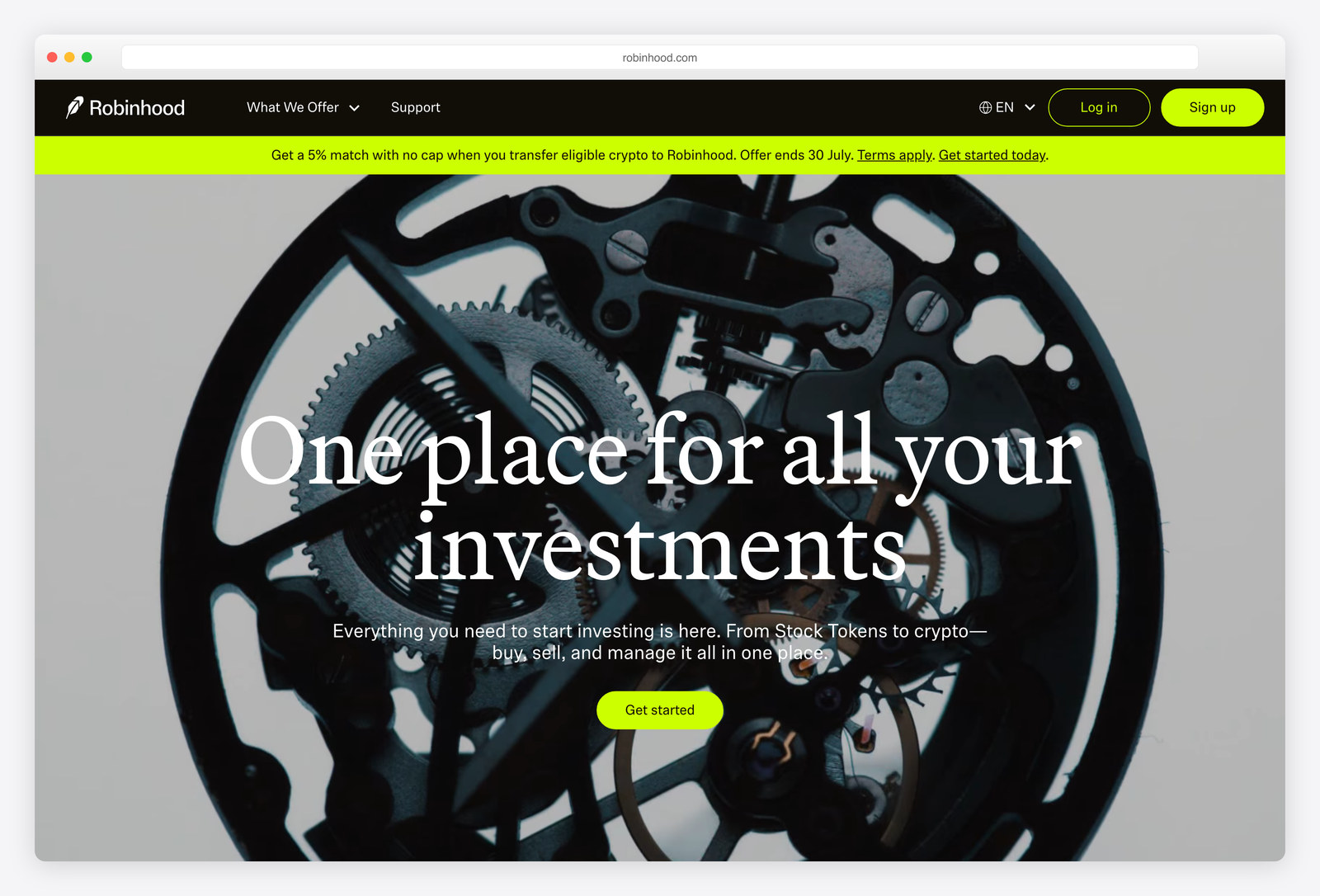
The commission-free brokerage uses Python and Django across its backend (with PostgreSQL, Kafka, and Redis), and has publicly described building its crypto trading systems on Django. Latency-critical paths have since moved to Go, but Django still carries a lot of business logic.
Automation & SaaS
14. Zapier
Still on Django · Automation
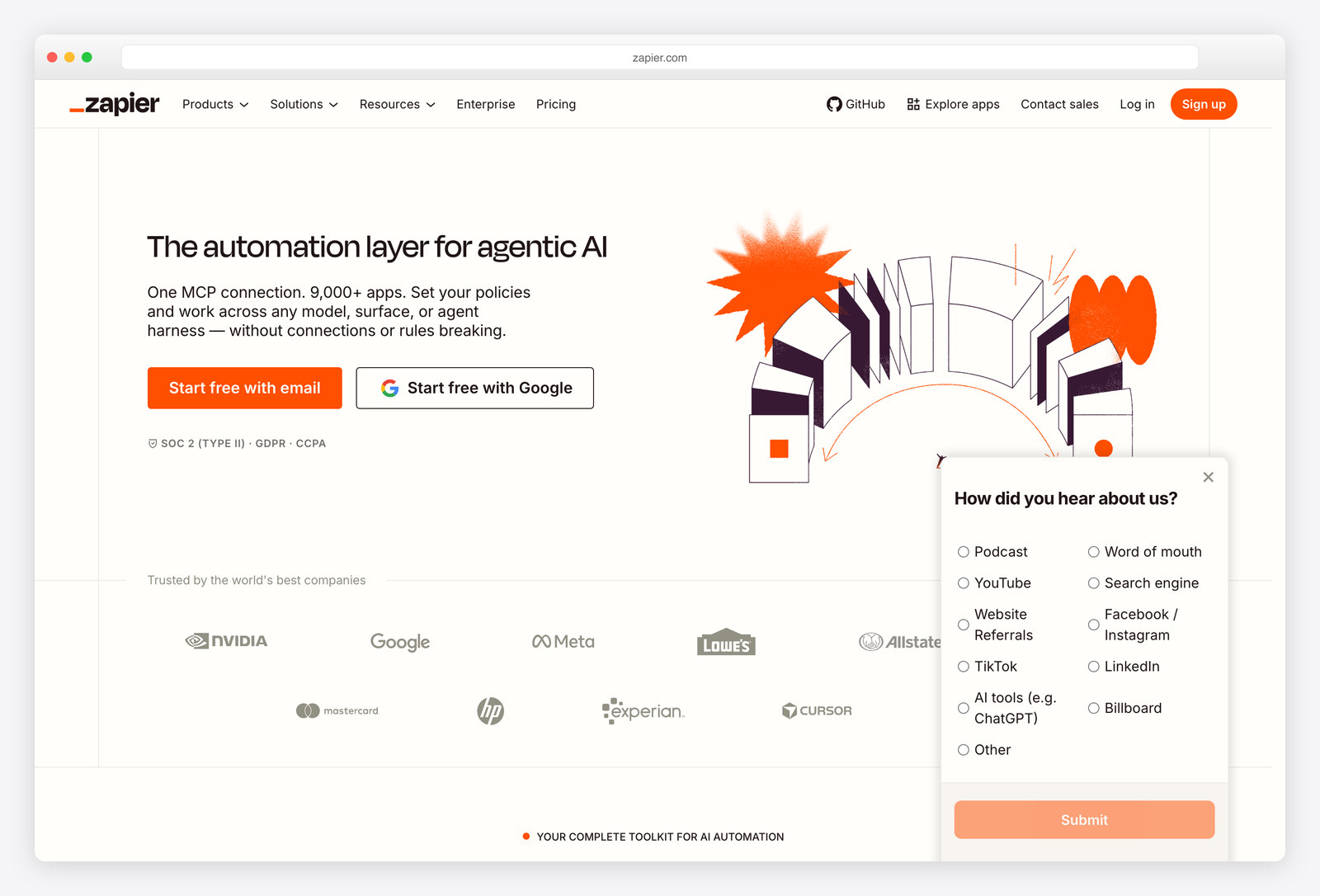
Zapier — which automates workflows between thousands of apps — states plainly in its tech-stack post that Django is “the framework of choice for the HTTP side” of its Python backend, with Celery running the async automation engine.
Travel
15. PADI Travel
Still on Django · Travel
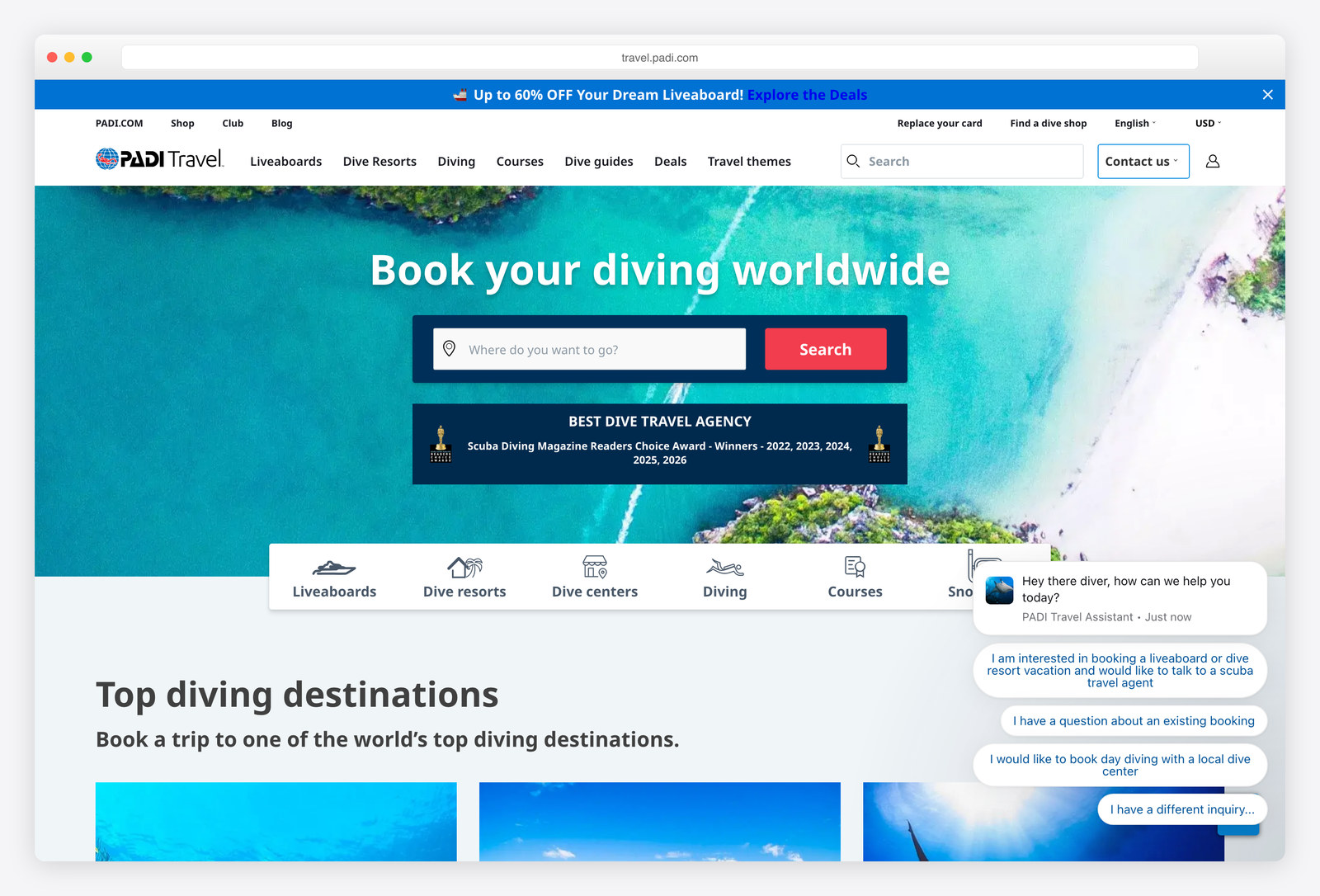
PADI Travel, the scuba-diving trip and liveaboard booking platform, is built on Python and Django (originally as Diviac, before PADI acquired it), per this case study.
Education
16. Udemy
Reported · EdTech

The online-course marketplace is widely reported to run Django on its backend after moving off PHP, paired with MySQL and Elasticsearch. (Sourced from stack aggregators rather than a first-party post, so treat it as reported rather than company-confirmed.)
Science, Government & Nonprofit
17. NASA
Wagtail (Django) · Science
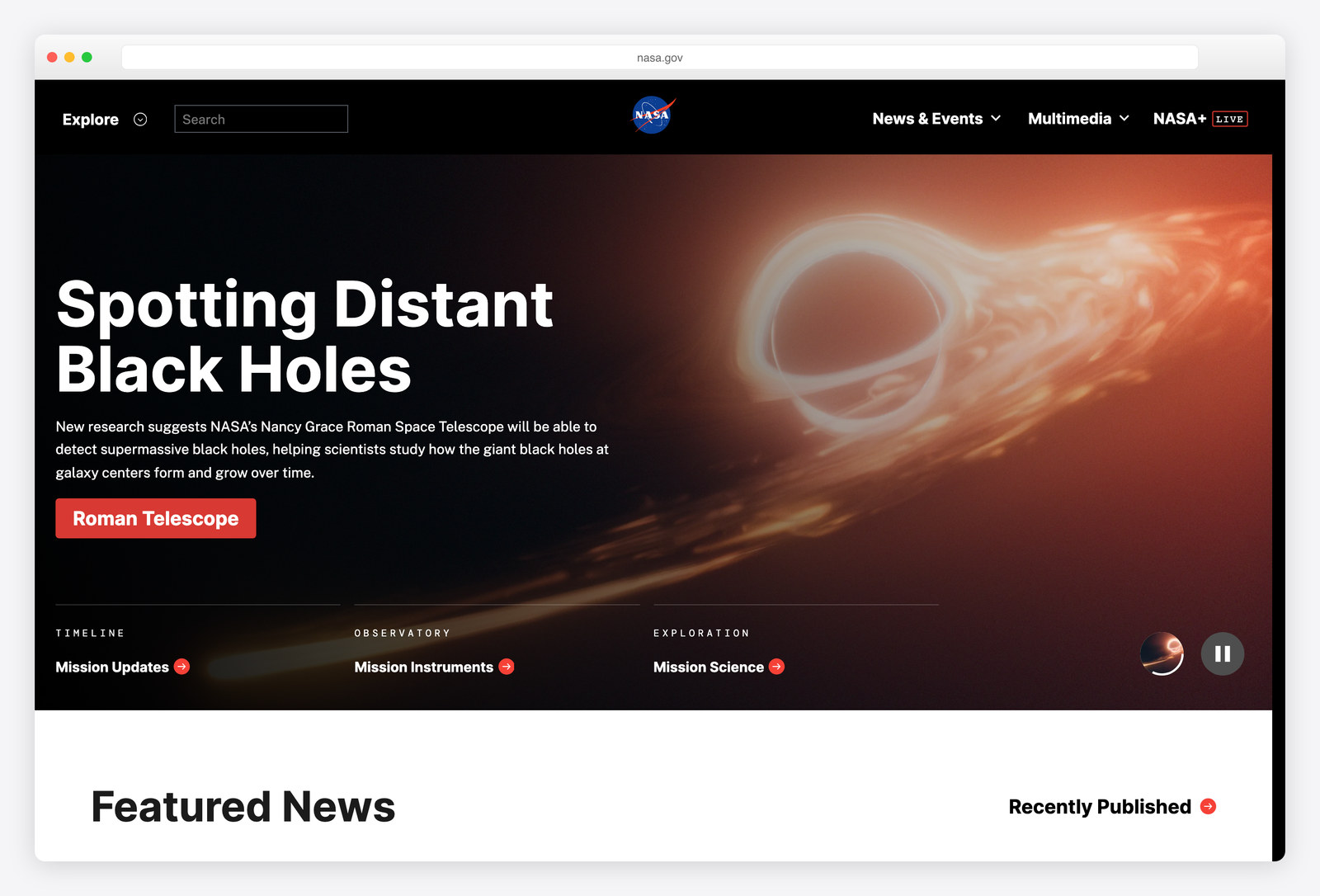
The flagship nasa.gov, rebuilt by JPL, runs on Wagtail — the Django-based CMS — putting one of the internet’s most iconic domains squarely in the Django family.
18. Mozilla
Still on Django · Nonprofit
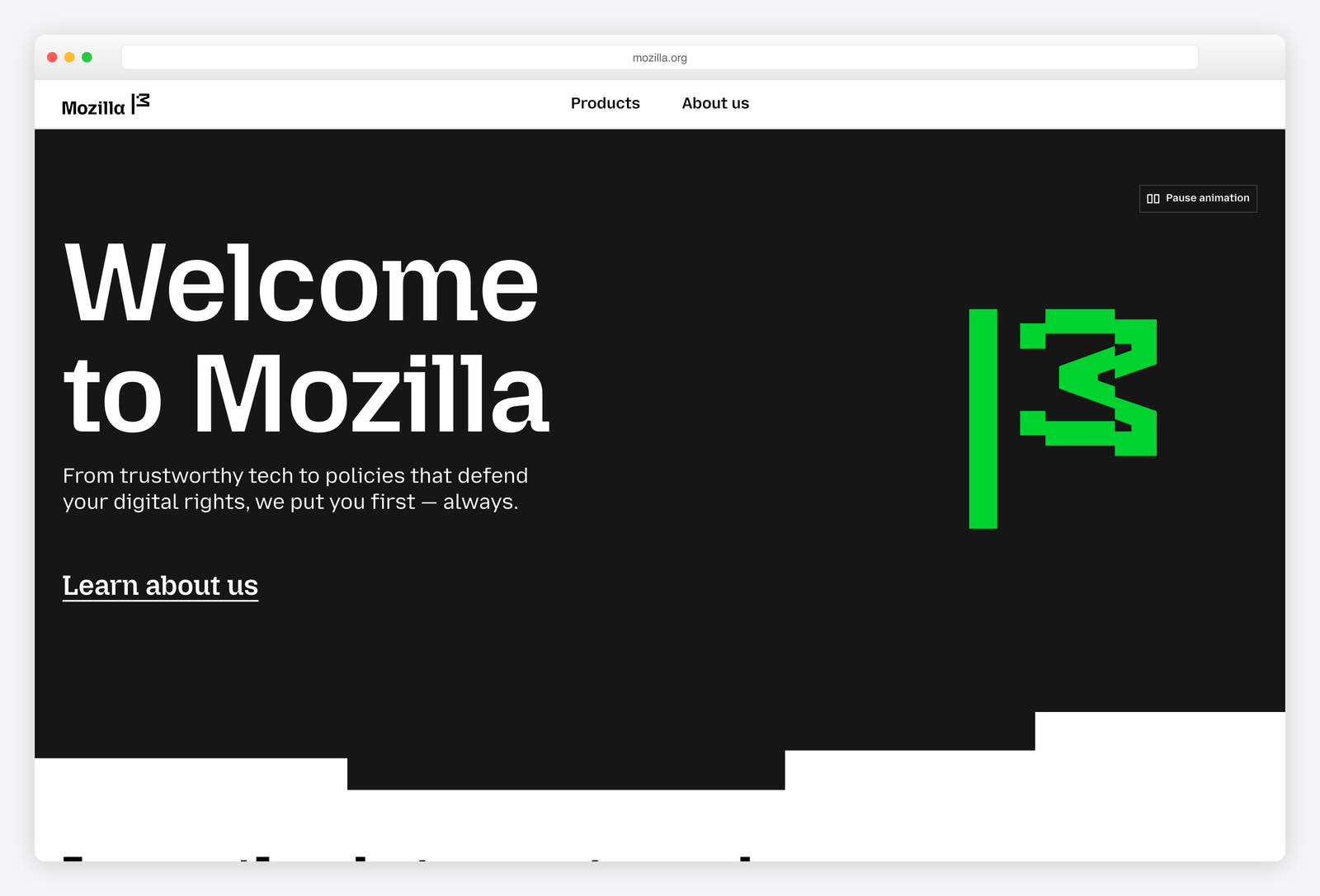
Mozilla runs multiple production Django apps in the open: support.mozilla.org (the Kitsune platform) and addons.mozilla.org (addons-server), with the Mozilla Foundation site on Wagtail. It’s some of the most inspectable large-scale Django anywhere — the repositories are public.
19. NHS (nhs.uk)
Wagtail (Django) · Government
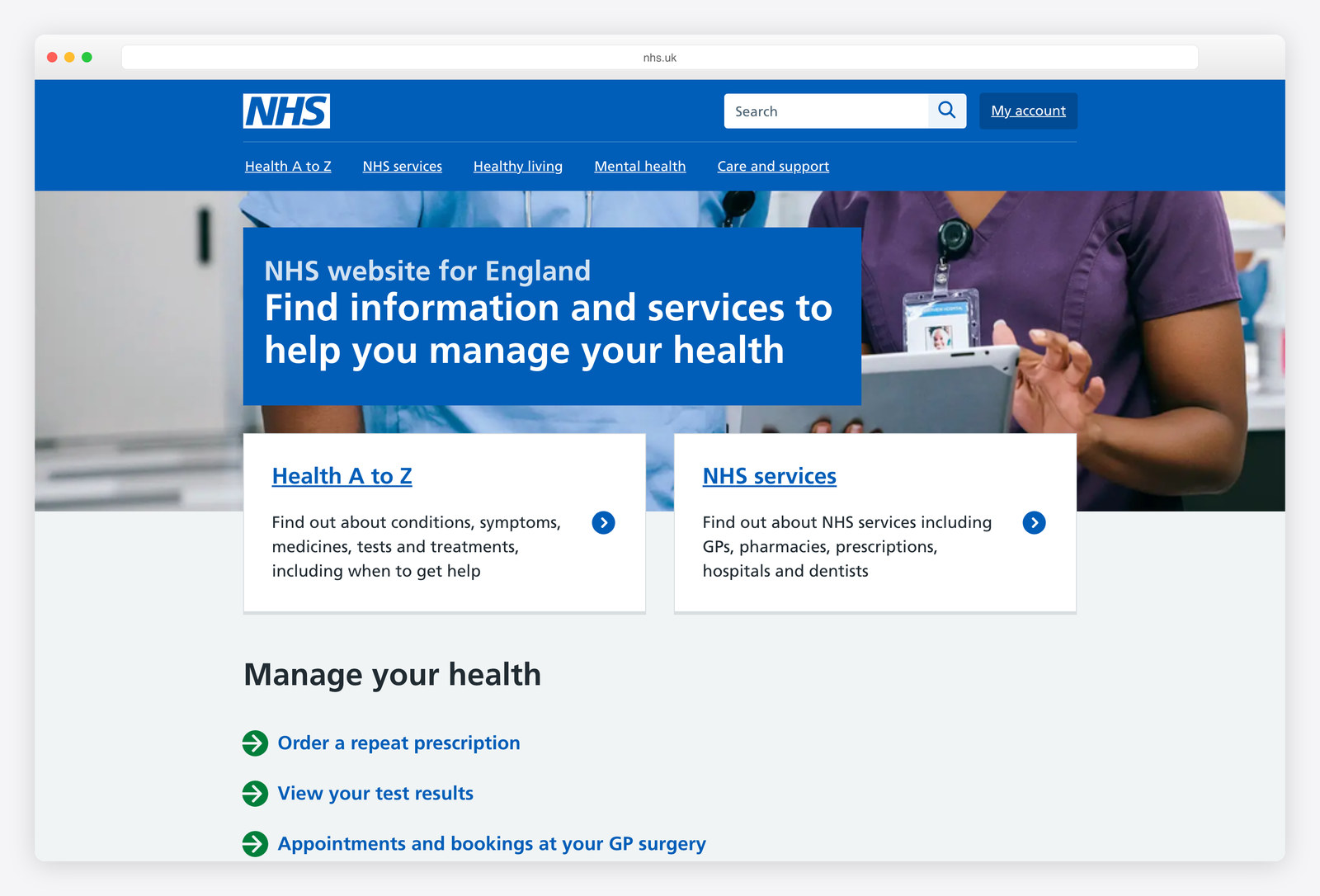
The UK’s National Health Service chose Wagtail (Django CMS) to power nhs.uk, which serves 50+ million visits a month — a landmark public-sector Django deployment.
20. Google’s Blog (The Keyword)
Wagtail (Django) · Corporate

Even Google runs Django in places: its official blog, The Keyword at blog.google, is built on Wagtail, the Django-based CMS.
Famous Sites That Are Not Built With Django (Common Myths)
These names get miscredited in almost every “built with Django” roundup. For the record:
- Spotify — heavily Python, but its backend uses async frameworks (Twisted, then gevent), not Django. Its own engineers noted only “a Django app or two.”
- Reddit — never Django. It went from Common Lisp to web.py to Pylons.
- YouTube — Python, yes; Django, no. It predates Django’s traction and never adopted it as its framework.
- Uber — uses Flask (among many languages) for its Python services, not Django.
- Dropbox — a famous Python company, but its web stack historically used Pyramid and in-house frameworks, not Django.
A related trap: the django-twilio package is a client library for calling Twilio from a Django app — it is not evidence that Twilio itself runs on Django (it doesn’t).
Build Your Own Django Site
The takeaway: Django is a serious, battle-tested choice trusted by social networks, marketplaces, fintechs, publishers and governments alike — not a toy framework. If these examples have you inspired, you don’t have to start from a blank page. Browse our roundups of the best Django website templates for front-end themes and full-stack starters, or the best Django admin dashboard templates to modernise your admin — including the free, official AdminLTE for Django.
Frequently Asked Questions
Is Instagram built with Django?
Yes. Instagram runs one of the world’s largest Django backends and remains a heavy contributor to Django and Python performance work. It is the go-to proof that Django scales to hundreds of millions of users.
What big companies use Django?
Confirmed Django users include Instagram, Disqus, Sentry, Bitbucket, Eventbrite, Zapier, Mozilla, Robinhood, Nextdoor and Rover, plus major Wagtail (Django CMS) deployments such as NASA, the UK’s NHS and Google’s blog.
Is Django still used in 2026?
Very much so. Django is among the most popular Python web frameworks, backs high-traffic products like Instagram and Zapier, and is actively developed — Django’s latest major version shipped in 2026 with async and performance improvements.
Why do so many companies choose Django?
Django is “batteries-included” — it ships an ORM, authentication, an admin, migrations and secure defaults — so teams build fast. It has proven scalability (Instagram, Disqus) and rides Python’s huge data and machine-learning ecosystem, which lets products grow without switching frameworks.
Which famous sites are NOT built with Django?
Despite frequent claims, Spotify, Reddit, YouTube, Uber and Dropbox do not run on Django. Spotify uses other Python frameworks, Reddit runs on Pylons, YouTube predates Django, Uber uses Flask for its Python services, and Dropbox historically used Pyramid and in-house tools.

You Might Also Like


